
Distributed by University Press of Florida on behalf of the Brian Canin Urban Design Award
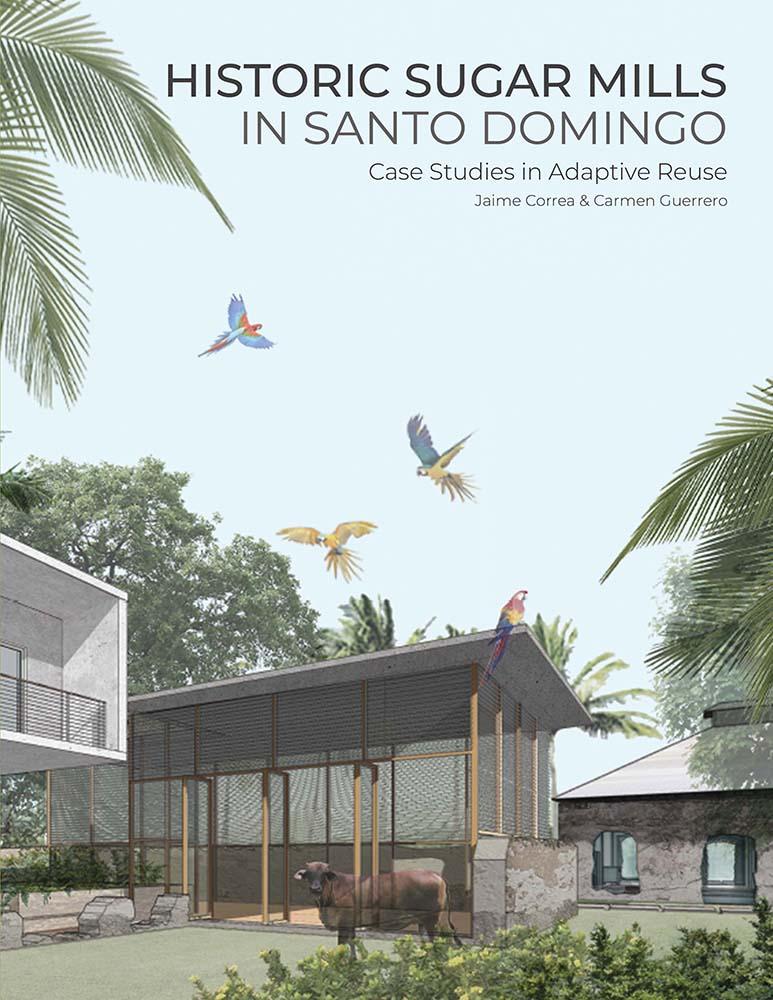
Colonial sugar mills, ingenios coloniales, are essential to the material history of the Dominican Republic. They served as a cornerstone of the national economy and as a foundation for the stability required during the colonial era. From the 1500s to the end of the 1800s, sugar mills and sugar factories were founded and sustained in what is now known as “La Ruta del Azucar,” or the Sugar Road. Colonial sugar mills not only represent a significant period in the country’s history, but they also hold significant cultural and architectural value.
In this volume, students at the School of Architecture of the University of Miami explore what is left of some of the most important ingenios coloniales in the Dominican Republic and, through an innovative approach of adaptive reuse, propose alternatives to celebrate their architectural value and cultural influences while also exploring the socio-economic and racial disparities and the political ideologies that are part of the history of these sites. The students approached the project with a spirit of innovation and the desire to document histories and possibilities for future generations in the Dominican Republic and to leave behind a legacy for new students to do similar work in urban and rural environments.
Maksa helposti kortilla, Klarnalla, Apple Paylla tai Google Paylla. Etkö ole tyytyväinen? Sinulla on aina 14 päivän palautusoikeus. Lue lisää ehdoistamme. Jos sinulla on kysyttävää, lähetä meille sähköpostia osoitteeseen hello@memmo.org.
Memmo tekee opiskelusta helpompaa – missä päin maailmaa ikinä oletkin. Meillä yhdistät kurssikirjat ja fiksut opiskelutyökalut yhteen paikkaan: tiivistelmät, visat, podcastit ja muistikortit. Ja sitten Ted, opiskelukaverisi, joka vastaa kaikkeen, mitä ikinä mietitkin. Yli 50 000 opiskelijaa opiskelee jo täällä – rakennettu auttamaan sinua oppimaan nopeammin ja stressaamaan vähemmän.