
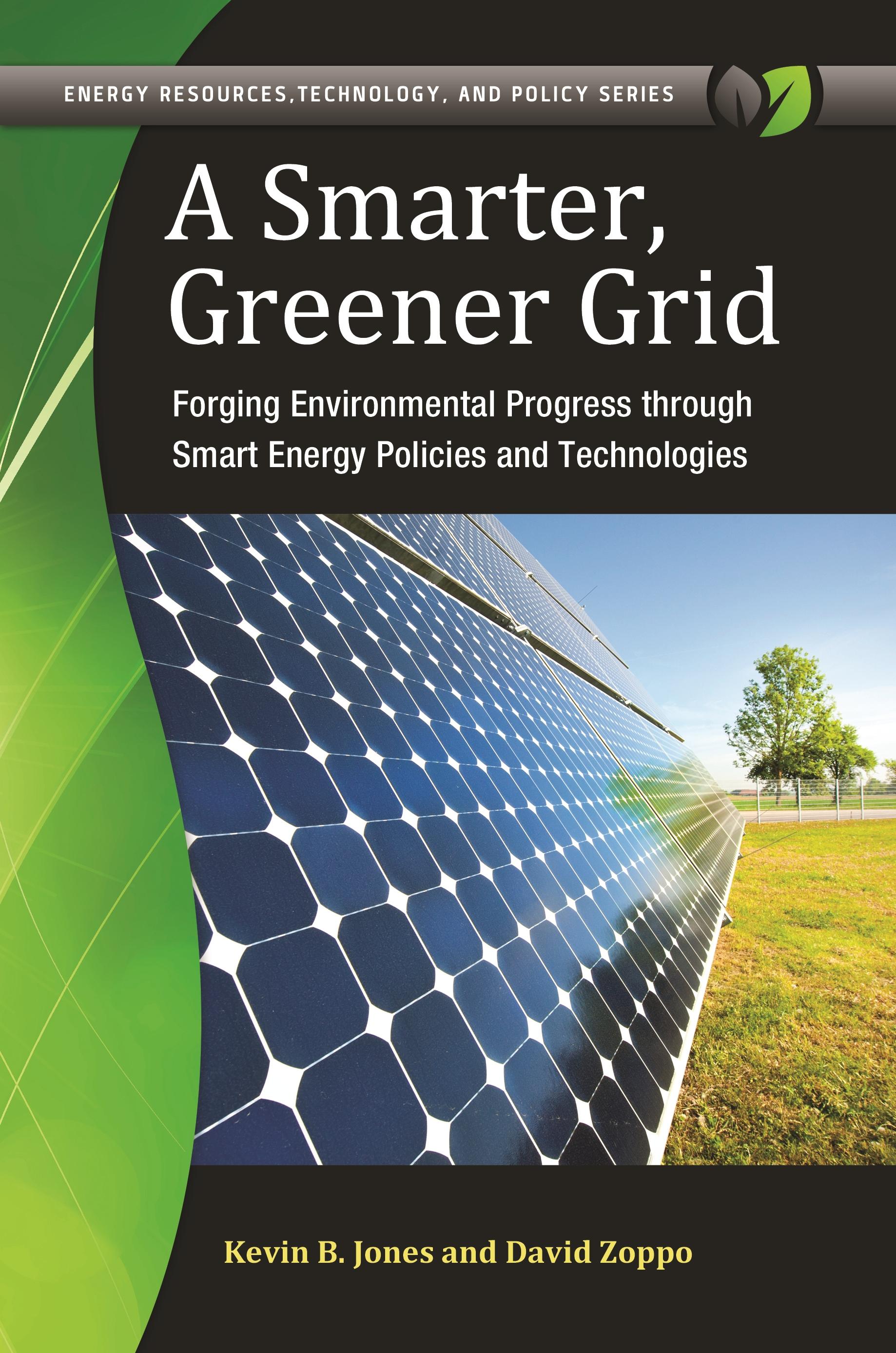
The pressing need for a smarter and greener grid is obvious, but how this goal should be achieved is much less clear. This book clearly defines the environmental promise of the smart grid and describes the policies necessary for fully achieving the environmental benefits of the digital energy revolution.
The United States' electrical grid is an antique. It was built to serve a 20th-century economy and designed in an era when the negative environmental impacts of electricity production were poorly understood. It must be upgraded and modernized. The proposed solution is a "smart grid"—a network of new digital technologies, equipment, and controls that can respond quickly to the public's changing energy needs by facilitating two-way communication between the utility and consumers. This book explains the environmental benefit of a smart grid, examines case studies of existing smart grids, and identifies the legal and regulatory policy hurdles that must be overcome to fully realize the smart grid's benefits.
Based on six diverse organizations' experience as "early adopters" in the digital energy revolution, the authors explore how a smart electric grid offers real promise for supercharging energy efficiency, democratizing demand response, electrifying transportation, preparing for ubiquitous distributed clean energy technologies, and automating the distribution system. Against the backdrop of climate change and continuing economic uncertainty, setting a path for environmental improvement and upgrading our electric grid with new digital technologies and associated smart policies is more critical than ever before.
The United States' electrical grid is an antique. It was built to serve a 20th-century economy and designed in an era when the negative environmental impacts of electricity production were poorly understood. It must be upgraded and modernized. The proposed solution is a "smart grid"—a network of new digital technologies, equipment, and controls that can respond quickly to the public's changing energy needs by facilitating two-way communication between the utility and consumers. This book explains the environmental benefit of a smart grid, examines case studies of existing smart grids, and identifies the legal and regulatory policy hurdles that must be overcome to fully realize the smart grid's benefits.
Based on six diverse organizations' experience as "early adopters" in the digital energy revolution, the authors explore how a smart electric grid offers real promise for supercharging energy efficiency, democratizing demand response, electrifying transportation, preparing for ubiquitous distributed clean energy technologies, and automating the distribution system. Against the backdrop of climate change and continuing economic uncertainty, setting a path for environmental improvement and upgrading our electric grid with new digital technologies and associated smart policies is more critical than ever before.
Maksa helposti kortilla, Klarnalla, Apple Paylla tai Google Paylla. Etkö ole tyytyväinen? Sinulla on aina 14 päivän palautusoikeus. Lue lisää ehdoistamme. Jos sinulla on kysyttävää, lähetä meille sähköpostia osoitteeseen hello@memmo.org.
Memmo tekee opiskelusta helpompaa – missä päin maailmaa ikinä oletkin. Meillä yhdistät kurssikirjat ja fiksut opiskelutyökalut yhteen paikkaan: tiivistelmät, visat, podcastit ja muistikortit. Ja sitten Ted, opiskelukaverisi, joka vastaa kaikkeen, mitä ikinä mietitkin. Yli 50 000 opiskelijaa opiskelee jo täällä – rakennettu auttamaan sinua oppimaan nopeammin ja stressaamaan vähemmän.