
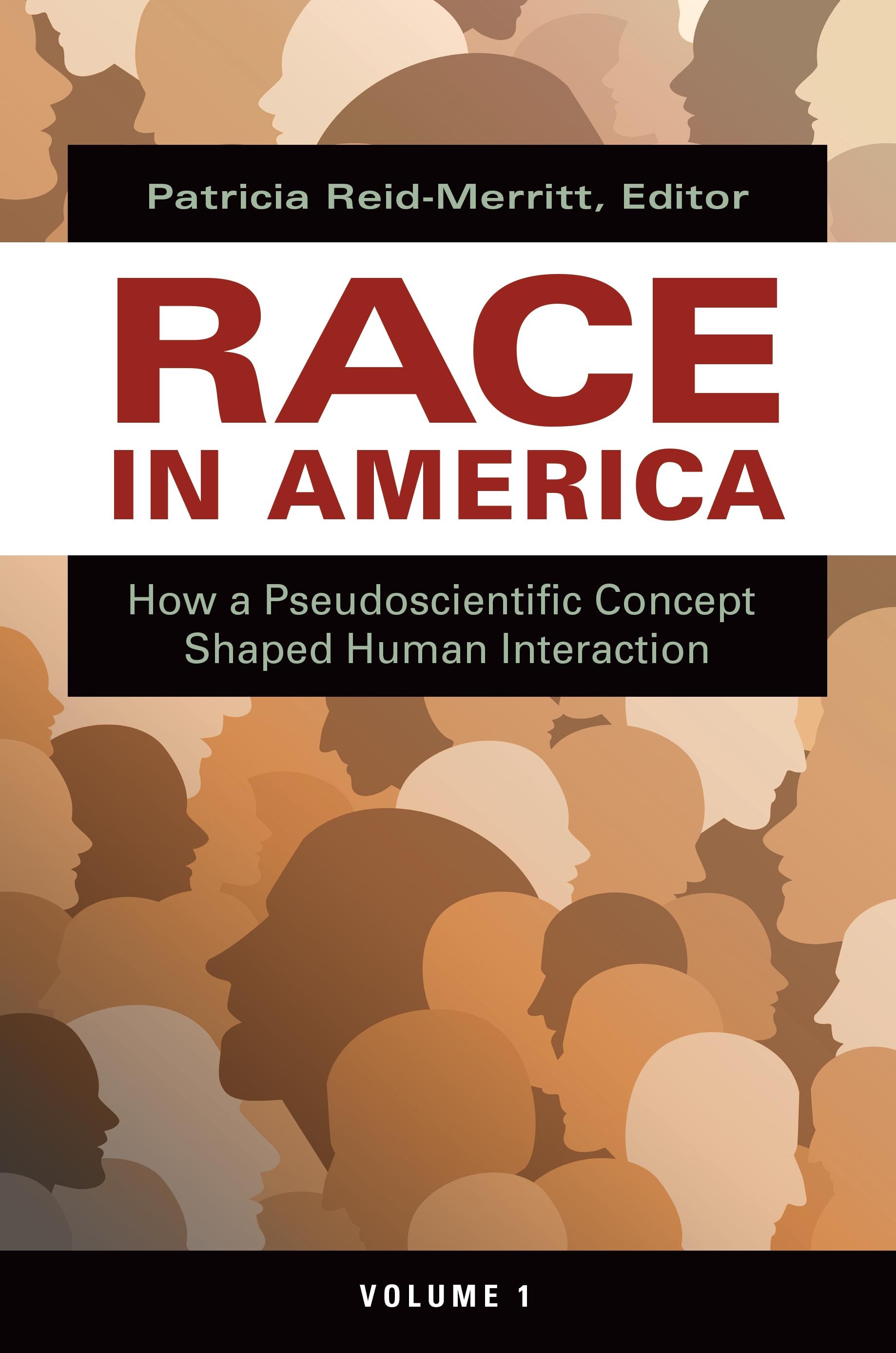
Focusing on the socially explosive concept of race and how it has affected human interactions, this work examines the social and scientific definitions of race, the implementation of racialized policies and practices, the historical and contemporary manifestations of the use of race in shaping social interactions within U.S. society and elsewhere, and where our notions of race will likely lead.
More than a decade and a half into the 21st century, the term "race" remains one of the most emotionally charged words in the human language. While race can be defined as "a local geographic or global human population distinguished as a more or less distinct group by genetically transmitted physical characteristics," the concept of race can better be understood as a socially defined construct—a system of human classification that carries tremendous weight, yet is complex, confusing, contradictory, controversial, and imprecise.
This collection of essays focuses on the socially explosive concept of race and how it has shaped human interactions across civilization. The contributed work examines the social and scientific definitions of race, the implementation of racialized policies and practices, and the historical and contemporary manifestations of the use of race in shaping social interactions (primarily) in the United States—a nation where the concept of race is further convoluted by the nation's extensive history of miscegenation as well as the continuous flow of immigrant groups from countries whose definitions of race, ethnicity, and culture remain fluid. Readers will gain insights into subjects such as how we as individuals define ourselves through concepts of race, how race affects social privilege, "color blindness" as an obstacle to social change, legal perspectives on race, racialization of the religious experience, and how the media perpetuates racial stereotypes.
More than a decade and a half into the 21st century, the term "race" remains one of the most emotionally charged words in the human language. While race can be defined as "a local geographic or global human population distinguished as a more or less distinct group by genetically transmitted physical characteristics," the concept of race can better be understood as a socially defined construct—a system of human classification that carries tremendous weight, yet is complex, confusing, contradictory, controversial, and imprecise.
This collection of essays focuses on the socially explosive concept of race and how it has shaped human interactions across civilization. The contributed work examines the social and scientific definitions of race, the implementation of racialized policies and practices, and the historical and contemporary manifestations of the use of race in shaping social interactions (primarily) in the United States—a nation where the concept of race is further convoluted by the nation's extensive history of miscegenation as well as the continuous flow of immigrant groups from countries whose definitions of race, ethnicity, and culture remain fluid. Readers will gain insights into subjects such as how we as individuals define ourselves through concepts of race, how race affects social privilege, "color blindness" as an obstacle to social change, legal perspectives on race, racialization of the religious experience, and how the media perpetuates racial stereotypes.
Maksa helposti kortilla, Klarnalla, Apple Paylla tai Google Paylla. Etkö ole tyytyväinen? Sinulla on aina 14 päivän palautusoikeus. Lue lisää ehdoistamme. Jos sinulla on kysyttävää, lähetä meille sähköpostia osoitteeseen hello@memmo.org.
Memmo tekee opiskelusta helpompaa – missä päin maailmaa ikinä oletkin. Meillä yhdistät kurssikirjat ja fiksut opiskelutyökalut yhteen paikkaan: tiivistelmät, visat, podcastit ja muistikortit. Ja sitten Ted, opiskelukaverisi, joka vastaa kaikkeen, mitä ikinä mietitkin. Yli 50 000 opiskelijaa opiskelee jo täällä – rakennettu auttamaan sinua oppimaan nopeammin ja stressaamaan vähemmän.