
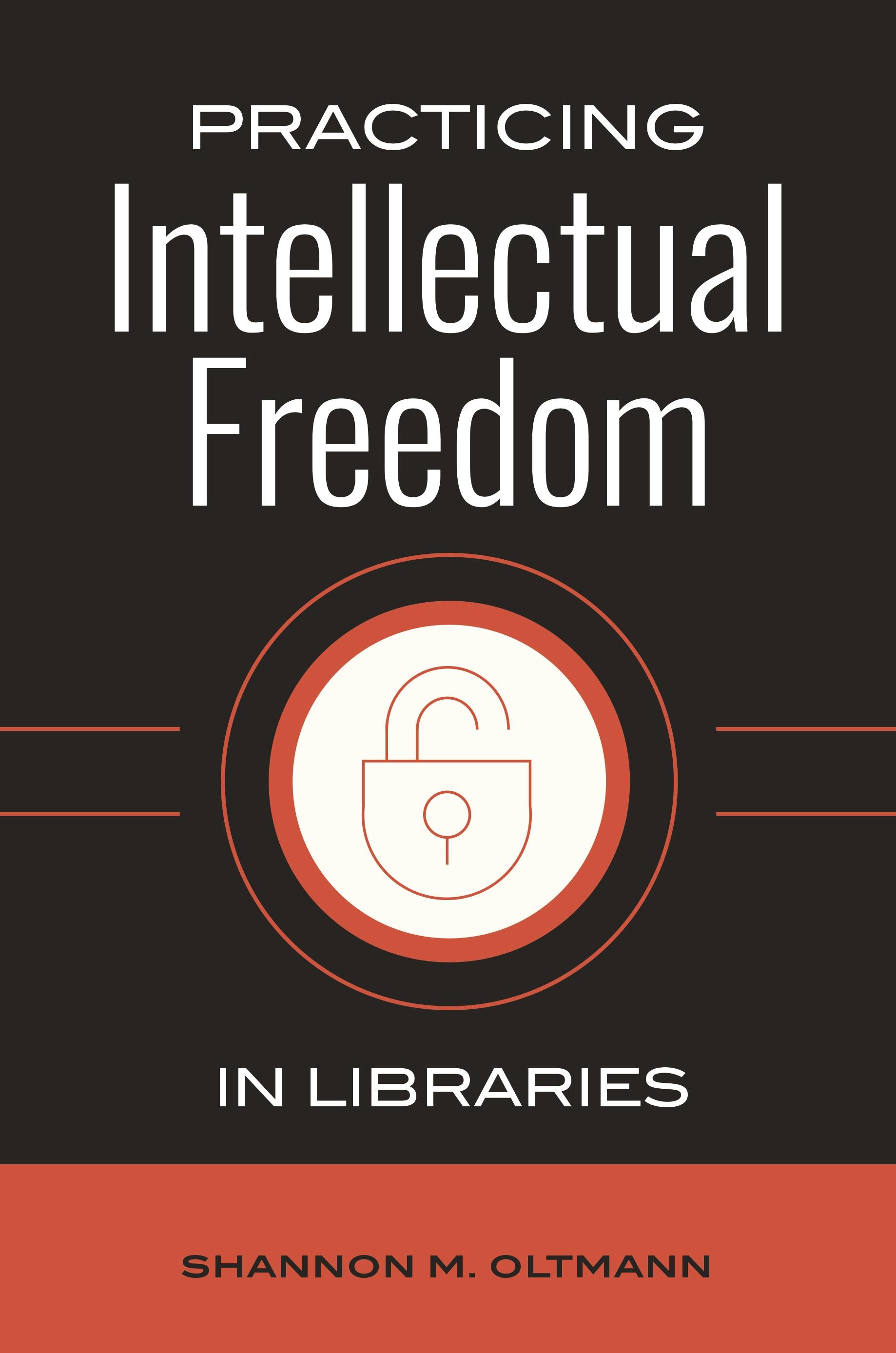
All librarians and library and information science scholars can benefit from learning more about intellectual freedom. This book relies on research and practical real-world scenarios to conceptualize and contextualize it.
Practicing Intellectual Freedom in Libraries is helpful for a wide range of people, from those only starting to learn about intellectual freedom to those more well-versed in the subject. For novices, it offers a solid introduction to intellectual freedom, grounded theoretically and empirically; for more experienced scholars and librarians, it provides a uniquely comprehensive analysis of intellectual freedom.
Intellectual freedom is important for librarians because it is a foundation of the profession and is truly central to librarianship in the United States. Situating intellectual freedom within freedom of speech theories, this book explains the legal and theoretical foundations for contemporary understandings of intellectual freedom within library science. Additionally, it depicts the importance of community to implementing intellectual freedom and exemplifies this importance in a discussion of actual library practices. Real-world scenarios provide a timely look at intellectual freedom in context, discussing Internet filtering, collection development and weeding, meeting rooms and exhibit spaces, programming, and fake news and misinformation.
Practicing Intellectual Freedom in Libraries is helpful for a wide range of people, from those only starting to learn about intellectual freedom to those more well-versed in the subject. For novices, it offers a solid introduction to intellectual freedom, grounded theoretically and empirically; for more experienced scholars and librarians, it provides a uniquely comprehensive analysis of intellectual freedom.
Intellectual freedom is important for librarians because it is a foundation of the profession and is truly central to librarianship in the United States. Situating intellectual freedom within freedom of speech theories, this book explains the legal and theoretical foundations for contemporary understandings of intellectual freedom within library science. Additionally, it depicts the importance of community to implementing intellectual freedom and exemplifies this importance in a discussion of actual library practices. Real-world scenarios provide a timely look at intellectual freedom in context, discussing Internet filtering, collection development and weeding, meeting rooms and exhibit spaces, programming, and fake news and misinformation.
Maksa helposti kortilla, Klarnalla, Apple Paylla tai Google Paylla. Etkö ole tyytyväinen? Sinulla on aina 14 päivän palautusoikeus. Lue lisää ehdoistamme. Jos sinulla on kysyttävää, lähetä meille sähköpostia osoitteeseen hello@memmo.org.
Memmo tekee opiskelusta helpompaa – missä päin maailmaa ikinä oletkin. Meillä yhdistät kurssikirjat ja fiksut opiskelutyökalut yhteen paikkaan: tiivistelmät, visat, podcastit ja muistikortit. Ja sitten Ted, opiskelukaverisi, joka vastaa kaikkeen, mitä ikinä mietitkin. Yli 50 000 opiskelijaa opiskelee jo täällä – rakennettu auttamaan sinua oppimaan nopeammin ja stressaamaan vähemmän.