
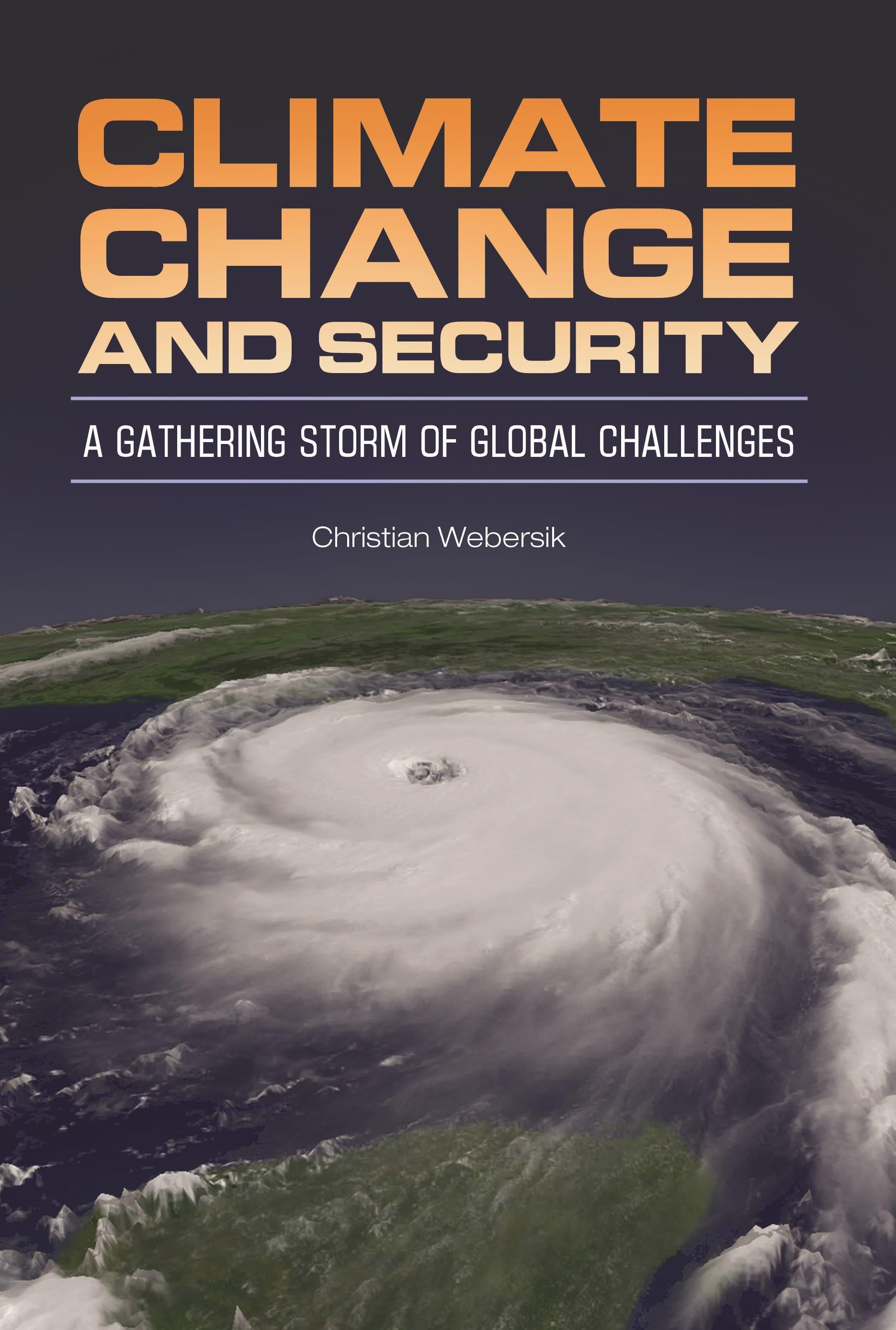
Human-induced climate change is causing resource scarcities, natural disasters, and mass migrations, which in turn destabilize national, international, and human security structures and multiply the human inputs to climate change.
Alarms about the expanding role of climate change as a force multiplier of existing threats to national, international, and human security structures studies are being raised at all levels of governance and intelligence—national (including the U.S. Senate, the Director of National Intelligence, the Central Intelligence Agency, and the Pentagon), transnational (including the European Union and the United Nations), and private (such as the Central News Agency and the American Security Project). Climate Change and Security: A Gathering Storm of Global Challenges focuses on the three major feedback effects of human-induced climate change on human and international security—resource scarcity, natural disasters, and sea-level rise.
Decreasing per capita availability of renewable resources due to such regional effects of climate change as drought and desertification leads to intensified competition for these resources and may result in armed violence—especially when compounded by conditions of rapid population growth, tribalism, and sectarianism, as in Darfur and Somalia. The increase in the frequency and intensity of meteorological disasters associated with global warming weakens already debilitated tropical societies and makes them still more vulnerable to political instability, as in Haiti. Sea-level rise will lead to disruptive mass migrations of climate refugees as dense littoral populations are forced to abandon low-lying coastal regions, as in Bangladesh.
Alarms about the expanding role of climate change as a force multiplier of existing threats to national, international, and human security structures studies are being raised at all levels of governance and intelligence—national (including the U.S. Senate, the Director of National Intelligence, the Central Intelligence Agency, and the Pentagon), transnational (including the European Union and the United Nations), and private (such as the Central News Agency and the American Security Project). Climate Change and Security: A Gathering Storm of Global Challenges focuses on the three major feedback effects of human-induced climate change on human and international security—resource scarcity, natural disasters, and sea-level rise.
Decreasing per capita availability of renewable resources due to such regional effects of climate change as drought and desertification leads to intensified competition for these resources and may result in armed violence—especially when compounded by conditions of rapid population growth, tribalism, and sectarianism, as in Darfur and Somalia. The increase in the frequency and intensity of meteorological disasters associated with global warming weakens already debilitated tropical societies and makes them still more vulnerable to political instability, as in Haiti. Sea-level rise will lead to disruptive mass migrations of climate refugees as dense littoral populations are forced to abandon low-lying coastal regions, as in Bangladesh.
Maksa helposti kortilla, Klarnalla, Apple Paylla tai Google Paylla. Etkö ole tyytyväinen? Sinulla on aina 14 päivän palautusoikeus. Lue lisää ehdoistamme. Jos sinulla on kysyttävää, lähetä meille sähköpostia osoitteeseen hello@memmo.org.
Memmo tekee opiskelusta helpompaa – missä päin maailmaa ikinä oletkin. Meillä yhdistät kurssikirjat ja fiksut opiskelutyökalut yhteen paikkaan: tiivistelmät, visat, podcastit ja muistikortit. Ja sitten Ted, opiskelukaverisi, joka vastaa kaikkeen, mitä ikinä mietitkin. Yli 50 000 opiskelijaa opiskelee jo täällä – rakennettu auttamaan sinua oppimaan nopeammin ja stressaamaan vähemmän.