
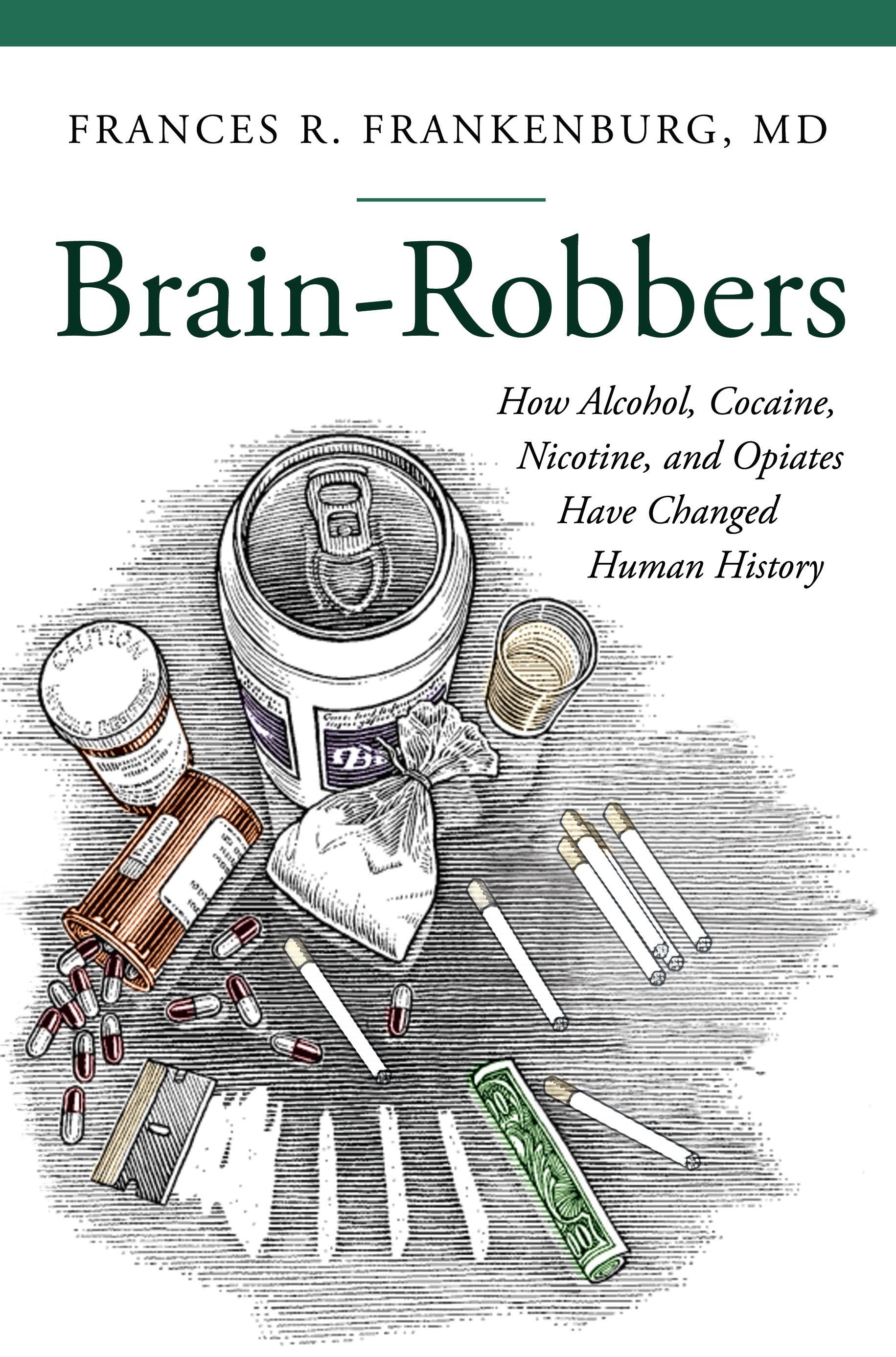
A psychiatrist examines how the world's four most important mind-altering substances— alcohol, cocaine, nicotine, and opiates—have played a significant role throughout human history, and explains how these powerful drugs affect the brain and cause addiction.
Alcohol, cocaine, nicotine, and opiates have spurred some of the greatest human pleasure and pain across time. Providing information that ranges as widely as from ancient Egypt to modern times, this book comprehensively addresses the good, the bad, and the very ugliest aspects of these substances, examining their history, their effects on the brain and body, and on civilization itself. Frances R. Frankenburg, MD, employs accessible, everyday language to explain the neurology of addiction and describe how these "brain-robbing" substances work to hijack the brain's pleasure systems to create powerful addictions. The author also provides perspective into the intertwined, inescapable, and often uneasy relationship between these substances and human culture, economics, and politics—for example, how individuals become physically or psychologically addicted to alcohol, cocaine, nicotine, and opiates, while governments become financially "addicted" to the revenue, such as taxes, that can be collected from the sale and use of these substances.
Alcohol, cocaine, nicotine, and opiates have spurred some of the greatest human pleasure and pain across time. Providing information that ranges as widely as from ancient Egypt to modern times, this book comprehensively addresses the good, the bad, and the very ugliest aspects of these substances, examining their history, their effects on the brain and body, and on civilization itself. Frances R. Frankenburg, MD, employs accessible, everyday language to explain the neurology of addiction and describe how these "brain-robbing" substances work to hijack the brain's pleasure systems to create powerful addictions. The author also provides perspective into the intertwined, inescapable, and often uneasy relationship between these substances and human culture, economics, and politics—for example, how individuals become physically or psychologically addicted to alcohol, cocaine, nicotine, and opiates, while governments become financially "addicted" to the revenue, such as taxes, that can be collected from the sale and use of these substances.
Maksa helposti kortilla, Klarnalla, Apple Paylla tai Google Paylla. Etkö ole tyytyväinen? Sinulla on aina 14 päivän palautusoikeus. Lue lisää ehdoistamme. Jos sinulla on kysyttävää, lähetä meille sähköpostia osoitteeseen hello@memmo.org.
Memmo tekee opiskelusta helpompaa – missä päin maailmaa ikinä oletkin. Meillä yhdistät kurssikirjat ja fiksut opiskelutyökalut yhteen paikkaan: tiivistelmät, visat, podcastit ja muistikortit. Ja sitten Ted, opiskelukaverisi, joka vastaa kaikkeen, mitä ikinä mietitkin. Yli 50 000 opiskelijaa opiskelee jo täällä – rakennettu auttamaan sinua oppimaan nopeammin ja stressaamaan vähemmän.