
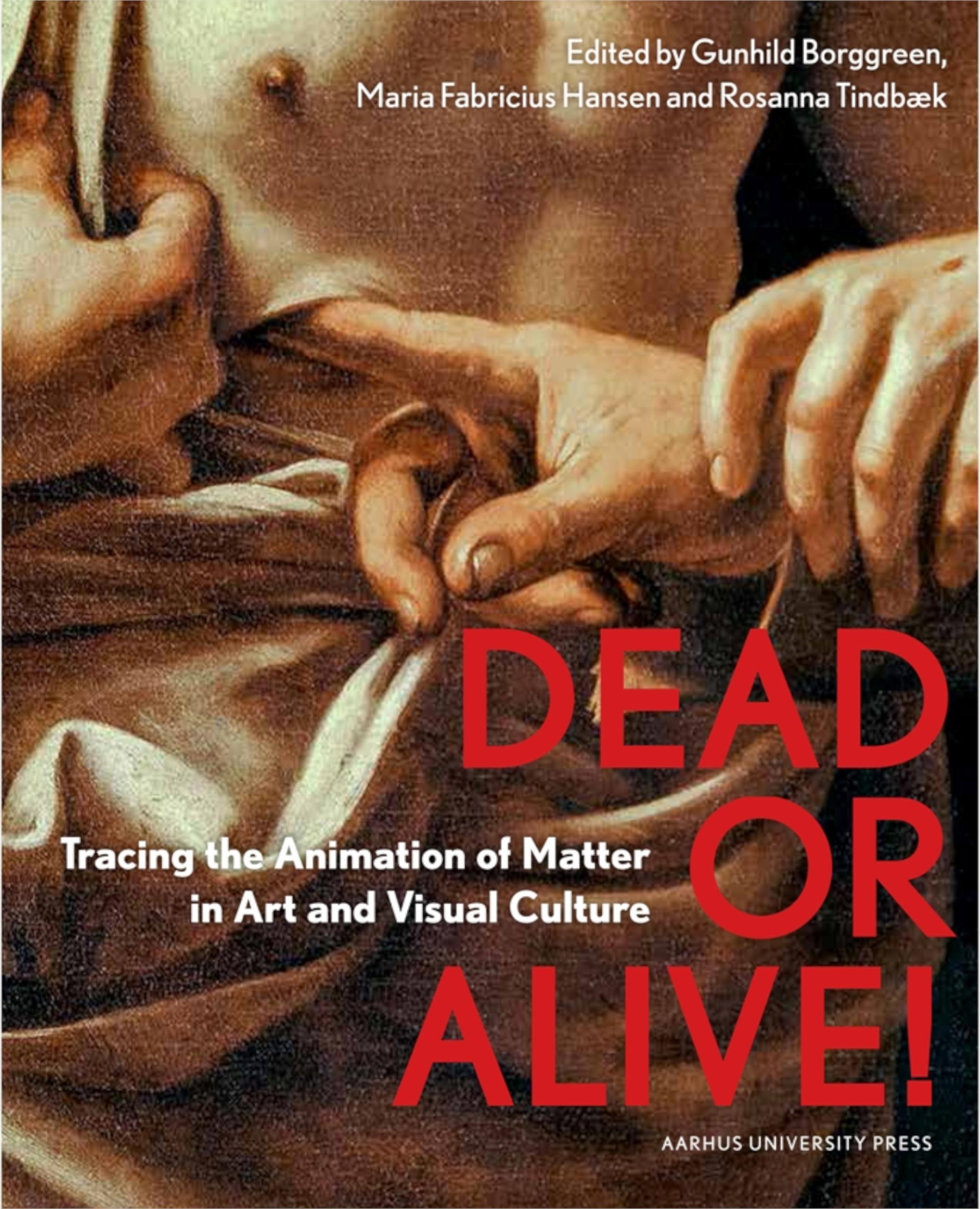
The image is an ontological paradox; it is made of dead matter, yet appears to be alive. For millennia, artists have created images of the living world - images that are static and yet possess the power to bring to life a frozen moment in time. While this tension has constituted a fundamental challenge for as long as theories on the nature of images have existed, recent scholarship has rekindled interest in the question of what images 'do to us'. Despite the rational discourse of Modernity, we must acknowledge that we view images as half-living entities. This book addresses the perpetual relevance of images' enigmatic life-likeness through studies that engage with a variety of visual material by asking the same question: what qualifies animation? Covering a wide range of image practices, such as early paleolithic stone engravings, medieval tomb sculpture, renaissance death masks and baroque painting to modern fashion, park design, early cinema and BioArt, the twelve chapters, written by scholars of art history and visual culture, demonstrate that the ontological paradox of the image is not limited to a specific historical period or certain types of images, but can be seen throughout the history of images across different cultures.
Maksa helposti kortilla, Klarnalla, Apple Paylla tai Google Paylla. Etkö ole tyytyväinen? Sinulla on aina 14 päivän palautusoikeus. Lue lisää ehdoistamme. Jos sinulla on kysyttävää, lähetä meille sähköpostia osoitteeseen hello@memmo.org.
Memmo tekee opiskelusta helpompaa – missä päin maailmaa ikinä oletkin. Meillä yhdistät kurssikirjat ja fiksut opiskelutyökalut yhteen paikkaan: tiivistelmät, visat, podcastit ja muistikortit. Ja sitten Ted, opiskelukaverisi, joka vastaa kaikkeen, mitä ikinä mietitkin. Yli 50 000 opiskelijaa opiskelee jo täällä – rakennettu auttamaan sinua oppimaan nopeammin ja stressaamaan vähemmän.
Saatat pitää myös näistä
Osta kirja0