
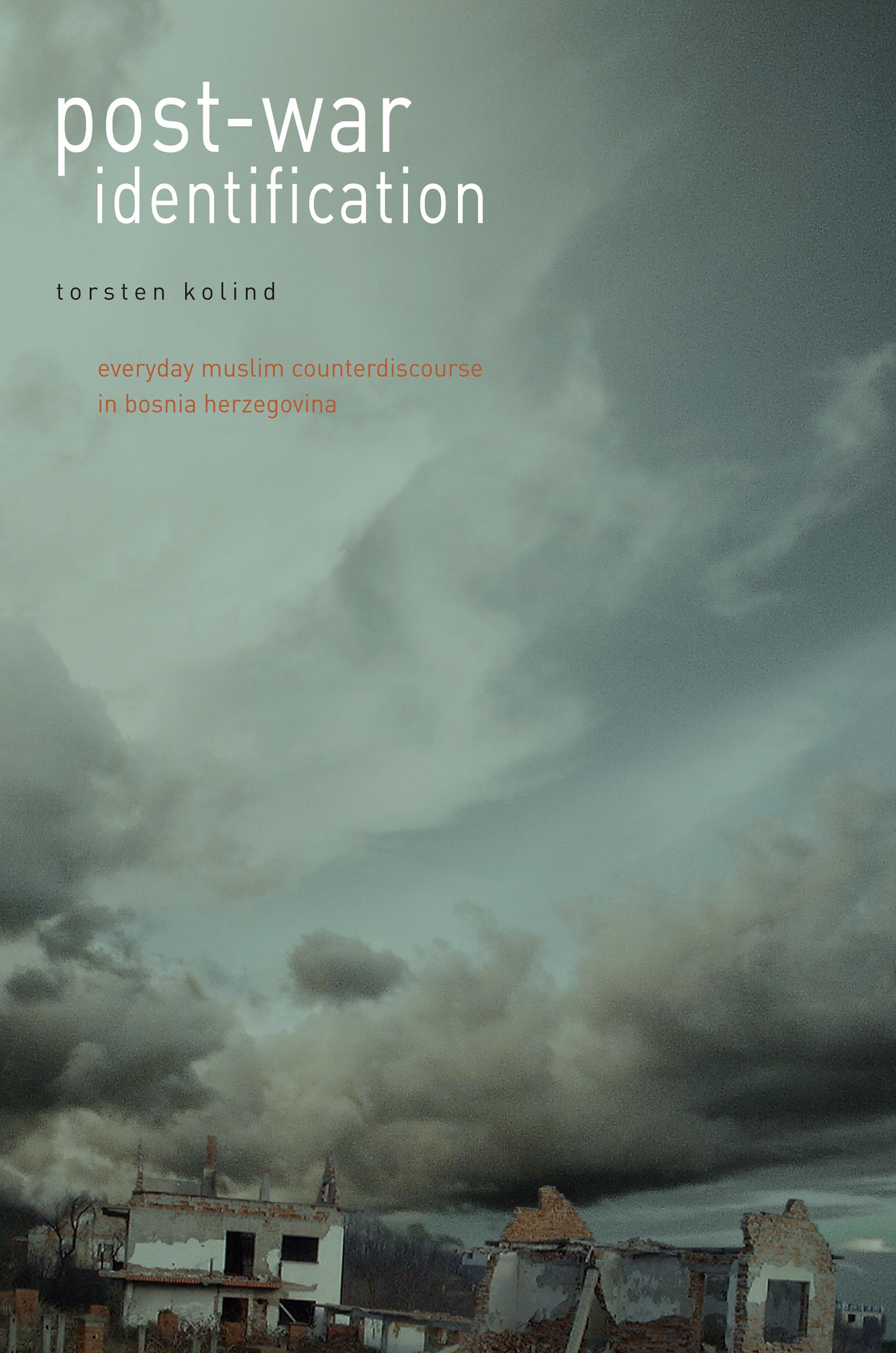
Stolac, the town of departure for this book and the site where the author conducted fieldwork, is located in the south-western corner of Bosnia Herzegovina. The war in Bosnia Herzegovina (1992-95) was initially an act of aggression and territorial conquest instigated by Serbian political leaders. However, as the war progressed, it increasingly came to consist of several minor wars, one of them fought in Western Bosnia Herzegovina between Croatian and Muslim forces. This was the one that affected the inhabitants of Stolac the most. Before the war, ethnic identity in Bosnia Herzegovina was only one identity among others, and ethnic differences were embedded in everyday practices. Today, ethnic difference is all there is. The Muslims of Stolac are fully aware that as Muslims, they constitute a totally separate group - and that ethnic identity is by far the most important form of identity in present-day Bosnia Herzegovina. In that regard the nationalist project has succeeded. Such a crystallisation and explication of identity fits in well with the structurally inspired anthropology of war and violence, which theorises that the function of violence is to create unambiguous identities. However, Post-War Identities shows that for the Muslims of Stolac, the creation of unambiguous ethnic identities is only half the story.
Maksa helposti kortilla, Klarnalla, Apple Paylla tai Google Paylla. Etkö ole tyytyväinen? Sinulla on aina 14 päivän palautusoikeus. Lue lisää ehdoistamme. Jos sinulla on kysyttävää, lähetä meille sähköpostia osoitteeseen hello@memmo.org.
Memmo tekee opiskelusta helpompaa – missä päin maailmaa ikinä oletkin. Meillä yhdistät kurssikirjat ja fiksut opiskelutyökalut yhteen paikkaan: tiivistelmät, visat, podcastit ja muistikortit. Ja sitten Ted, opiskelukaverisi, joka vastaa kaikkeen, mitä ikinä mietitkin. Yli 50 000 opiskelijaa opiskelee jo täällä – rakennettu auttamaan sinua oppimaan nopeammin ja stressaamaan vähemmän.
Saatat pitää myös näistä
Osta kirja0