
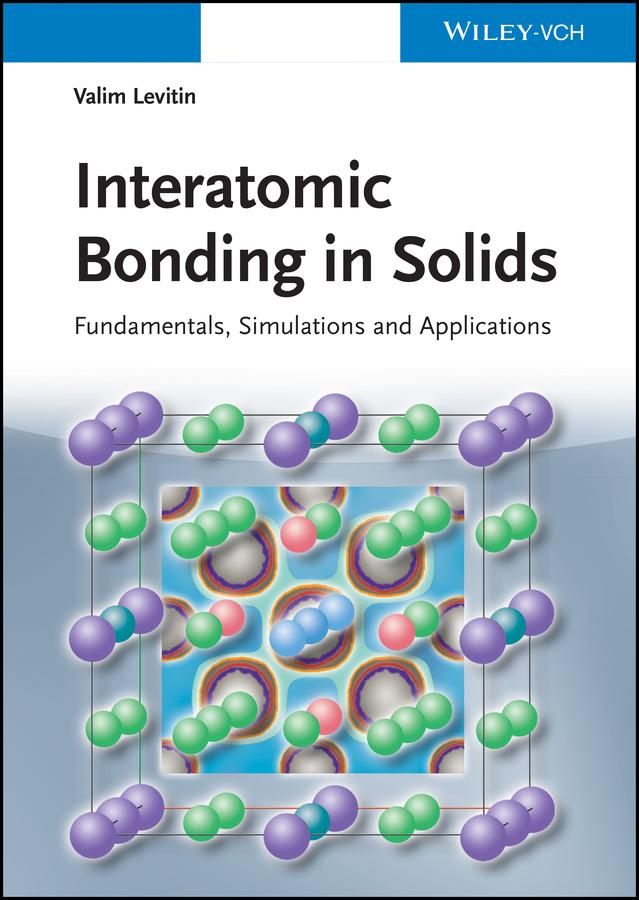
The connection between the quantum behavior of the structure elements of a substance and the parameters that determine the macroscopic behavior of materials has a major influence on the properties exhibited by different solids. Although quantum engineering and theory should complement each other, this is not always the case.
This book aims to demonstrate how the properties of materials can be derived and predicted from the features of their structural elements, generally electrons. In a sense, electronic structure forms the glue holding solids together and it is central to determining structural, mechanical, chemical, electrical, magnetic, and vibrational properties. The main part of the book is devoted to an overview of the fundamentals of density functional theory and its applications to computational solid-state physics and chemistry.
The author shows the technique for construction of models and the computer simulation methods in detail. He considers fundamentals of physical and chemical interatomic bonding in solids and analyzes the predicted theoretical outcome in comparison with experimental data. He applies first-principle simulation methods to predict the properties of transition metals, semiconductors, oxides, solid solutions, and molecular and ionic crystals. Uniquely, he presents novel theories of creep and fatigue that help to anticipate, and prevent, possibly fatal material failures.
As a result, readers gain the knowledge and tools to simulate material properties and design materials with desired characteristics. Due to the interdisciplinary nature of the book, it is suitable for a variety of markets from students to engineers and researchers.
This book aims to demonstrate how the properties of materials can be derived and predicted from the features of their structural elements, generally electrons. In a sense, electronic structure forms the glue holding solids together and it is central to determining structural, mechanical, chemical, electrical, magnetic, and vibrational properties. The main part of the book is devoted to an overview of the fundamentals of density functional theory and its applications to computational solid-state physics and chemistry.
The author shows the technique for construction of models and the computer simulation methods in detail. He considers fundamentals of physical and chemical interatomic bonding in solids and analyzes the predicted theoretical outcome in comparison with experimental data. He applies first-principle simulation methods to predict the properties of transition metals, semiconductors, oxides, solid solutions, and molecular and ionic crystals. Uniquely, he presents novel theories of creep and fatigue that help to anticipate, and prevent, possibly fatal material failures.
As a result, readers gain the knowledge and tools to simulate material properties and design materials with desired characteristics. Due to the interdisciplinary nature of the book, it is suitable for a variety of markets from students to engineers and researchers.
Maksa helposti kortilla, Klarnalla, Apple Paylla tai Google Paylla. Etkö ole tyytyväinen? Sinulla on aina 14 päivän palautusoikeus. Lue lisää ehdoistamme. Jos sinulla on kysyttävää, lähetä meille sähköpostia osoitteeseen hello@memmo.org.
Memmo tekee opiskelusta helpompaa – missä päin maailmaa ikinä oletkin. Meillä yhdistät kurssikirjat ja fiksut opiskelutyökalut yhteen paikkaan: tiivistelmät, visat, podcastit ja muistikortit. Ja sitten Ted, opiskelukaverisi, joka vastaa kaikkeen, mitä ikinä mietitkin. Yli 50 000 opiskelijaa opiskelee jo täällä – rakennettu auttamaan sinua oppimaan nopeammin ja stressaamaan vähemmän.