
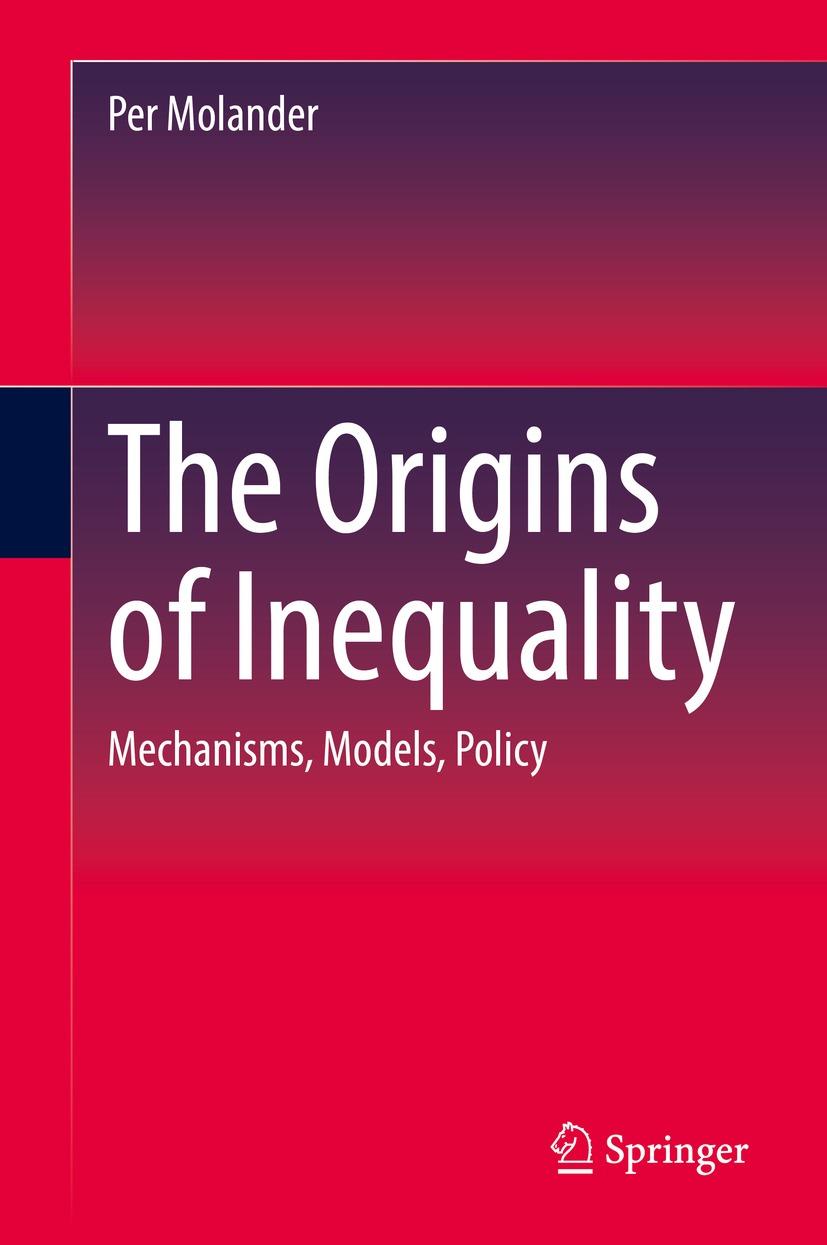
This book presents a unified approach to the problem of inequality, combining results from a variety of research fields – the human life cycle, group dynamics, networks, markets, and economic geography. Its main message is that inequality emerges as the natural result of mechanisms operating both in individual human development and in social interaction. It posits that inequality is not an anomalous deviation from a naturally egalitarian social structure; quite to the contrary, inequality is to be expected as part of the human condition. The author states that the growth of inequality, on the other hand, is not a natural law – the level and character of inequality can be affected by collective decisions. This perspective on human inequality has potentially far-reaching consequences both for the political philosophy of inequality and for public policy-making.
This book is of interest to a wide interdisciplinary social science readership, including public policy, decisionsciences, economic geography, and life course studies.
Maksa helposti kortilla, Klarnalla, Apple Paylla tai Google Paylla. Etkö ole tyytyväinen? Sinulla on aina 14 päivän palautusoikeus. Lue lisää ehdoistamme. Jos sinulla on kysyttävää, lähetä meille sähköpostia osoitteeseen hello@memmo.org.
Memmo tekee opiskelusta helpompaa – missä päin maailmaa ikinä oletkin. Meillä yhdistät kurssikirjat ja fiksut opiskelutyökalut yhteen paikkaan: tiivistelmät, visat, podcastit ja muistikortit. Ja sitten Ted, opiskelukaverisi, joka vastaa kaikkeen, mitä ikinä mietitkin. Yli 50 000 opiskelijaa opiskelee jo täällä – rakennettu auttamaan sinua oppimaan nopeammin ja stressaamaan vähemmän.