
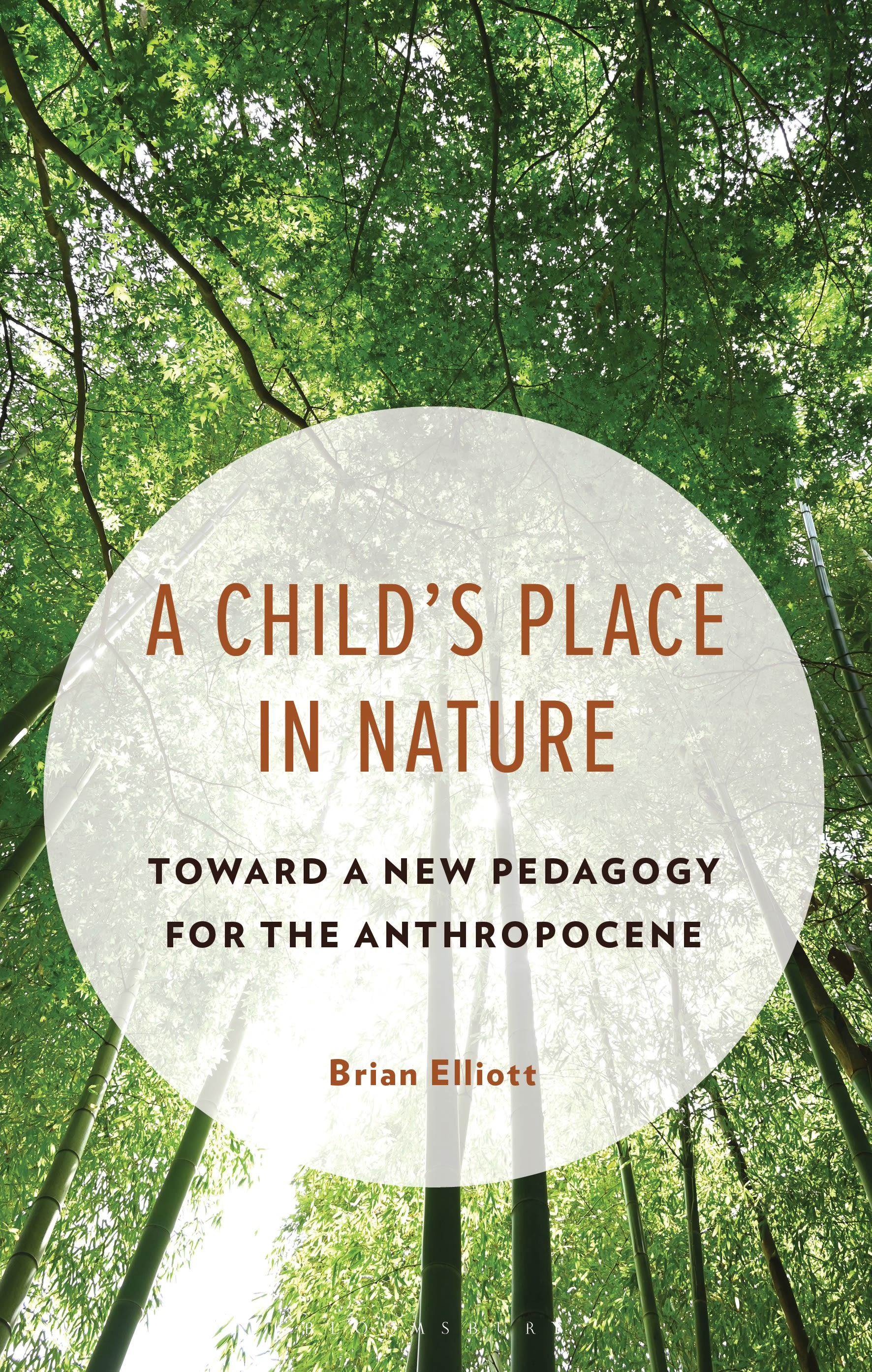
Outlining a transformational pedagogical philosophy that seeks to foster strong and meaningful bonds to the natural environment forged in childhood, this book targets some of the central social challenges entailed by planetary climate disturbance.
In recent decades, social scientists have been studying and drawing attention to what has been labelled “nature-deficit disorder,” a psychological condition in which the young child is deprived of meaningful contact with the natural environment and suffers a diminution of well-being. Brian Elliott brings together the ideas of love of place (topophilia) and love of living nature (biophilia) to propose a radically transformed approach to pedagogical theory and practice that would counter the widespread nature deficit typically experienced by children in more affluent countries. The need for this transformation is especially pressing in the age of the Anthropocene, in which it is confidently predicted that systematic climatic disturbance will begin to become relentlessly severe within the next two decades. The pedagogical approach is also predicated on young learners' inherent interest in leading happy, meaningful lives, a goal furthered by unsupervised time in the physical world around them, especially in middle childhood. Drawing a wide variety of literary, scientific, ecological, and philosophical sources, Elliott makes a passionate and compelling case to stop confining our childing within the classroom and get them back into the open air of the natural environment.
In recent decades, social scientists have been studying and drawing attention to what has been labelled “nature-deficit disorder,” a psychological condition in which the young child is deprived of meaningful contact with the natural environment and suffers a diminution of well-being. Brian Elliott brings together the ideas of love of place (topophilia) and love of living nature (biophilia) to propose a radically transformed approach to pedagogical theory and practice that would counter the widespread nature deficit typically experienced by children in more affluent countries. The need for this transformation is especially pressing in the age of the Anthropocene, in which it is confidently predicted that systematic climatic disturbance will begin to become relentlessly severe within the next two decades. The pedagogical approach is also predicated on young learners' inherent interest in leading happy, meaningful lives, a goal furthered by unsupervised time in the physical world around them, especially in middle childhood. Drawing a wide variety of literary, scientific, ecological, and philosophical sources, Elliott makes a passionate and compelling case to stop confining our childing within the classroom and get them back into the open air of the natural environment.
Maksa helposti kortilla, Klarnalla, Apple Paylla tai Google Paylla. Etkö ole tyytyväinen? Sinulla on aina 14 päivän palautusoikeus. Lue lisää ehdoistamme. Jos sinulla on kysyttävää, lähetä meille sähköpostia osoitteeseen hello@memmo.org.
Memmo tekee opiskelusta helpompaa – missä päin maailmaa ikinä oletkin. Meillä yhdistät kurssikirjat ja fiksut opiskelutyökalut yhteen paikkaan: tiivistelmät, visat, podcastit ja muistikortit. Ja sitten Ted, opiskelukaverisi, joka vastaa kaikkeen, mitä ikinä mietitkin. Yli 50 000 opiskelijaa opiskelee jo täällä – rakennettu auttamaan sinua oppimaan nopeammin ja stressaamaan vähemmän.