
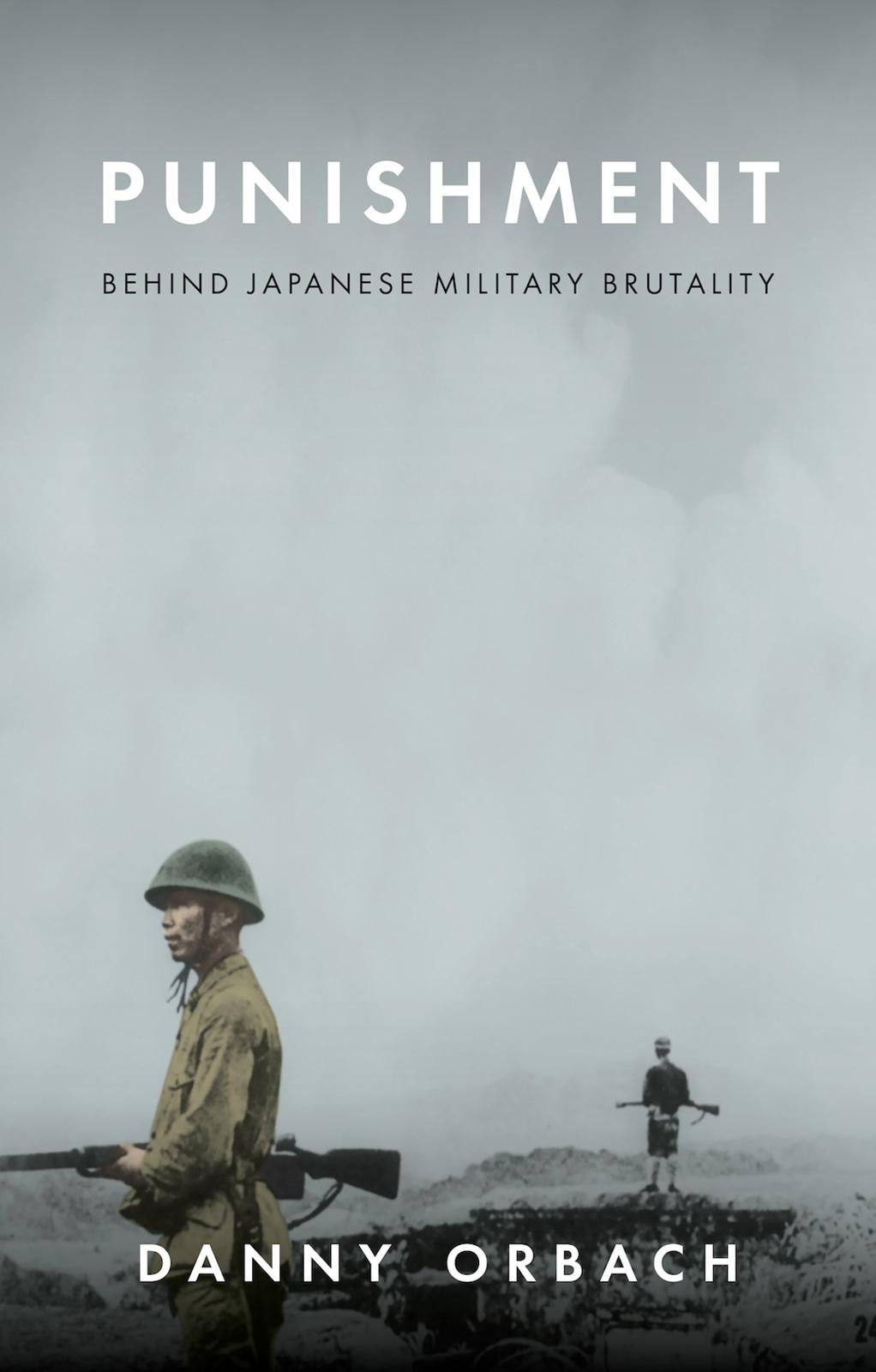
Why was the Japanese Army so brutal before and during World War Two? This haunting question anchors a sweeping investigation into the moral universe of Imperial Japan’s soldiers, tracing their path from the twilight of the samurai age to the ashes of Manila in 1945.
Punishment uncovers a world in which war was conceived not merely as combat, but also as justice. Officers and soldiers learned to navigate two rival visions of war: one restrained by the ‘foreign gaze’ of the Western world, the other rooted in older traditions that cast adversaries as ‘rebels’ and ‘bandits’ deserving exemplary punishment. However, these competing strategies were intertwined, in an interplay of mutual mitigation and brutalisation. Drawing on archival material in six languages and fieldwork conducted across Asia—from Taiwan’s indigenous highlands to Manchuria’s sorghum fields and the streets of Nanjing—Danny Orbach reveals how ambiguity, obedience, fear and ideology converged on the battlefield. Vague orders could become massacres, and the boundary between necessity and cruelty became perilously thin.
Part detective story, part moral history, Punishment illuminates how a modern state slid into devastating violence—and why that descent was neither inevitable nor easily explained.
Maksa helposti kortilla, Klarnalla, Apple Paylla tai Google Paylla. Etkö ole tyytyväinen? Sinulla on aina 14 päivän palautusoikeus. Lue lisää ehdoistamme. Jos sinulla on kysyttävää, lähetä meille sähköpostia osoitteeseen hello@memmo.org.
Memmo tekee opiskelusta helpompaa – missä päin maailmaa ikinä oletkin. Meillä yhdistät kurssikirjat ja fiksut opiskelutyökalut yhteen paikkaan: tiivistelmät, visat, podcastit ja muistikortit. Ja sitten Ted, opiskelukaverisi, joka vastaa kaikkeen, mitä ikinä mietitkin. Yli 50 000 opiskelijaa opiskelee jo täällä – rakennettu auttamaan sinua oppimaan nopeammin ja stressaamaan vähemmän.