
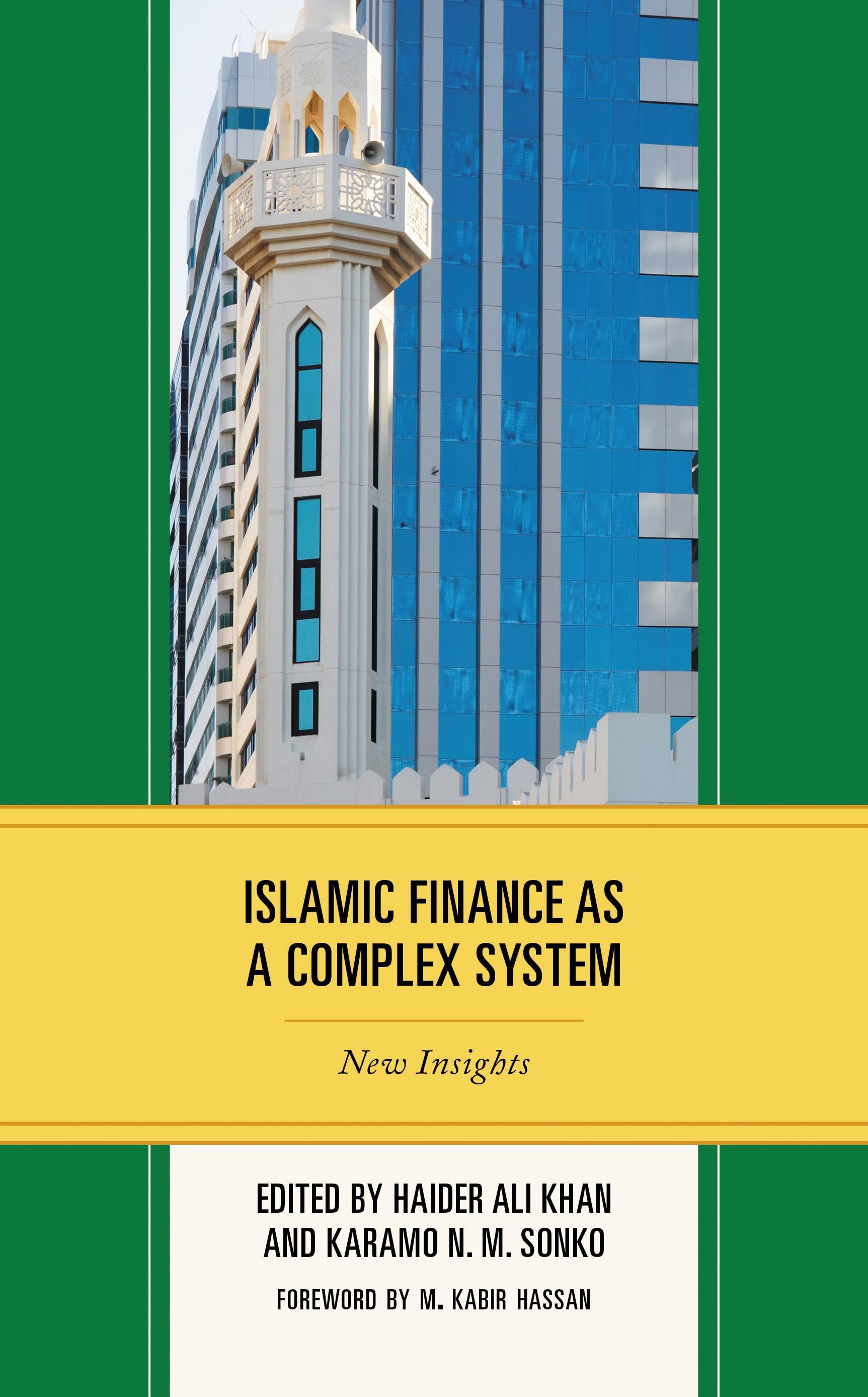
There has been a rapid increase in the interest in the study of Islamic finance, resulting in a dramatic rise in financing since the beginning of the century. By the end of 2017 global industry assets had reached $2.4 trillion and were forecasted to reach $3.2 trillion by 2020, despite historic challenges to Islam itself at the same time. This collection of chapters provides key theoretical, empirical, and policy insights into Islamic finance from an overall complex financial and economic systems perspective. Within the complex financial and economic systems framework, this book addresses questions such as how to conceptualize Islamic financial institutions in a nonlinear general equilibrium system, how to promote Islamic Finance in Africa, how “Islamic” is Islamic finance, and how it affects price stability, among other topics. The book provides case studies in Africa and Asia, addresses the subject in a structural financial CGE model, demonstrates the development impact of Islamic finance, and presents an Islamic version of the Iceland Plan for Monetary Reform.
Maksa helposti kortilla, Klarnalla, Apple Paylla tai Google Paylla. Etkö ole tyytyväinen? Sinulla on aina 14 päivän palautusoikeus. Lue lisää ehdoistamme. Jos sinulla on kysyttävää, lähetä meille sähköpostia osoitteeseen hello@memmo.org.
Memmo tekee opiskelusta helpompaa – missä päin maailmaa ikinä oletkin. Meillä yhdistät kurssikirjat ja fiksut opiskelutyökalut yhteen paikkaan: tiivistelmät, visat, podcastit ja muistikortit. Ja sitten Ted, opiskelukaverisi, joka vastaa kaikkeen, mitä ikinä mietitkin. Yli 50 000 opiskelijaa opiskelee jo täällä – rakennettu auttamaan sinua oppimaan nopeammin ja stressaamaan vähemmän.