
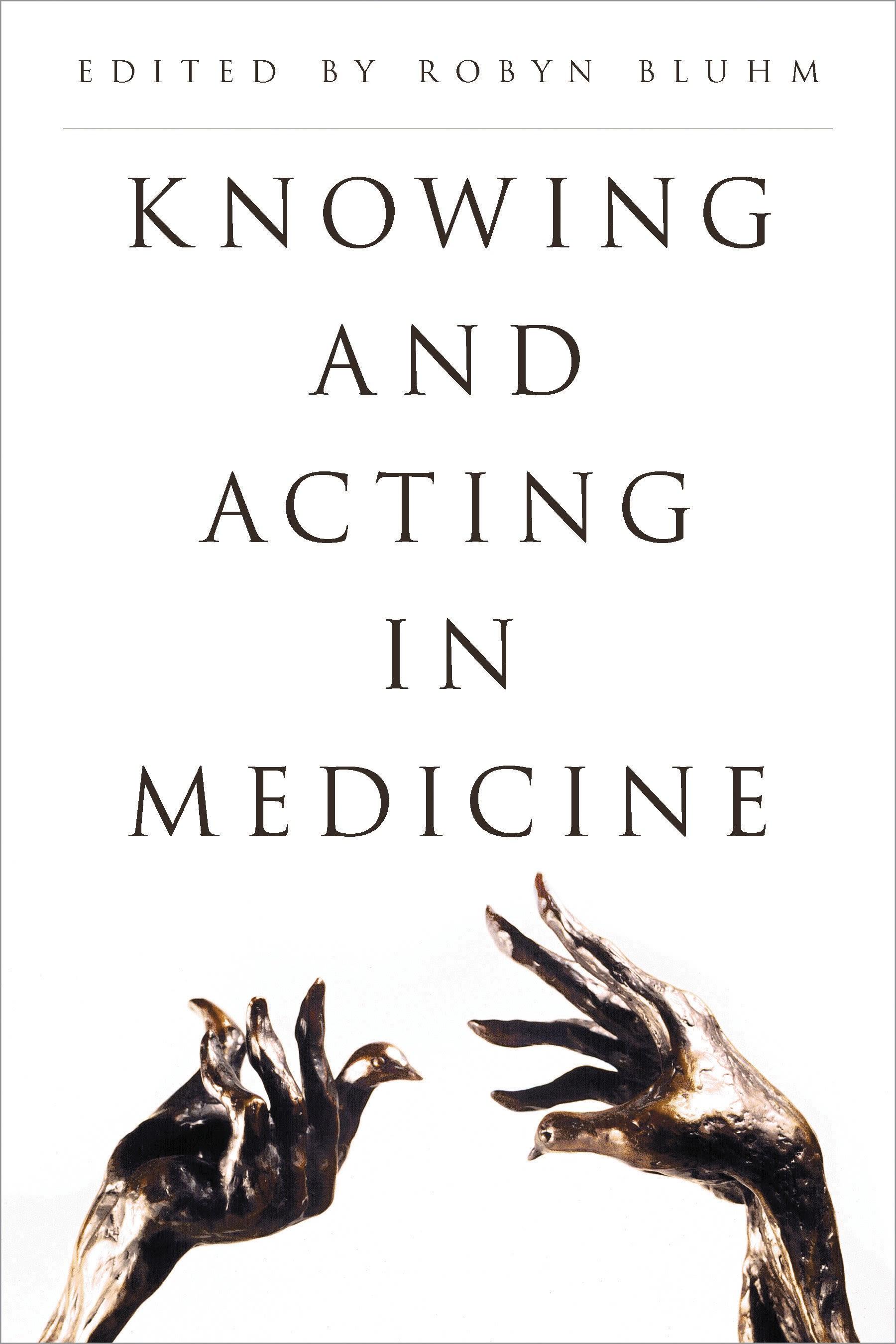
What roles do different kinds of knowledge play in medicine? What roles should they play? What standards (epistemic, ethical, practical) should be met before knowledge is used to develop policy or practice? Medical decision-making, whether in the clinic or at the policy level, can have serious and far-reaching consequences. It is therefore important to base decisions on the best available knowledge. Yet deciding what should count as the best available knowledge is not easy. This important book addresses philosophical questions about what kinds of knowledge should be taken into account, and how knowledge should inform practice and policy.
The chapters in this volume examine the relationship between knowledge and action in medical research, practice, and policy. “Knowledge” is broadly construed to include knowledge from clinical, laboratory, or social science research, and from the clinical encounter, as well as broader background assumptions prevalent in society that inform both the kinds of knowledge that are taken to be relevant to medicine and how that knowledge is interpreted in decision-making. Such knowledge may be relevant not only to clinical decision-making with regard to the care of individual patients, but also to the practice of scientific research, the development of policy and practice guidelines, and decisions made by patients or by patient advocacy groups.
The chapters in this volume examine the relationship between knowledge and action in medical research, practice, and policy. “Knowledge” is broadly construed to include knowledge from clinical, laboratory, or social science research, and from the clinical encounter, as well as broader background assumptions prevalent in society that inform both the kinds of knowledge that are taken to be relevant to medicine and how that knowledge is interpreted in decision-making. Such knowledge may be relevant not only to clinical decision-making with regard to the care of individual patients, but also to the practice of scientific research, the development of policy and practice guidelines, and decisions made by patients or by patient advocacy groups.
Maksa helposti kortilla, Klarnalla, Apple Paylla tai Google Paylla. Etkö ole tyytyväinen? Sinulla on aina 14 päivän palautusoikeus. Lue lisää ehdoistamme. Jos sinulla on kysyttävää, lähetä meille sähköpostia osoitteeseen hello@memmo.org.
Memmo tekee opiskelusta helpompaa – missä päin maailmaa ikinä oletkin. Meillä yhdistät kurssikirjat ja fiksut opiskelutyökalut yhteen paikkaan: tiivistelmät, visat, podcastit ja muistikortit. Ja sitten Ted, opiskelukaverisi, joka vastaa kaikkeen, mitä ikinä mietitkin. Yli 50 000 opiskelijaa opiskelee jo täällä – rakennettu auttamaan sinua oppimaan nopeammin ja stressaamaan vähemmän.