
“Let us not be led astray: they say ‘judge not’ and yet they condemn to hell whoever stands in their way.”
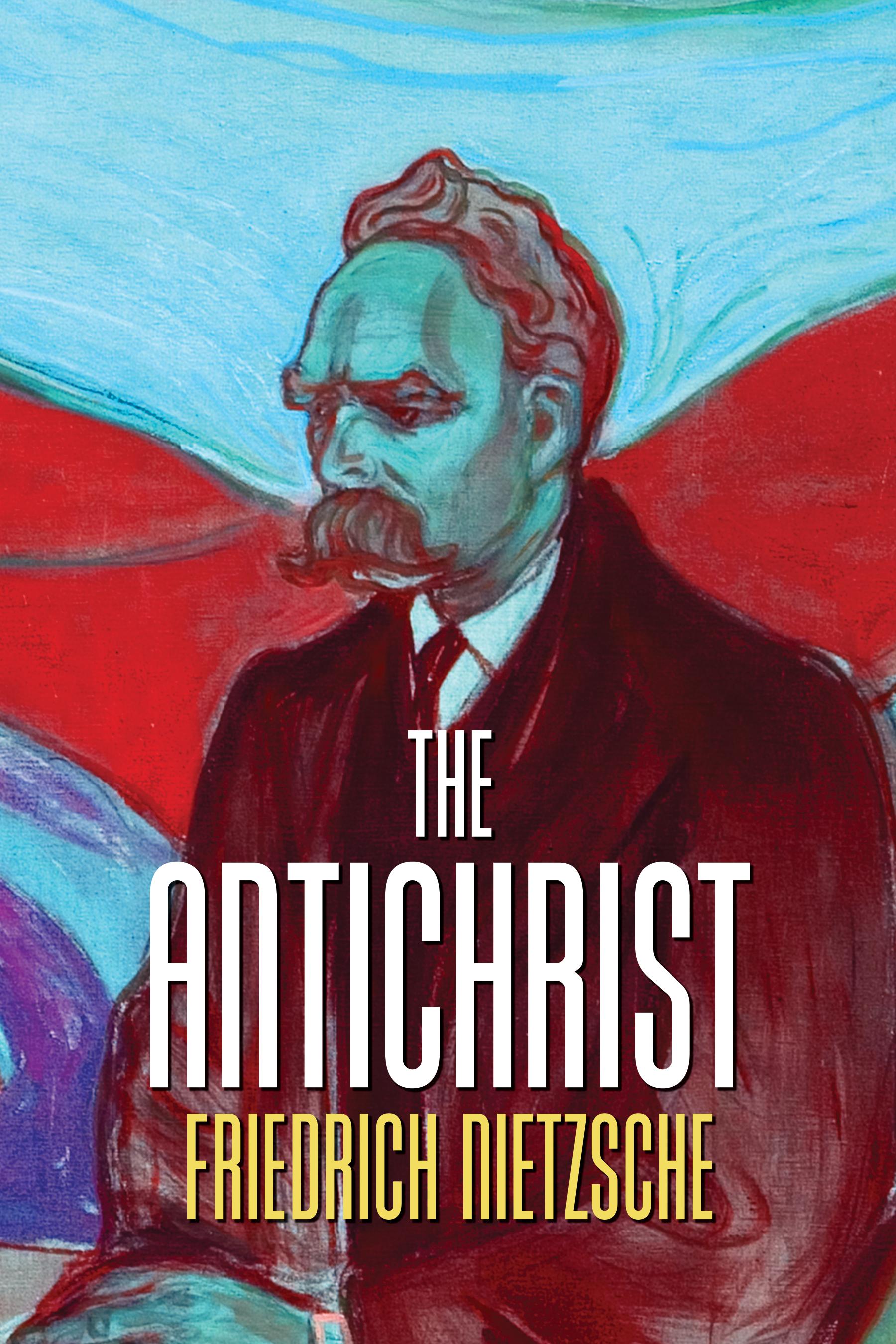
The Antichrist by the philosopher Friedrich Nietzsche, was originally published in 1895. In it, Nietzsche expresses his dissatisfaction with modernity, listing his dislike of “lazy peace”, “cowardly compromise”, “tolerance” and “resignation”. Mankind, according to Nietzsche, is corrupt and its highest values are depraved because nihilistic values dominate under the holiest names. He asserts that "all the values in which mankind at present summarizes its highest desiderata are decadence values". Mankind is depraved because it has lost its instincts and prefers what is harmful to it.
Nietzsche puts forth a provocative critique of Christianity and its moral teachings as he argues that mankind, out of fear, has bred a weak, sick type of human. He blames Christianity for demonizing strong, higher humans. He feels that Christian values are life-denying and impede human progress and advocates instead for a philosophy that affirms life and individual autonomy.
Nietzsche introduces his concept of “will to power using its relation to define the notions of good, bad, and happiness. Good is whatever augments the feeling of power, the will to power and power itself, in man. Evil is whatever springs from weakness. Happiness is the feeling that power increases…that resistance is overcome.
Nietzsche claims to have written the book for a very limited readership who must be honest in intellectual matters in order to understand the book. They must be strong enough to endure Nietzsche’s seriousness and passion.
The Antichrist by the philosopher Friedrich Nietzsche, was originally published in 1895. In it, Nietzsche expresses his dissatisfaction with modernity, listing his dislike of “lazy peace”, “cowardly compromise”, “tolerance” and “resignation”. Mankind, according to Nietzsche, is corrupt and its highest values are depraved because nihilistic values dominate under the holiest names. He asserts that "all the values in which mankind at present summarizes its highest desiderata are decadence values". Mankind is depraved because it has lost its instincts and prefers what is harmful to it.
Nietzsche puts forth a provocative critique of Christianity and its moral teachings as he argues that mankind, out of fear, has bred a weak, sick type of human. He blames Christianity for demonizing strong, higher humans. He feels that Christian values are life-denying and impede human progress and advocates instead for a philosophy that affirms life and individual autonomy.
Nietzsche introduces his concept of “will to power using its relation to define the notions of good, bad, and happiness. Good is whatever augments the feeling of power, the will to power and power itself, in man. Evil is whatever springs from weakness. Happiness is the feeling that power increases…that resistance is overcome.
Nietzsche claims to have written the book for a very limited readership who must be honest in intellectual matters in order to understand the book. They must be strong enough to endure Nietzsche’s seriousness and passion.
Maksa helposti kortilla, Klarnalla, Apple Paylla tai Google Paylla. Etkö ole tyytyväinen? Sinulla on aina 14 päivän palautusoikeus. Lue lisää ehdoistamme. Jos sinulla on kysyttävää, lähetä meille sähköpostia osoitteeseen hello@memmo.org.
Memmo tekee opiskelusta helpompaa – missä päin maailmaa ikinä oletkin. Meillä yhdistät kurssikirjat ja fiksut opiskelutyökalut yhteen paikkaan: tiivistelmät, visat, podcastit ja muistikortit. Ja sitten Ted, opiskelukaverisi, joka vastaa kaikkeen, mitä ikinä mietitkin. Yli 50 000 opiskelijaa opiskelee jo täällä – rakennettu auttamaan sinua oppimaan nopeammin ja stressaamaan vähemmän.
Saatat pitää myös näistä
Osta kirja0