
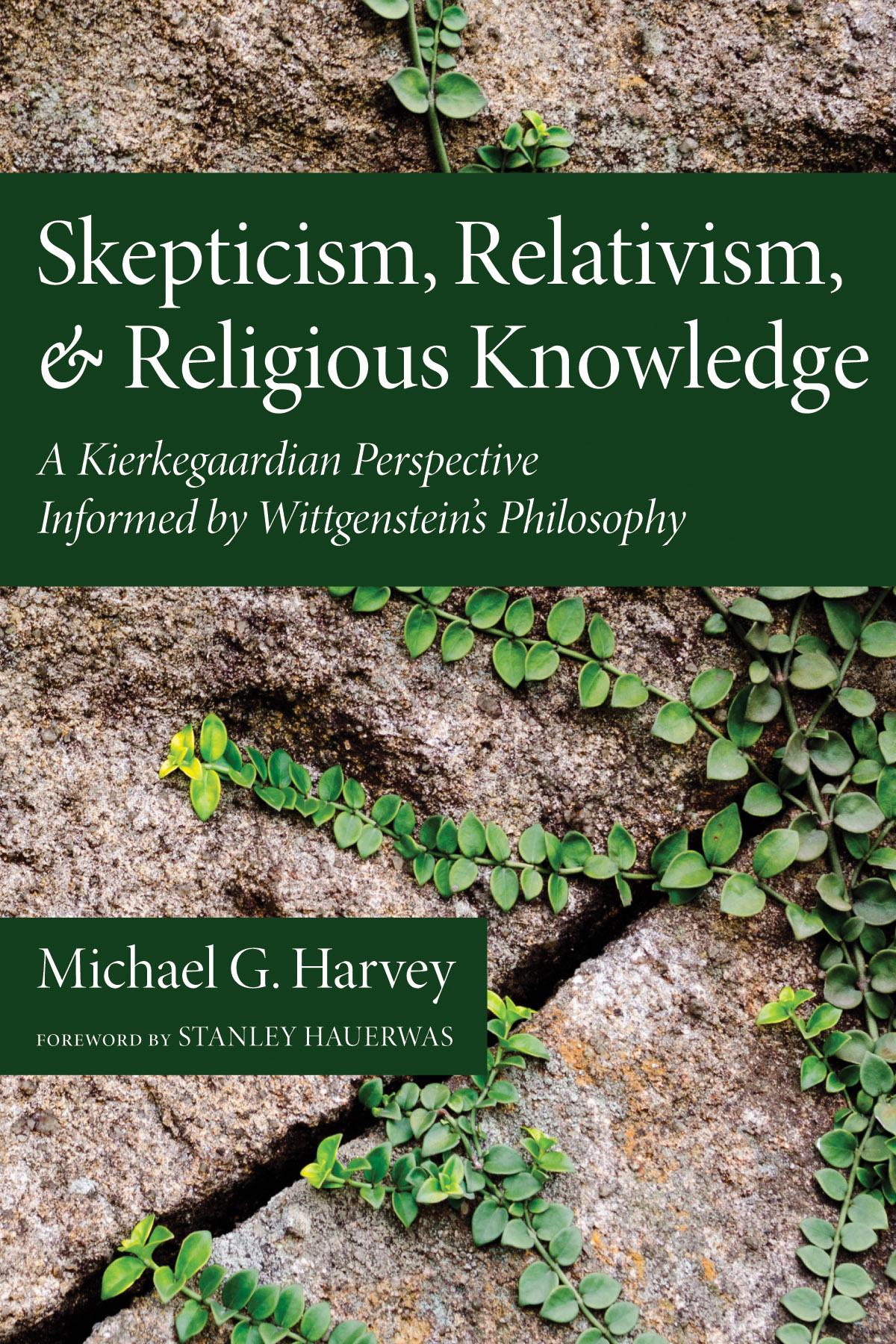
Skepticism, Relativism, and Religious Knowledge examines the challenges of skepticism and relativism to religious knowledge after the demise of classical foundationalism. Whereas skepticism doubts our capacity to know truth, relativism doubts whether we can find a sufficiently objective perspective to adjudicate strong disagreement about truth. Thus relativism involves skepticism about rationality rather than truth. In developing a critique of responses to these challenges by Karl Barth and Reformed epistemology, Michael G. Harvey develops a Kierkegaardian perspective on religious knowledge informed by Wittgenstein's philosophy. This perspective is based on a hermeneutical model of rationality that appeals to what we hold in common rather than private and parochial foundations in order to settle disagreement. Although doubt is necessary to produce more truth-preserving beliefs, we must scrutinize our doubts as well as beliefs in order to prevent the belief-forming mechanism of doubt from degenerating into a general mood of skepticism about rationality and truth. More fundamentally, we must realize that skepticism and relativism are rooted in attitudes of alienation. Whereas epistemology aims at a non-alienated view of the world, Christianity aims at a non-alienated way of living through faith that enables both our beliefs and lives to correspond with the truth.
Maksa helposti kortilla, Klarnalla, Apple Paylla tai Google Paylla. Etkö ole tyytyväinen? Sinulla on aina 14 päivän palautusoikeus. Lue lisää ehdoistamme. Jos sinulla on kysyttävää, lähetä meille sähköpostia osoitteeseen hello@memmo.org.
Memmo tekee opiskelusta helpompaa – missä päin maailmaa ikinä oletkin. Meillä yhdistät kurssikirjat ja fiksut opiskelutyökalut yhteen paikkaan: tiivistelmät, visat, podcastit ja muistikortit. Ja sitten Ted, opiskelukaverisi, joka vastaa kaikkeen, mitä ikinä mietitkin. Yli 50 000 opiskelijaa opiskelee jo täällä – rakennettu auttamaan sinua oppimaan nopeammin ja stressaamaan vähemmän.
Saatat pitää myös näistä
Osta kirja0