
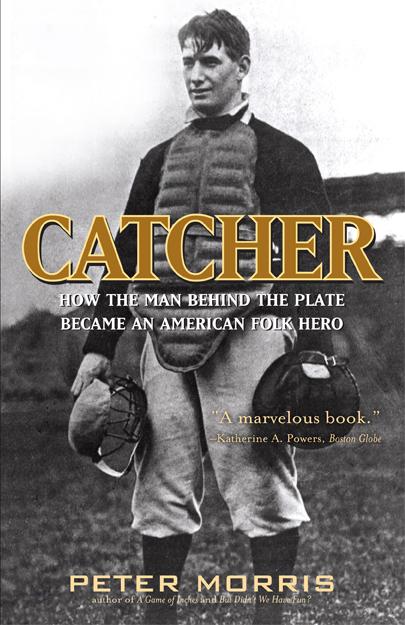
Today the baseball catcher is a familiar but uninspiring figure. Decked out in the so-called tools of ignorance, he stolidly goes about his duty without attracting much attention. But it wasn't always that way, as Peter Morris shows in this lively and original study. In baseball's early days, catchers stood a safe distance behind the batter. Then the introduction of the curveball in the 1870s led them to move up directly behind home plate, even though they still wore no gloves or protective equipment. Extraordinary courage became the catcher's most notable requirement, but the new positioning also demanded that the catcher have lightning-fast reflexes, great hands, and a cannon for a throwing arm.
Maksa helposti kortilla, Klarnalla, Apple Paylla tai Google Paylla. Etkö ole tyytyväinen? Sinulla on aina 14 päivän palautusoikeus. Lue lisää ehdoistamme. Jos sinulla on kysyttävää, lähetä meille sähköpostia osoitteeseen hello@memmo.org.
Memmo tekee opiskelusta helpompaa – missä päin maailmaa ikinä oletkin. Meillä yhdistät kurssikirjat ja fiksut opiskelutyökalut yhteen paikkaan: tiivistelmät, visat, podcastit ja muistikortit. Ja sitten Ted, opiskelukaverisi, joka vastaa kaikkeen, mitä ikinä mietitkin. Yli 50 000 opiskelijaa opiskelee jo täällä – rakennettu auttamaan sinua oppimaan nopeammin ja stressaamaan vähemmän.