
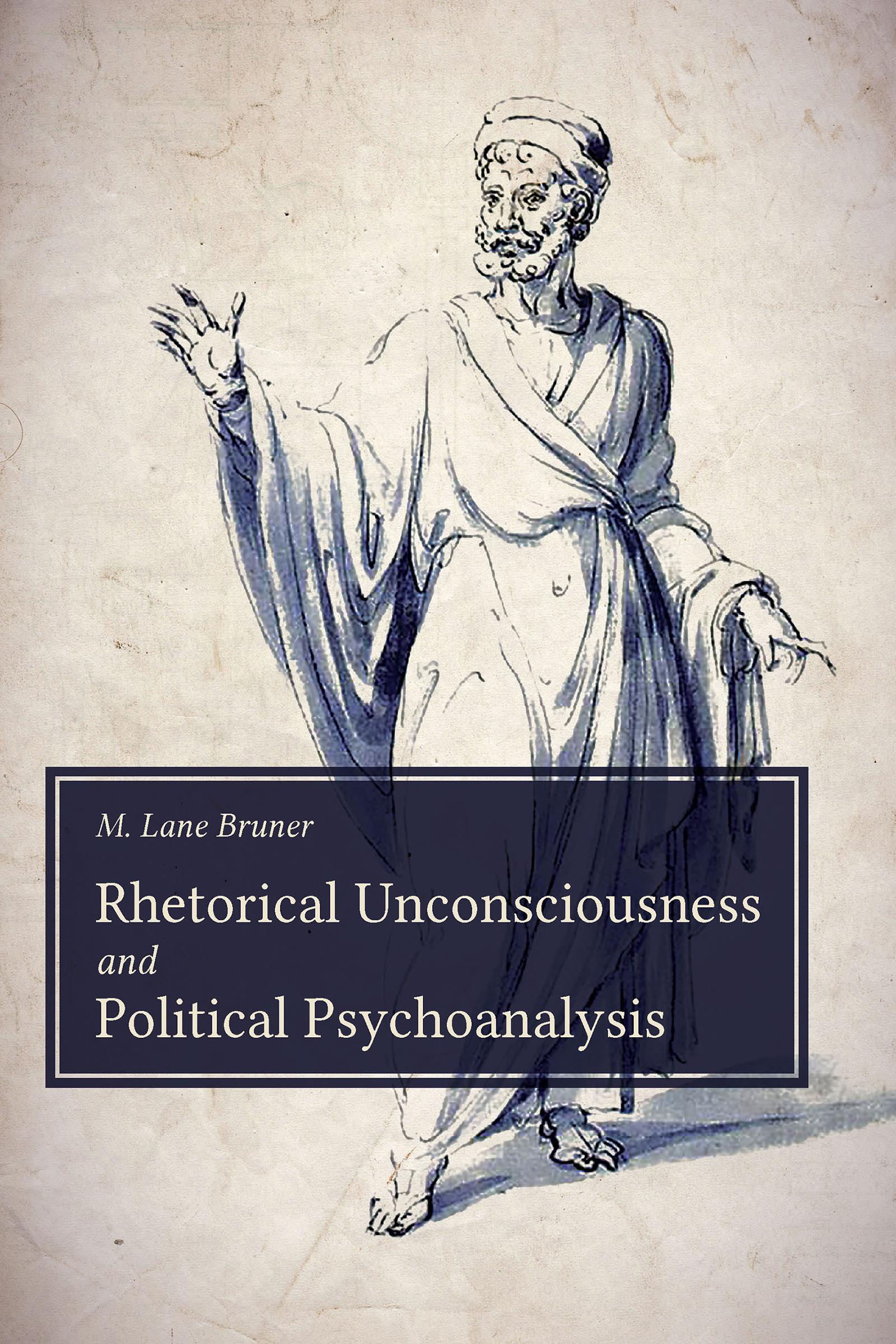
Case studies exploring the roots of persuasion and rhetorical unconsciousness
Rhetorical Unconsciousness and Political Psychoanalysis investigates unintentional forms of persuasion, their political consequences, and our ethical relation to the same. M. Lane Bruner argues that the unintentional ways we are persuaded are far more important than intentional persuasion; in fact all intentional persuasion is built on the foundations of rhetorical unconsciousness, whether we are persuaded through ignorance (the unsayable), unconscious symbolic processes (the unspoken), or productive repression (the unspeakable).
Bruner brings together a wide range of theoretical approaches to unintentional persuasion, establishing the locations of such persuasion and providing examples taken from the Western European transition from feudalism to capitalism. To be more specific, phenomena related to artificial personhood and the commodity self have led to transformations in material culture from architecture to theater, showing how rhetorical unconsciousness works to create symptoms. Bruner then examines ethical considerations, the relationships among language in use, unconsciousness, and the seemingly irrational aspects of cultural and political history.
Maksa helposti kortilla, Klarnalla, Apple Paylla tai Google Paylla. Etkö ole tyytyväinen? Sinulla on aina 14 päivän palautusoikeus. Lue lisää ehdoistamme. Jos sinulla on kysyttävää, lähetä meille sähköpostia osoitteeseen hello@memmo.org.
Memmo tekee opiskelusta helpompaa – missä päin maailmaa ikinä oletkin. Meillä yhdistät kurssikirjat ja fiksut opiskelutyökalut yhteen paikkaan: tiivistelmät, visat, podcastit ja muistikortit. Ja sitten Ted, opiskelukaverisi, joka vastaa kaikkeen, mitä ikinä mietitkin. Yli 50 000 opiskelijaa opiskelee jo täällä – rakennettu auttamaan sinua oppimaan nopeammin ja stressaamaan vähemmän.