
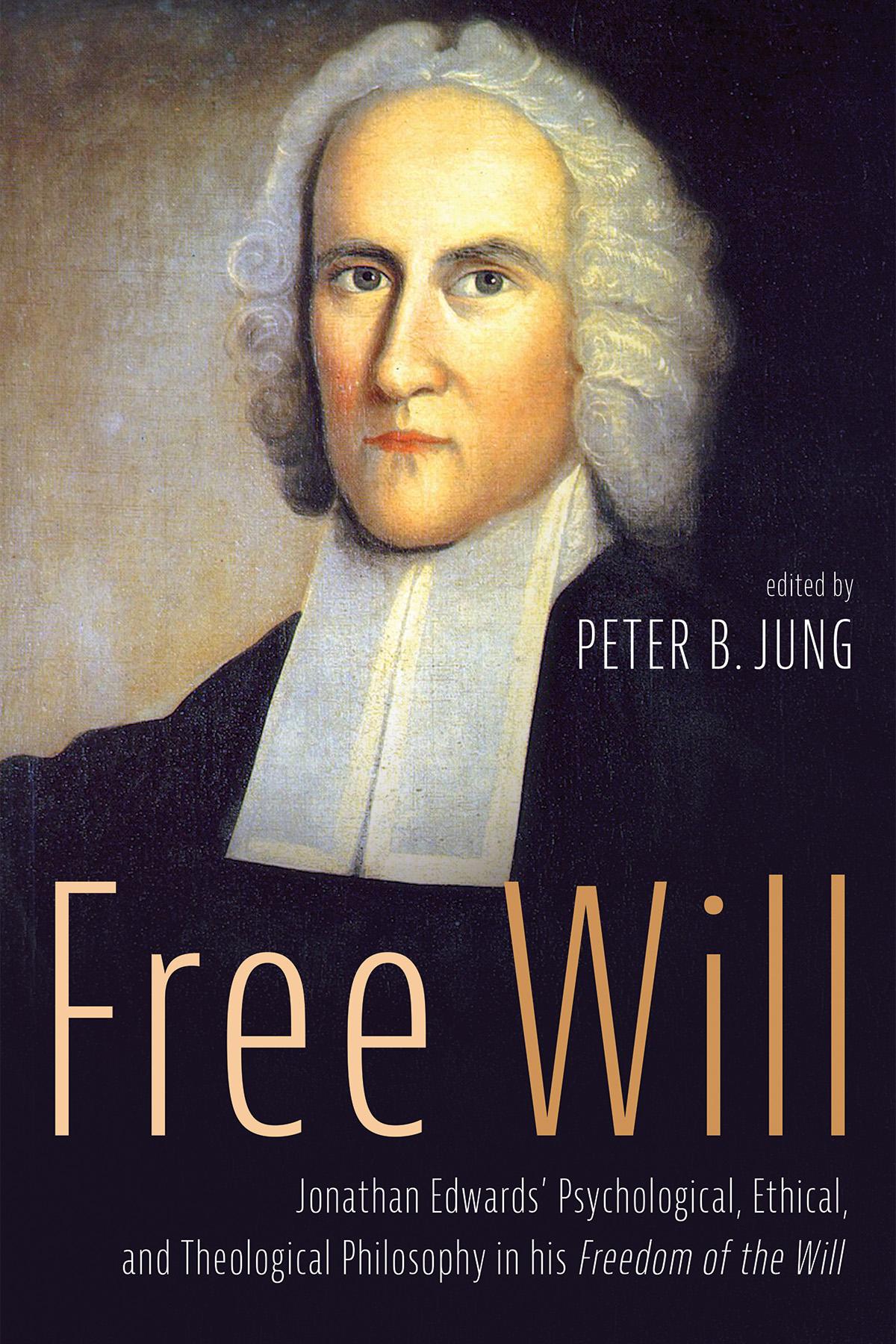
Free Will, also known as Freedom of the Will, is appraised as the one of the greatest works ever produced in America. The mid-eighteenth-century New England philosophical theologian Jonathan Edwards (1703-58) defines the will by importing terms from John Locke. Edwards states the Arminian nature of free will, suspects the need for such free will, and finally defends Calvinist free will and objects to the Arminian one.
In his argument, he chooses three British antagonists: Daniel Whitby, Thomas Chubb, and Isaac Watts. These antagonists insist that the self-determining will is necessary for us to be morally accountable. Edwards disputes their objections that God's determination is contradictory to the liberty of the human will. He then goes to argue what kind of freedom of the will is necessary for the former and latter to be compatible. Edwards's psychological, moral, and theological philosophy is displayed. In addition, readers can learn how our will chooses something pleasant by following the dictate of understanding, while the author demonstrates the natures of New England Arminianism and Calvinism.
Maksa helposti kortilla, Klarnalla, Apple Paylla tai Google Paylla. Etkö ole tyytyväinen? Sinulla on aina 14 päivän palautusoikeus. Lue lisää ehdoistamme. Jos sinulla on kysyttävää, lähetä meille sähköpostia osoitteeseen hello@memmo.org.
Memmo tekee opiskelusta helpompaa – missä päin maailmaa ikinä oletkin. Meillä yhdistät kurssikirjat ja fiksut opiskelutyökalut yhteen paikkaan: tiivistelmät, visat, podcastit ja muistikortit. Ja sitten Ted, opiskelukaverisi, joka vastaa kaikkeen, mitä ikinä mietitkin. Yli 50 000 opiskelijaa opiskelee jo täällä – rakennettu auttamaan sinua oppimaan nopeammin ja stressaamaan vähemmän.
Saatat pitää myös näistä
Osta kirja0