
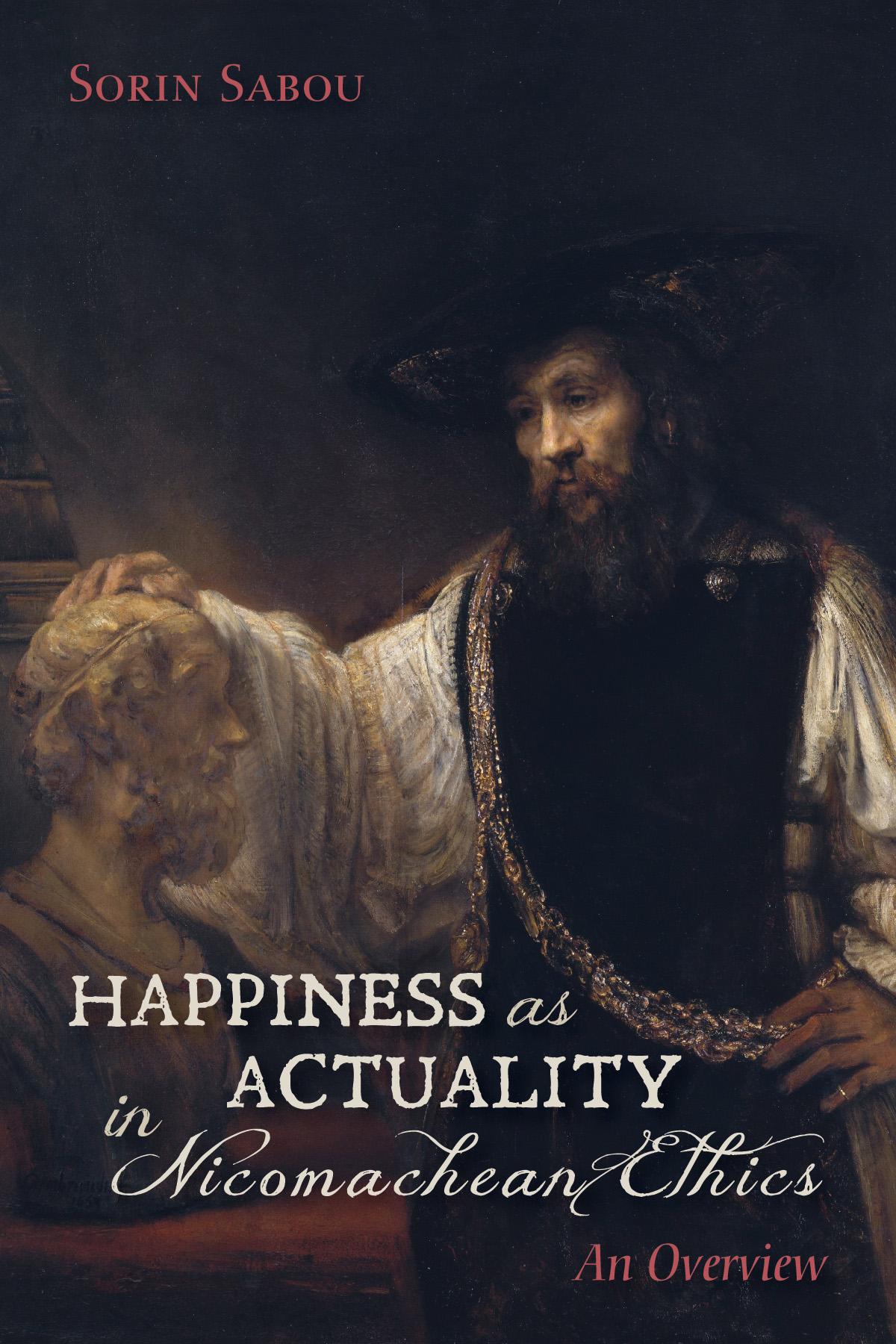
This is a study about the meaning of happiness (εὐδαιμονία) in Aristotle's Nicomachean Ethics (EN). It is argued that εὐδαιμονία in EN means actuality, and it has to be interpreted through the lenses of two metaphors used by Aristotle in EN 1.7 1098a21 and 10.6 1176a30: the "perimeter of good" and the "imprint of happiness." To explain the meaning of happiness Aristotle first has to delineate the "perimeter of good" of human beings, and he does that with the help of two criteria: the final end [τέλος] and the function of humanity [ἔργον ἀνθρώπου]. These two criteria are metaphysical concepts which describe the "good" as the final metaphysical aim of every person, and the best every person can be. This metaphysical teleological aim is the "actuality of the soul" according with excellence. This is the "perimeter" within which Aristotle enquires about εὐδαιμονία--the good of humans.
Maksa helposti kortilla, Klarnalla, Apple Paylla tai Google Paylla. Etkö ole tyytyväinen? Sinulla on aina 14 päivän palautusoikeus. Lue lisää ehdoistamme. Jos sinulla on kysyttävää, lähetä meille sähköpostia osoitteeseen hello@memmo.org.
Memmo tekee opiskelusta helpompaa – missä päin maailmaa ikinä oletkin. Meillä yhdistät kurssikirjat ja fiksut opiskelutyökalut yhteen paikkaan: tiivistelmät, visat, podcastit ja muistikortit. Ja sitten Ted, opiskelukaverisi, joka vastaa kaikkeen, mitä ikinä mietitkin. Yli 50 000 opiskelijaa opiskelee jo täällä – rakennettu auttamaan sinua oppimaan nopeammin ja stressaamaan vähemmän.
Saatat pitää myös näistä
Osta kirja0