
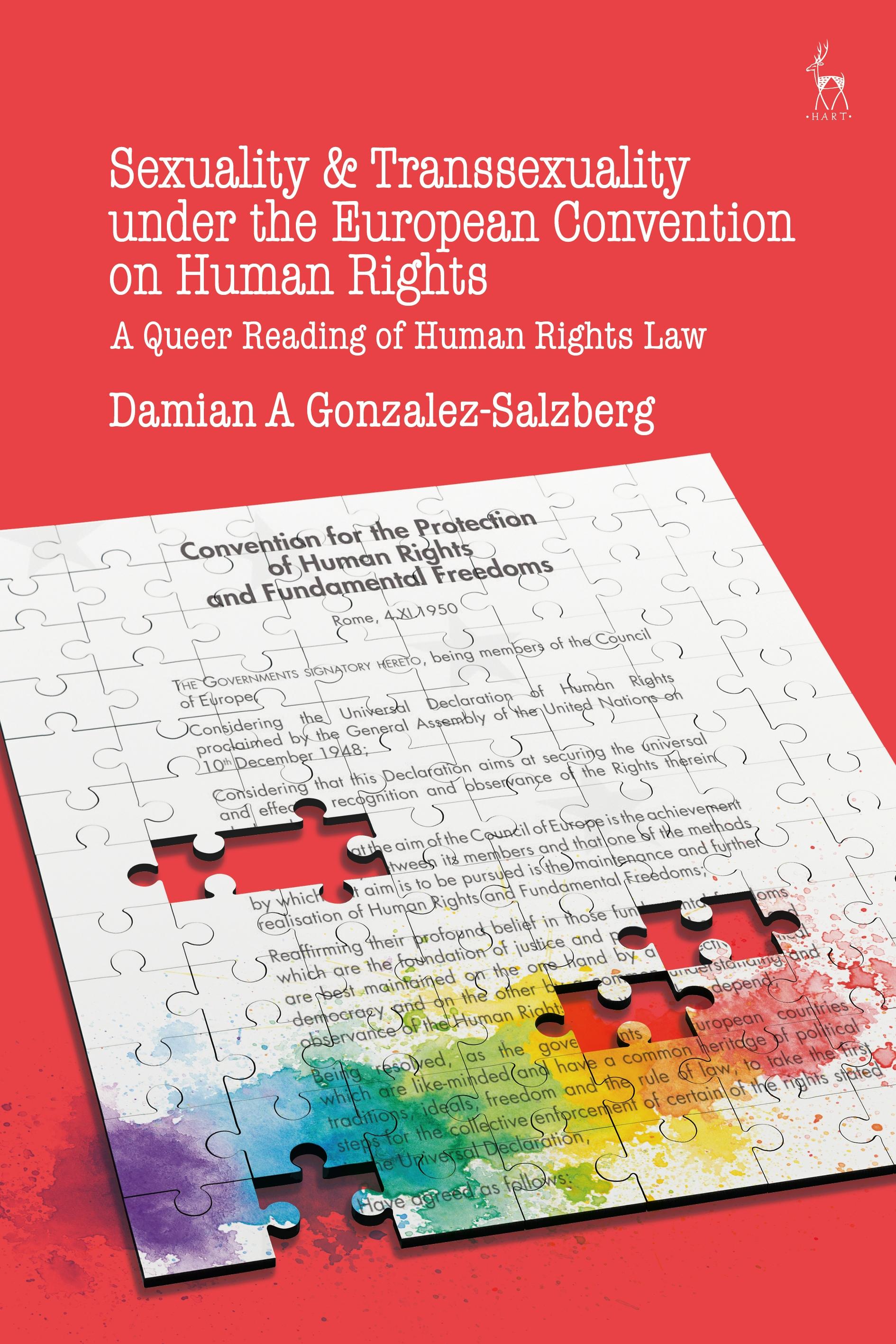
This book undertakes a critical analysis of international human rights law through the lens of queer theory. It pursues two main aims: first, to make use of queer theory to illustrate that the field of human rights law is underpinned by several assumptions that determine a conception of the subject that is gendered and sexual in specific ways. This gives rise to multiple legal and social consequences, some of which challenge the very idea of universality of human rights. Second, the book proposes that human rights law can actually benefit from a better understanding of queer critiques, since queer insights can help it to overcome heteronormative beliefs currently held. In order to achieve these main aims, the book focuses on the case law of the European Court of Human Rights, the leading legal authority in the field of international human rights law. The use of queer theory as the theoretical approach for these tasks serves to deconstruct several aspects of the Court's jurisprudence dealing with gender, sexuality, and kinship, to later suggest potential paths to reconstruct such features in a queer(er) and more universal manner.
Maksa helposti kortilla, Klarnalla, Apple Paylla tai Google Paylla. Etkö ole tyytyväinen? Sinulla on aina 14 päivän palautusoikeus. Lue lisää ehdoistamme. Jos sinulla on kysyttävää, lähetä meille sähköpostia osoitteeseen hello@memmo.org.
Memmo tekee opiskelusta helpompaa – missä päin maailmaa ikinä oletkin. Meillä yhdistät kurssikirjat ja fiksut opiskelutyökalut yhteen paikkaan: tiivistelmät, visat, podcastit ja muistikortit. Ja sitten Ted, opiskelukaverisi, joka vastaa kaikkeen, mitä ikinä mietitkin. Yli 50 000 opiskelijaa opiskelee jo täällä – rakennettu auttamaan sinua oppimaan nopeammin ja stressaamaan vähemmän.