
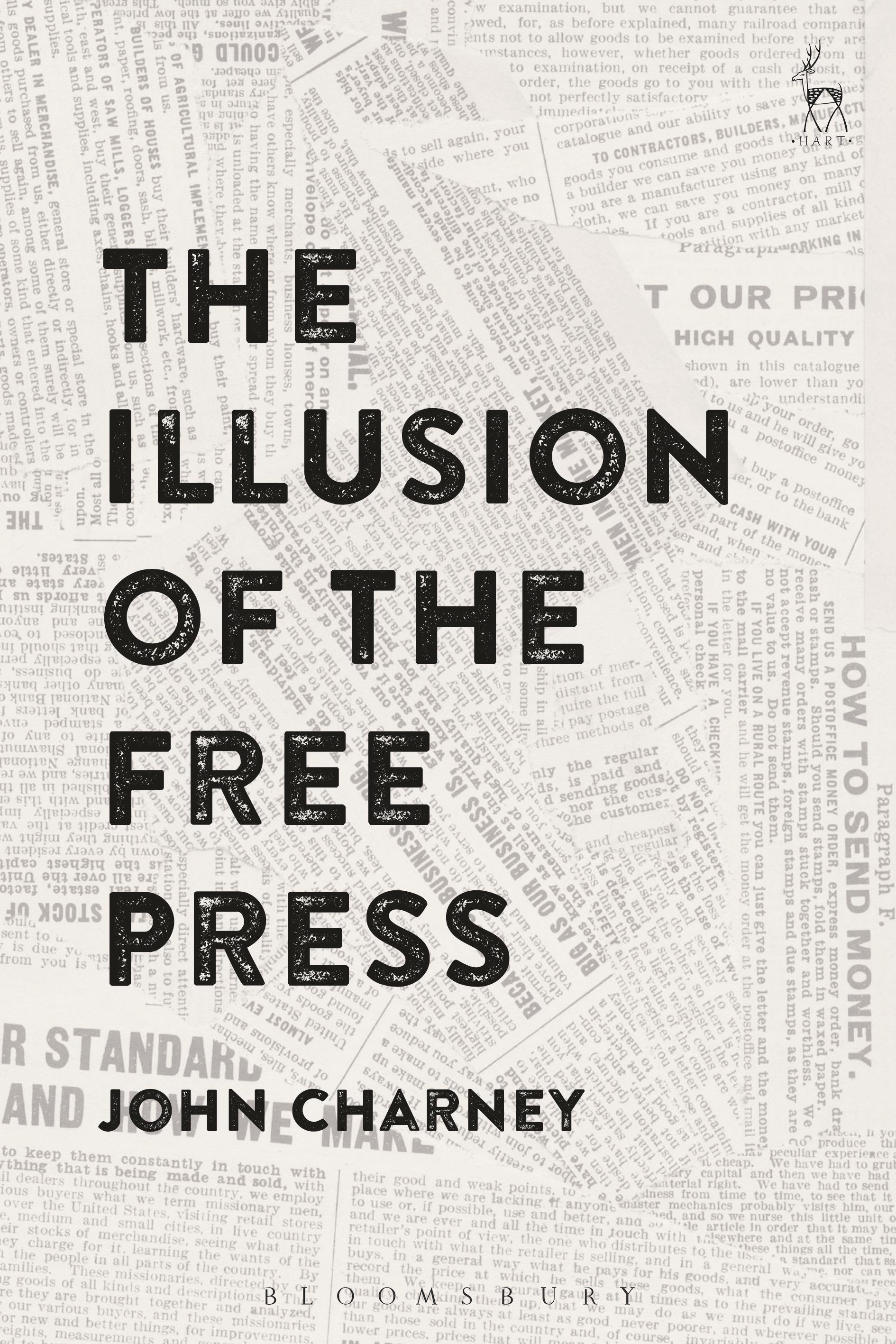
This book explores the relationship between truth and freedom in the free press. It argues that the relationship is problematic because the free press implies a competition between plural ideas, whereas truth is univocal. Based on this tension the book claims that the idea of a free press is premised on an epistemological illusion. This illusion enables society to maintain that the world it perceives through the press corresponds to the world as it actually exists, explaining why defenders of the free press continue to rely on its capacity to discover the truth, despite economic conditions and technological innovations undermining much of its independence. The book invites the reader to reconsider the philosophical foundations, constitutional justifications, and structure and functions of the free press, and whether the institution can, in fact, realise both freedom and truth. It will be of great interest to anyone concerned in the role and value of the free press in the modern world.
Maksa helposti kortilla, Klarnalla, Apple Paylla tai Google Paylla. Etkö ole tyytyväinen? Sinulla on aina 14 päivän palautusoikeus. Lue lisää ehdoistamme. Jos sinulla on kysyttävää, lähetä meille sähköpostia osoitteeseen hello@memmo.org.
Memmo tekee opiskelusta helpompaa – missä päin maailmaa ikinä oletkin. Meillä yhdistät kurssikirjat ja fiksut opiskelutyökalut yhteen paikkaan: tiivistelmät, visat, podcastit ja muistikortit. Ja sitten Ted, opiskelukaverisi, joka vastaa kaikkeen, mitä ikinä mietitkin. Yli 50 000 opiskelijaa opiskelee jo täällä – rakennettu auttamaan sinua oppimaan nopeammin ja stressaamaan vähemmän.