
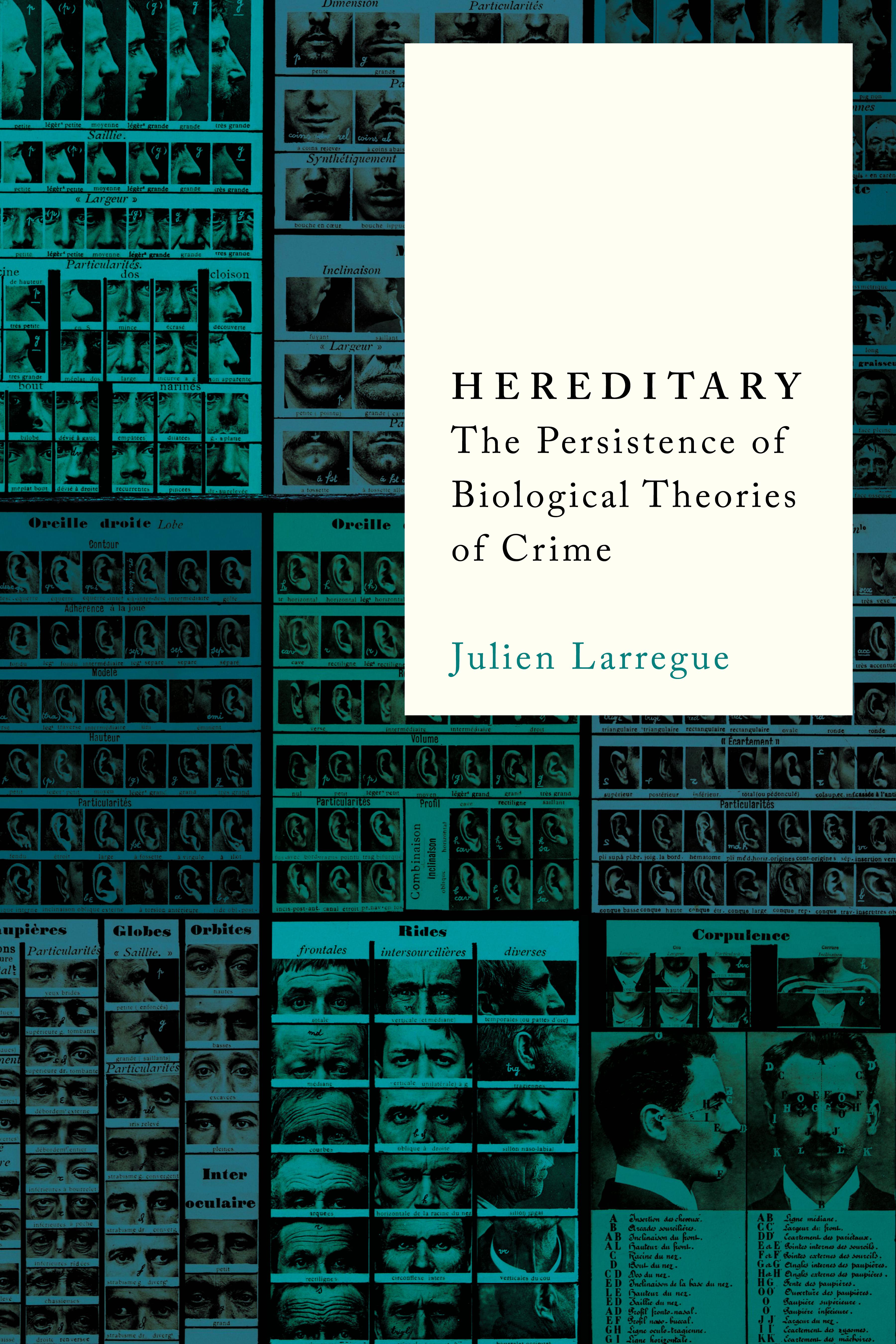
Since the 1990s, a growing number of criminal courts around the world have been using expert assessments based on behavioral genetics and neuroscience to evaluate the responsibility and dangerousness of offenders. Despite this rapid circulation, however, we still know very little about the scientific knowledge underlying these expert evaluations. Hereditary traces the historical development of biosocial criminology in the United States from the 1960s to the present, showing how the fate of this movement is intimately linked to that of the field of criminology as a whole. In claiming to identify the biological and environmental causes of so-called "antisocial" behaviors, biosocial criminologists are redefining the boundary between the normal and the pathological. Julien Larregue examines what is at stake in the development of biosocial criminology. Beyond the origins of delinquency, Larregue addresses the reconfiguration of expertise in contemporary societies, and in particular the territorial struggles between the medical and legal professions. For if the causes of crime are both biological and social, its treatment may call for medical as well as legal solutions.
Maksa helposti kortilla, Klarnalla, Apple Paylla tai Google Paylla. Etkö ole tyytyväinen? Sinulla on aina 14 päivän palautusoikeus. Lue lisää ehdoistamme. Jos sinulla on kysyttävää, lähetä meille sähköpostia osoitteeseen hello@memmo.org.
Memmo tekee opiskelusta helpompaa – missä päin maailmaa ikinä oletkin. Meillä yhdistät kurssikirjat ja fiksut opiskelutyökalut yhteen paikkaan: tiivistelmät, visat, podcastit ja muistikortit. Ja sitten Ted, opiskelukaverisi, joka vastaa kaikkeen, mitä ikinä mietitkin. Yli 50 000 opiskelijaa opiskelee jo täällä – rakennettu auttamaan sinua oppimaan nopeammin ja stressaamaan vähemmän.