
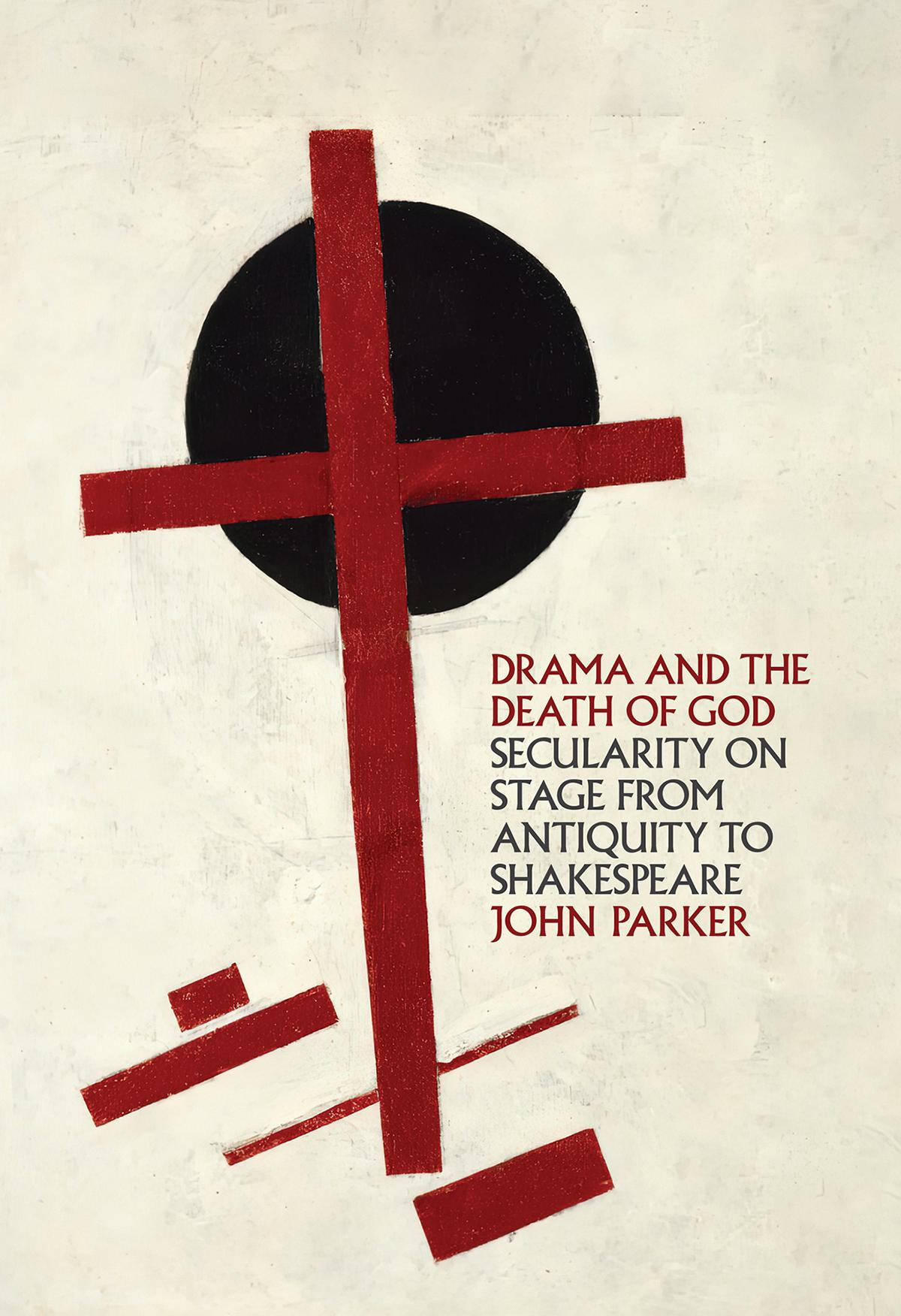
In Drama and the Death of God, John Parker argues that the secularity often associated with Shakespeare inspired a variety of performances going back to antiquity. Scripture presupposes, even needs, the existence of a worldly sphere inimical to faith: known as the saeculum, this finite domain of appetite and unbelief invited both condemnation and celebration throughout medieval Christendom, as exemplified by the songs and plays of the Carmina Burana. After the tenth century, Christians routinely impersonated unbelievers in music dramas connected to the high holidays so that they might question biblical truths, especially the authenticity of miracles. The church generated by this means a vision of the godless world that modernity stepped into. After the English Reformation, when Europe's first commercial theaters arose on ruined monastic estates, players continued to showcase how divine intervention could be staged by humans in the absence of God. King Lear in particular explores the ancient proposition that the saeculum holds no inherent meaning and is capable of generating only pseudomiraculous spectacles to salve the ache of existence.
Maksa helposti kortilla, Klarnalla, Apple Paylla tai Google Paylla. Etkö ole tyytyväinen? Sinulla on aina 14 päivän palautusoikeus. Lue lisää ehdoistamme. Jos sinulla on kysyttävää, lähetä meille sähköpostia osoitteeseen hello@memmo.org.
Memmo tekee opiskelusta helpompaa – missä päin maailmaa ikinä oletkin. Meillä yhdistät kurssikirjat ja fiksut opiskelutyökalut yhteen paikkaan: tiivistelmät, visat, podcastit ja muistikortit. Ja sitten Ted, opiskelukaverisi, joka vastaa kaikkeen, mitä ikinä mietitkin. Yli 50 000 opiskelijaa opiskelee jo täällä – rakennettu auttamaan sinua oppimaan nopeammin ja stressaamaan vähemmän.