
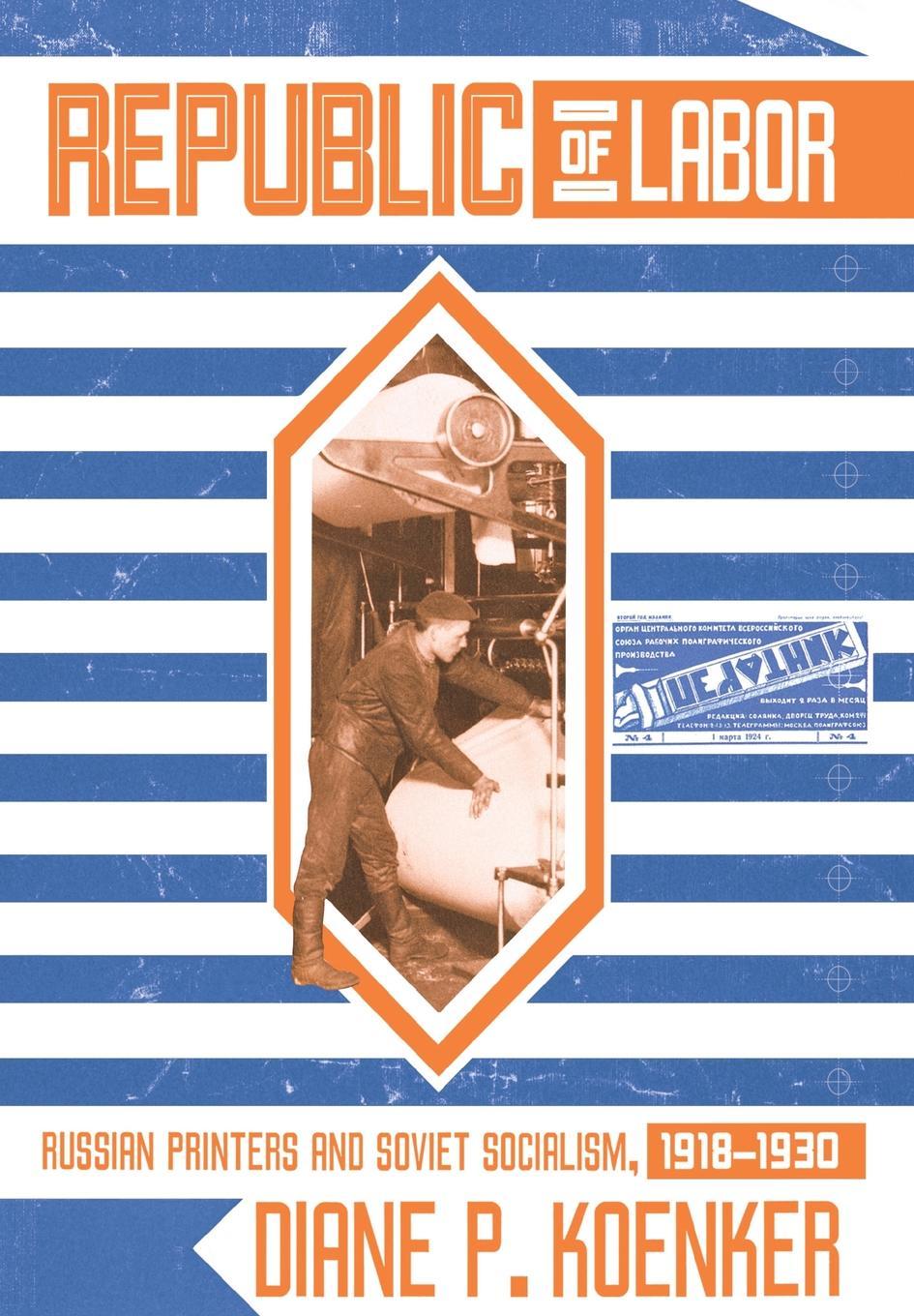
The long decade from the October Revolution to 1930 was the beginning of a great experiment to create a socialist society. Throughout these years, socialist trade unions attempted to transform the Russian worker into a productive and enthusiastic participant in this new order. How did the workers themselves react to these efforts? To what extent were they and their culture transformed into the ideal forms proclaimed in the official ideology?
In Republic of Labor, Diane P. Koenker illuminates the lived experience of Russia's printers, workers who differed from their comrades because of their skill and higher wages, but who shared the same challenges of economic hardship and dangerous conditions. Paying close attention to the links between work, politics, and the everyday, the author focuses on workers' efforts to define their place in socialist society. Gender issues are also emphasized, and here we see the persistence of a masculinist working-class culture counterposed to an official culture promoting gender equality. Through this engaging narrative, Koenker develops a highly original discourse about class in Soviet society that will interest all students of Russian history as well as those readers who wish to reinvigorate class as a historical and sociological tool of analysis.
Maksa helposti kortilla, Klarnalla, Apple Paylla tai Google Paylla. Etkö ole tyytyväinen? Sinulla on aina 14 päivän palautusoikeus. Lue lisää ehdoistamme. Jos sinulla on kysyttävää, lähetä meille sähköpostia osoitteeseen hello@memmo.org.
Memmo tekee opiskelusta helpompaa – missä päin maailmaa ikinä oletkin. Meillä yhdistät kurssikirjat ja fiksut opiskelutyökalut yhteen paikkaan: tiivistelmät, visat, podcastit ja muistikortit. Ja sitten Ted, opiskelukaverisi, joka vastaa kaikkeen, mitä ikinä mietitkin. Yli 50 000 opiskelijaa opiskelee jo täällä – rakennettu auttamaan sinua oppimaan nopeammin ja stressaamaan vähemmän.