
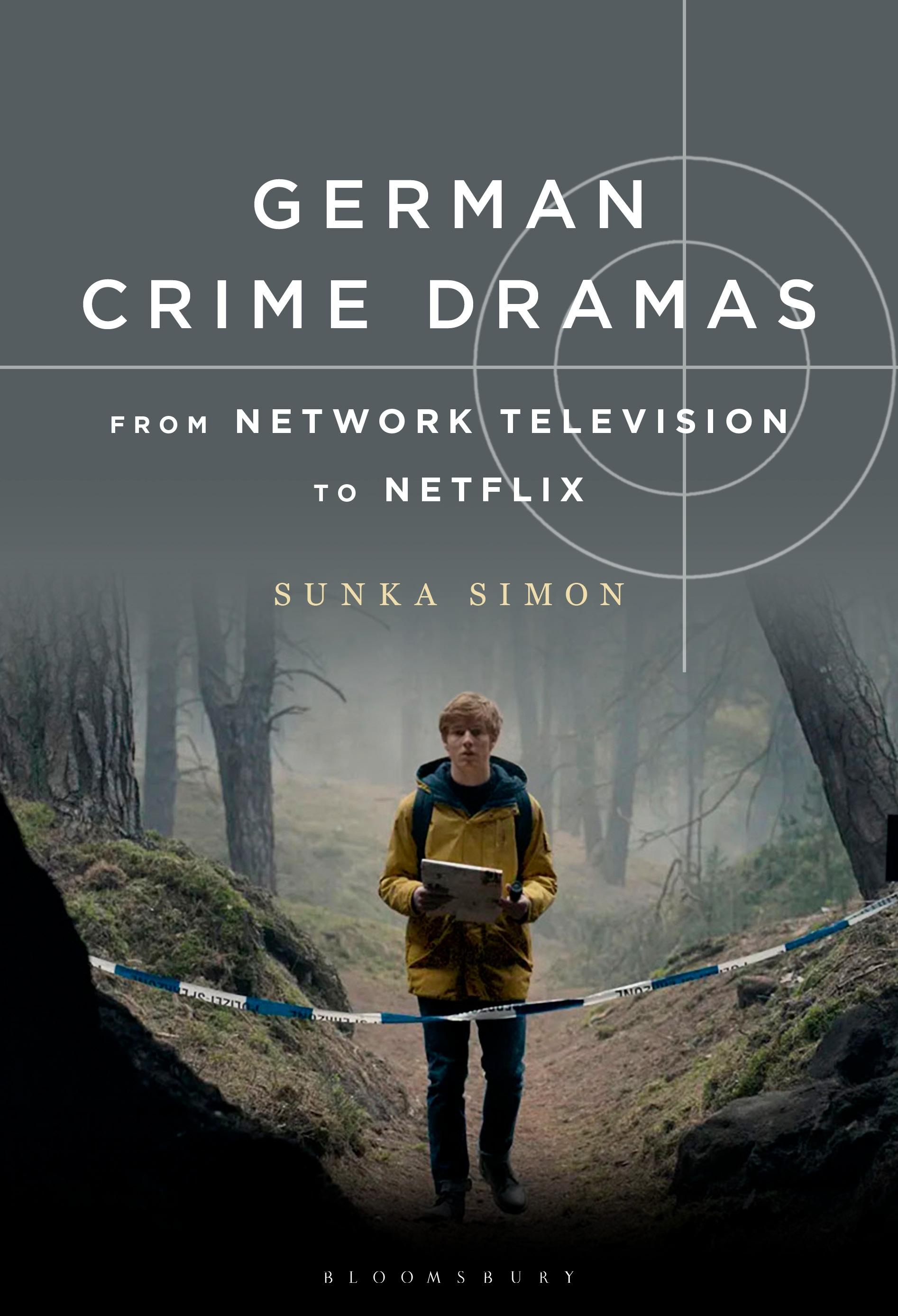
German Crime Dramas from Network Television to Netflix approaches German television crime dramas to uncover the intersections between the genre's media-specific network and post-network formats and how these negotiate with and contribute to concepts of the regional, national, and global.
Part I concentrates on the ARD network's long-running flagship series Tatort (Crime Scene 1970-). Because the domestically produced crime drama succeeded in interacting with and competing against dominant U.S. formats during 3 different mediascapes, it offers strategic lessons for post-network television. Situating 9 Tatort episodes in their televisual moment within the Sunday evening flow over 38 years and 3 different German regions reveals how producers, writers, directors, critics, and audiences interacted not only with the cultural socio-political context, but also responded to the challenges aesthetically, narratively, and media-reflexively.
Part II explores how post-2017 German crime dramas (Babylon Berlin, Dark, Perfume, and Dogs of Berlin) rework the genre's formal and narrative conventions for global circulation on Netflix. Each chapter concentrates on the dynamic interplay between time-shifted viewing, transmedia storytelling, genre hybridity, and how these interact with projections of cultural specificity and continue or depart from established network practices. The results offer crucial information and inspiration for producers and executives, for creative teams, program directors, and television scholars.
Part I concentrates on the ARD network's long-running flagship series Tatort (Crime Scene 1970-). Because the domestically produced crime drama succeeded in interacting with and competing against dominant U.S. formats during 3 different mediascapes, it offers strategic lessons for post-network television. Situating 9 Tatort episodes in their televisual moment within the Sunday evening flow over 38 years and 3 different German regions reveals how producers, writers, directors, critics, and audiences interacted not only with the cultural socio-political context, but also responded to the challenges aesthetically, narratively, and media-reflexively.
Part II explores how post-2017 German crime dramas (Babylon Berlin, Dark, Perfume, and Dogs of Berlin) rework the genre's formal and narrative conventions for global circulation on Netflix. Each chapter concentrates on the dynamic interplay between time-shifted viewing, transmedia storytelling, genre hybridity, and how these interact with projections of cultural specificity and continue or depart from established network practices. The results offer crucial information and inspiration for producers and executives, for creative teams, program directors, and television scholars.
Maksa helposti kortilla, Klarnalla, Apple Paylla tai Google Paylla. Etkö ole tyytyväinen? Sinulla on aina 14 päivän palautusoikeus. Lue lisää ehdoistamme. Jos sinulla on kysyttävää, lähetä meille sähköpostia osoitteeseen hello@memmo.org.
Memmo tekee opiskelusta helpompaa – missä päin maailmaa ikinä oletkin. Meillä yhdistät kurssikirjat ja fiksut opiskelutyökalut yhteen paikkaan: tiivistelmät, visat, podcastit ja muistikortit. Ja sitten Ted, opiskelukaverisi, joka vastaa kaikkeen, mitä ikinä mietitkin. Yli 50 000 opiskelijaa opiskelee jo täällä – rakennettu auttamaan sinua oppimaan nopeammin ja stressaamaan vähemmän.