
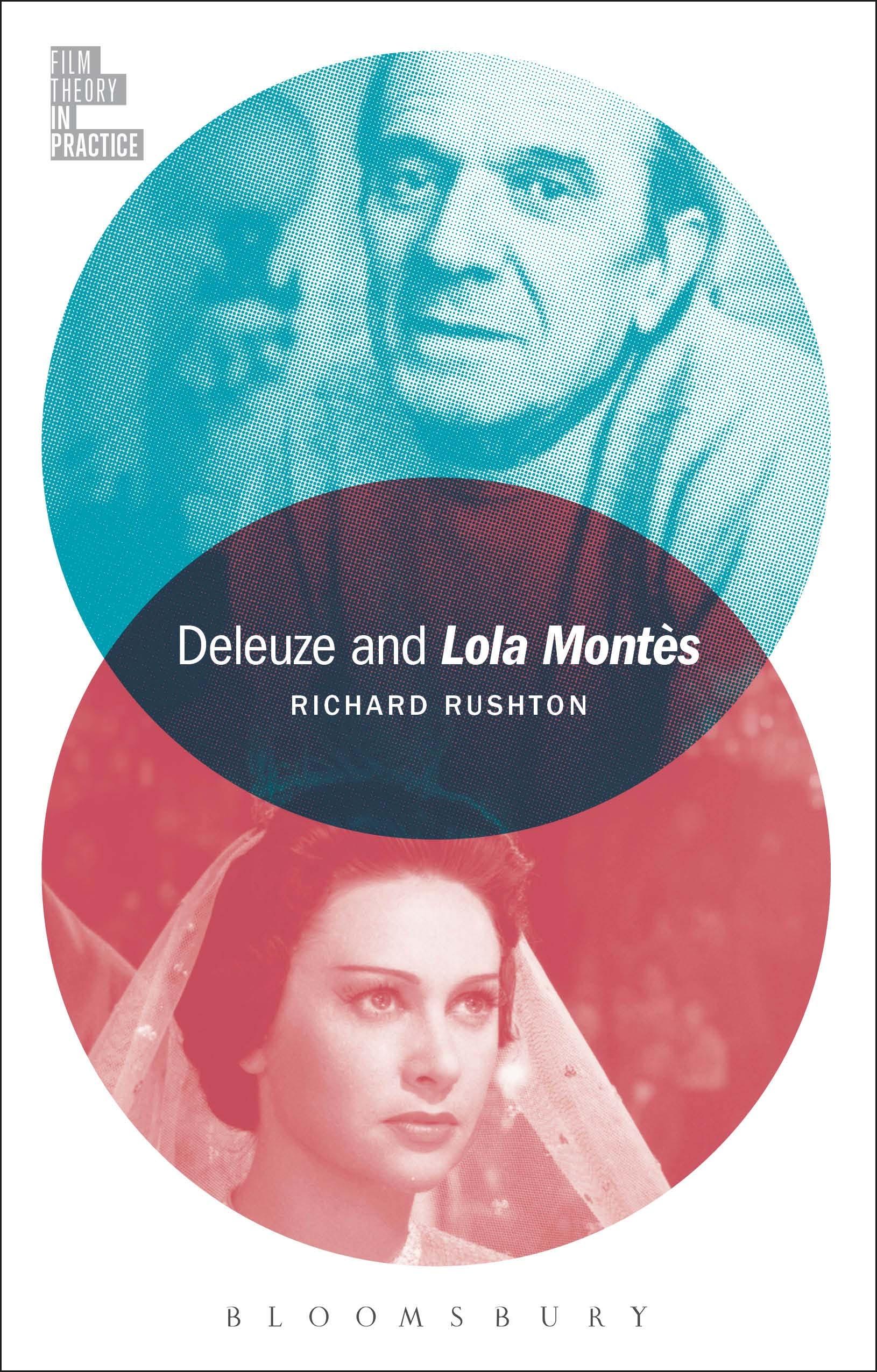
Gilles Deleuze represents the most widely referenced theorist of cinema today. And yet, even the most rudimentary pillars of his thought remain mysterious to most students (and even many scholars) of film studies.
From one of the foremost theorists following Deleuze in the world today, Deleuze and Lola Montès offers a detailed explication of Gilles Deleuze's writings on film – from his books Cinema 1: The Movement-Image (1983) and Cinema 2: The Time-Image (1985). Building on this foundation, Rushton provides an interpretation of Max Ophuls's classic film Lola Montès as an example of how Deleuzian film theory can function in the practice of film interpretation.
From one of the foremost theorists following Deleuze in the world today, Deleuze and Lola Montès offers a detailed explication of Gilles Deleuze's writings on film – from his books Cinema 1: The Movement-Image (1983) and Cinema 2: The Time-Image (1985). Building on this foundation, Rushton provides an interpretation of Max Ophuls's classic film Lola Montès as an example of how Deleuzian film theory can function in the practice of film interpretation.
Maksa helposti kortilla, Klarnalla, Apple Paylla tai Google Paylla. Etkö ole tyytyväinen? Sinulla on aina 14 päivän palautusoikeus. Lue lisää ehdoistamme. Jos sinulla on kysyttävää, lähetä meille sähköpostia osoitteeseen hello@memmo.org.
Memmo tekee opiskelusta helpompaa – missä päin maailmaa ikinä oletkin. Meillä yhdistät kurssikirjat ja fiksut opiskelutyökalut yhteen paikkaan: tiivistelmät, visat, podcastit ja muistikortit. Ja sitten Ted, opiskelukaverisi, joka vastaa kaikkeen, mitä ikinä mietitkin. Yli 50 000 opiskelijaa opiskelee jo täällä – rakennettu auttamaan sinua oppimaan nopeammin ja stressaamaan vähemmän.