
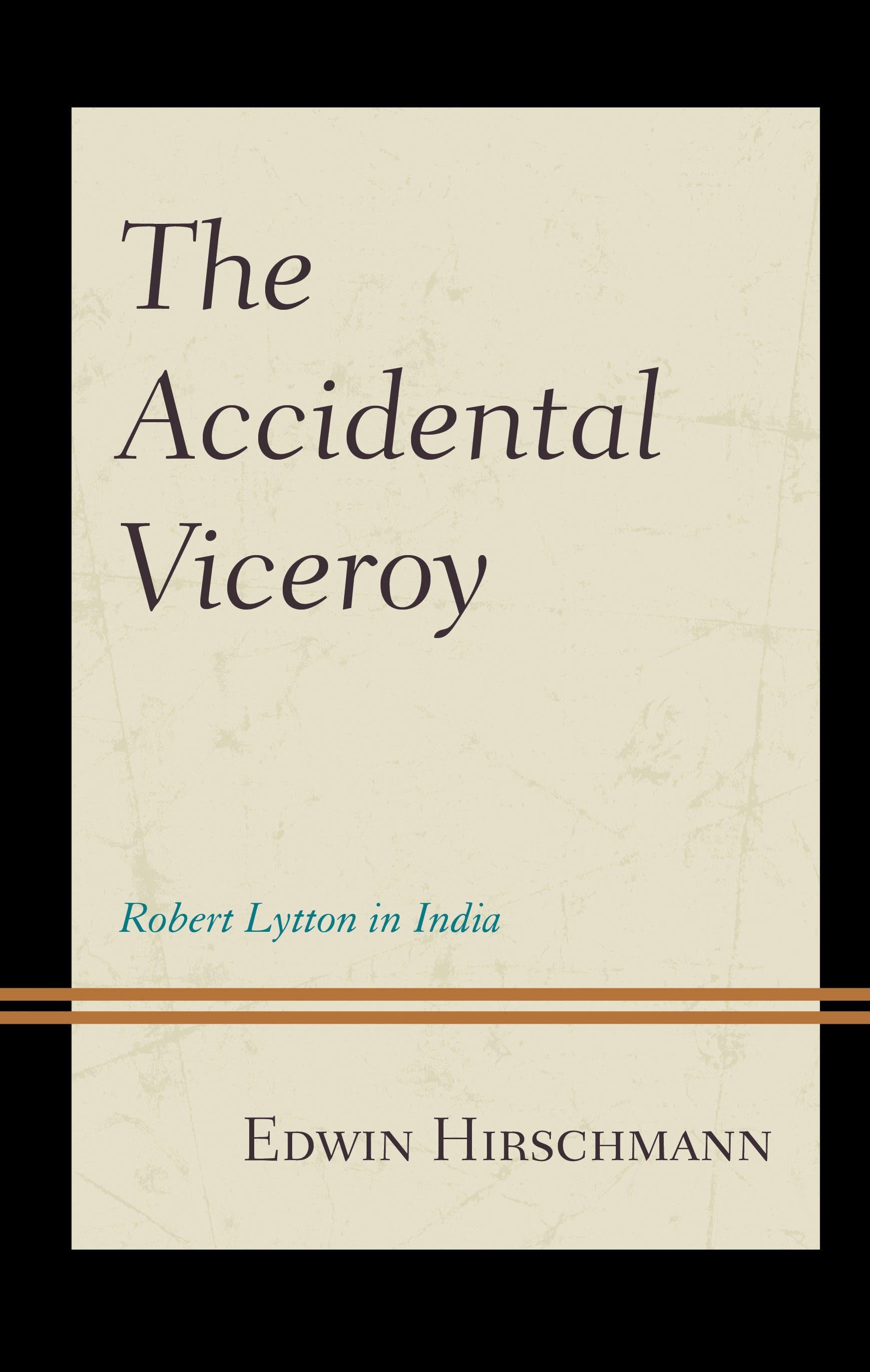
The Age of Imperialism reached its peak in the late nineteenth century. The British Empire was the foremost colonial power, and the keystone was India. However, even at its peak, the British Raj was beset by internal rivalries and fears of external threats. In 1875, British Prime Minister Benjamin Disraeli chose as viceroy Lord Robert Bulwer-Lytton, diplomat and poet, the son of an old friend, but someone with no Indian experience. Lytton accepted reluctantly—and never enjoyed it. He was under the thumb of the Secretary of State for India, the shrewd and ambitious Third Marquess of Salisbury, during most of his four years in India. During his viceroyalty, Lytton had to deal with shifting British policies, a major famine, the freedom-loving people of Afghanistan, an entrenched civil service, and a rising generation of patriotic Indians. In the 1880 elections, Disraeli’s Conservatives were defeated by Gladstone’s Liberals, and Lytton resigned.
Maksa helposti kortilla, Klarnalla, Apple Paylla tai Google Paylla. Etkö ole tyytyväinen? Sinulla on aina 14 päivän palautusoikeus. Lue lisää ehdoistamme. Jos sinulla on kysyttävää, lähetä meille sähköpostia osoitteeseen hello@memmo.org.
Memmo tekee opiskelusta helpompaa – missä päin maailmaa ikinä oletkin. Meillä yhdistät kurssikirjat ja fiksut opiskelutyökalut yhteen paikkaan: tiivistelmät, visat, podcastit ja muistikortit. Ja sitten Ted, opiskelukaverisi, joka vastaa kaikkeen, mitä ikinä mietitkin. Yli 50 000 opiskelijaa opiskelee jo täällä – rakennettu auttamaan sinua oppimaan nopeammin ja stressaamaan vähemmän.