
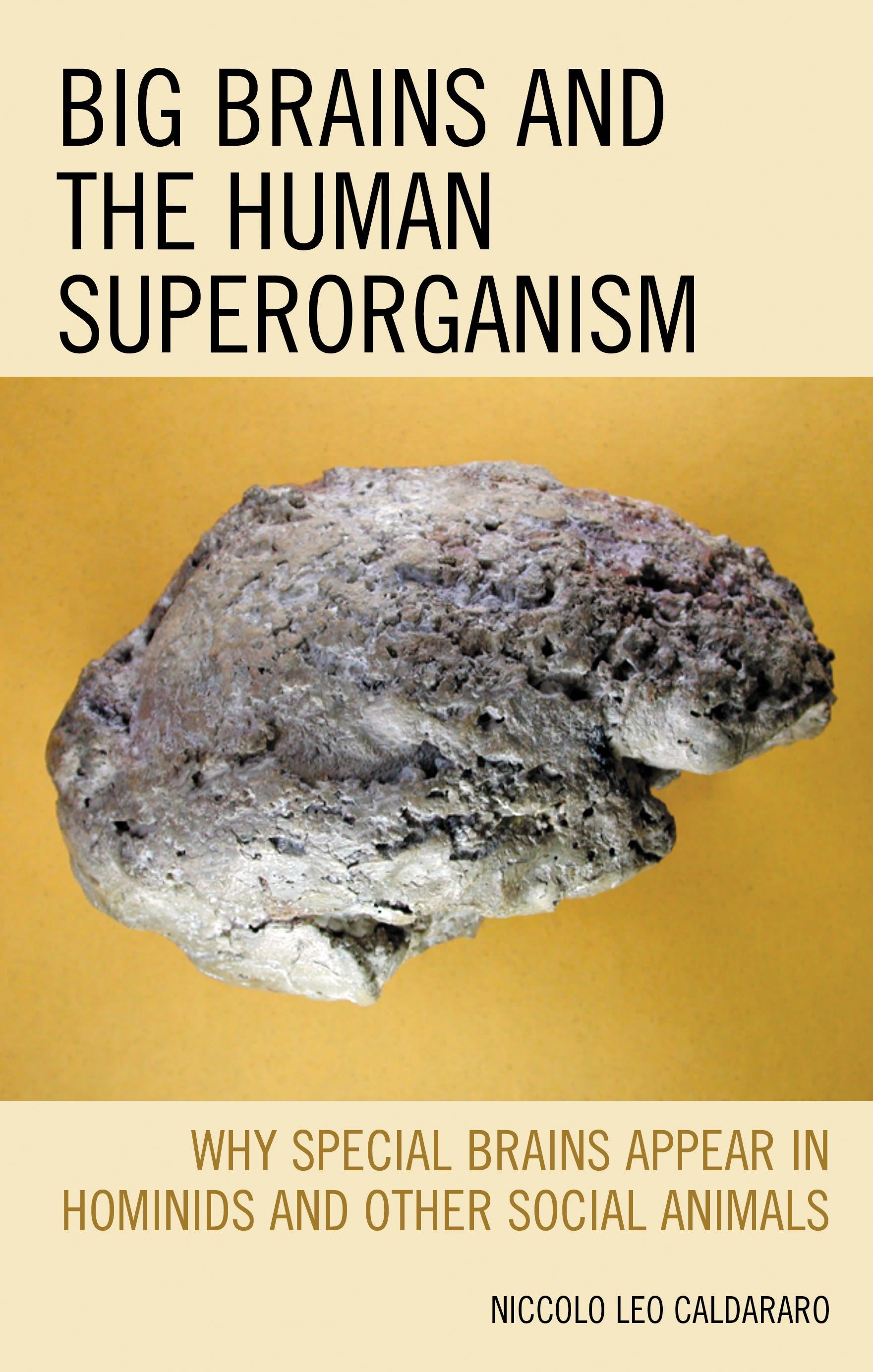
This book examines why humans have big brains, what big brains enable us to do, and how specialized brains are associated with eusociality in animals. It explores why brains expanded so slowly, and then why they stopped growing. This book whittles down the theories on brain size evolution to a few that represent testable hypotheses to identify logical and practical explanations for the phenomenon. At the core of this book is data derived from original, previously unpublished research on brain size in a number of social mammals. This data supports the idea that evolution of the brain in humans is the result of social interaction. This book also traces the products of the social brain: ideology, religion, urban life, housing, and learning and adapting to dense complex social interactions. It uniquely compares brain evolution in social animals across the animal kingdom, and examines the nature of the human brain and its evolution within the social and historical context of complex human social structures.
Maksa helposti kortilla, Klarnalla, Apple Paylla tai Google Paylla. Etkö ole tyytyväinen? Sinulla on aina 14 päivän palautusoikeus. Lue lisää ehdoistamme. Jos sinulla on kysyttävää, lähetä meille sähköpostia osoitteeseen hello@memmo.org.
Memmo tekee opiskelusta helpompaa – missä päin maailmaa ikinä oletkin. Meillä yhdistät kurssikirjat ja fiksut opiskelutyökalut yhteen paikkaan: tiivistelmät, visat, podcastit ja muistikortit. Ja sitten Ted, opiskelukaverisi, joka vastaa kaikkeen, mitä ikinä mietitkin. Yli 50 000 opiskelijaa opiskelee jo täällä – rakennettu auttamaan sinua oppimaan nopeammin ja stressaamaan vähemmän.