
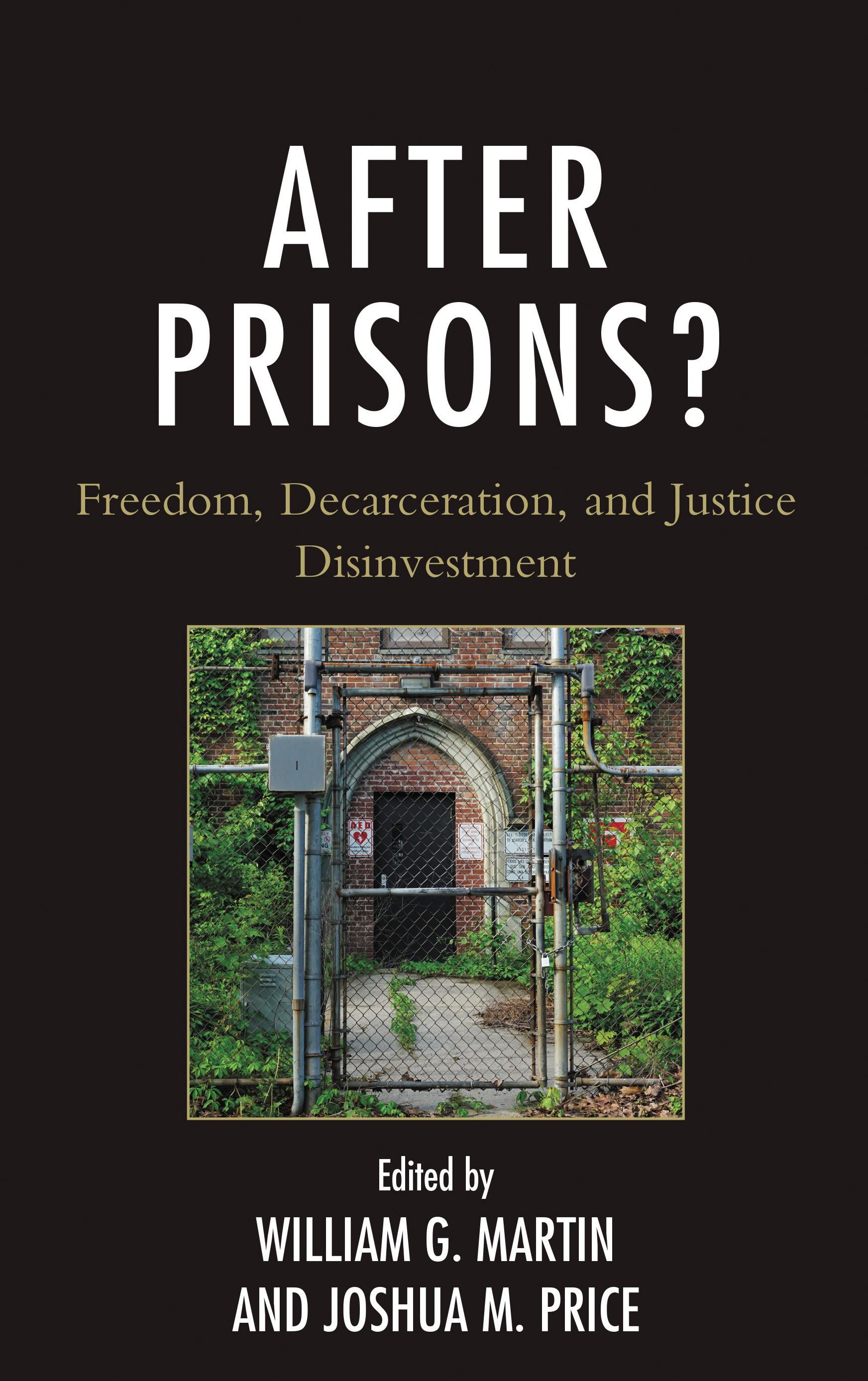
As recently as five years ago mass incarceration was widely considered to be a central, permanent feature of the political and social landscape. The number of people in U.S. prisons is still without historic parallel anywhere in the world or in U.S. history. But in the last few years, the population has decreased, in some states by almost a third. A broad consensus is emerging to reduce prison rolls. Politicians have called for repealing the harshest sentencing laws of the war on drugs, abolishing mandatory minimums and closing correctional facilities. Does the decrease in the prison population herald the dismantling of mass incarceration?
This book provides an answer. Drawing on original research from across New York State, the contributors argue that while massive decarceration is taking place, the outcome to date is not the one wished for by reformers, namely a more just system. While drug law reform is clearly upon us, for example, a moral panic about heroin addiction and phantom meth labs has recently reached a fever pitch. As the penitentiary population drops and prisons close, the number of people in jail has swelled. New intelligence-led policing, and the rise of a reentry industry together have led to more surveillance and less social justice. Together these developments lead to justice disinvestment as the state sheds direct responsibility for the criminal justice system to the private and non-profit sector, while it extends its reach through new forms of community-based supervision, surveillance and policing into poor neighborhoods and communities of color.
Celebration may be premature, in other words. Having endowed a group that is already disproportionately poor and people of color with the stigma of criminality, the state has left the formerly incarcerated and their communities to their fate. The future we face appears to be neither emancipatory reform nor simply the continuation of past mass incarceration. The challenge of freedom, on a scale not seen since the Reconstruction, remains before us.
This book provides an answer. Drawing on original research from across New York State, the contributors argue that while massive decarceration is taking place, the outcome to date is not the one wished for by reformers, namely a more just system. While drug law reform is clearly upon us, for example, a moral panic about heroin addiction and phantom meth labs has recently reached a fever pitch. As the penitentiary population drops and prisons close, the number of people in jail has swelled. New intelligence-led policing, and the rise of a reentry industry together have led to more surveillance and less social justice. Together these developments lead to justice disinvestment as the state sheds direct responsibility for the criminal justice system to the private and non-profit sector, while it extends its reach through new forms of community-based supervision, surveillance and policing into poor neighborhoods and communities of color.
Celebration may be premature, in other words. Having endowed a group that is already disproportionately poor and people of color with the stigma of criminality, the state has left the formerly incarcerated and their communities to their fate. The future we face appears to be neither emancipatory reform nor simply the continuation of past mass incarceration. The challenge of freedom, on a scale not seen since the Reconstruction, remains before us.
Maksa helposti kortilla, Klarnalla, Apple Paylla tai Google Paylla. Etkö ole tyytyväinen? Sinulla on aina 14 päivän palautusoikeus. Lue lisää ehdoistamme. Jos sinulla on kysyttävää, lähetä meille sähköpostia osoitteeseen hello@memmo.org.
Memmo tekee opiskelusta helpompaa – missä päin maailmaa ikinä oletkin. Meillä yhdistät kurssikirjat ja fiksut opiskelutyökalut yhteen paikkaan: tiivistelmät, visat, podcastit ja muistikortit. Ja sitten Ted, opiskelukaverisi, joka vastaa kaikkeen, mitä ikinä mietitkin. Yli 50 000 opiskelijaa opiskelee jo täällä – rakennettu auttamaan sinua oppimaan nopeammin ja stressaamaan vähemmän.