
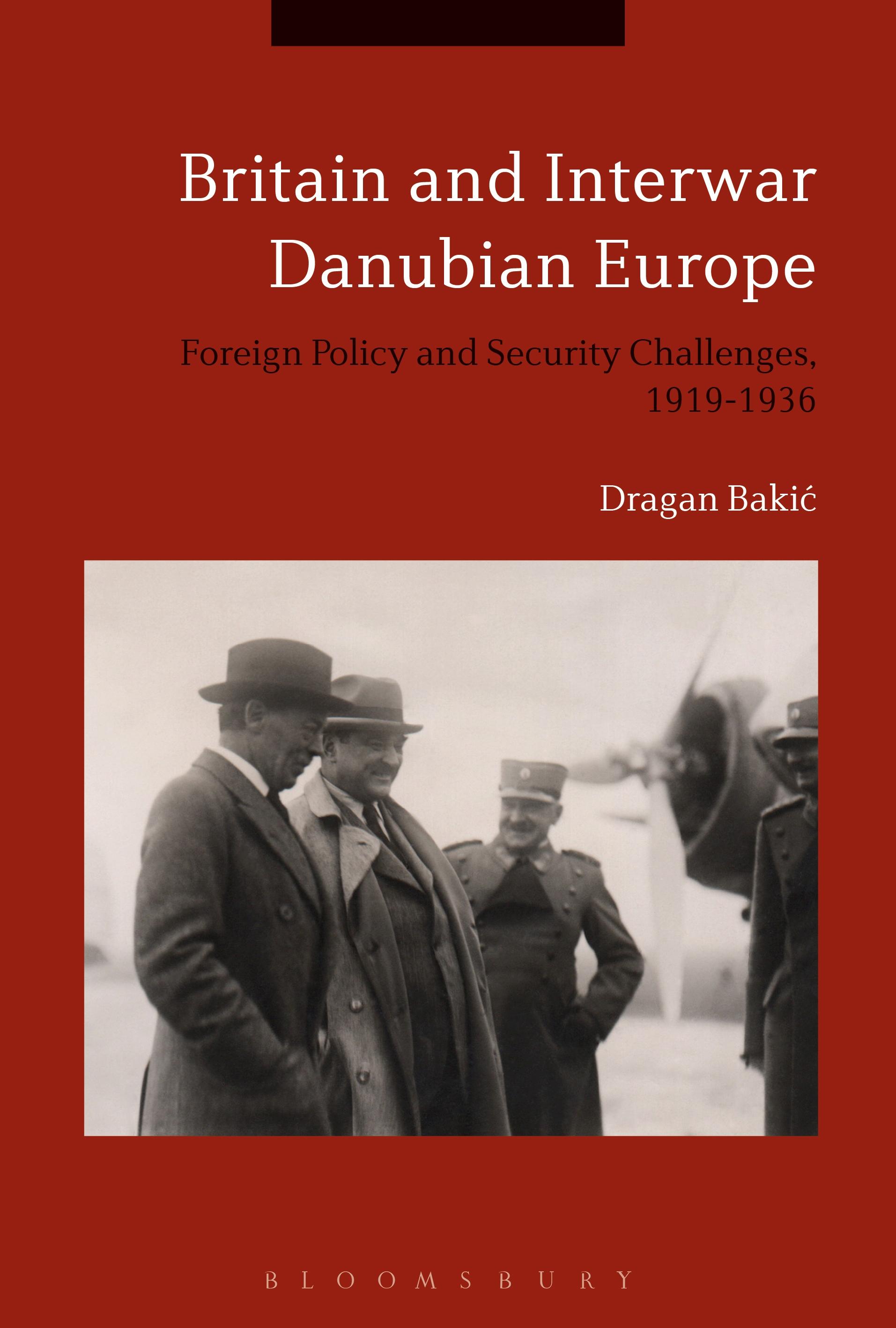
Danubian Europe presented constant and serious security risks for European peace and stability and, for that reason, contrary to conventional wisdom, it commanded the attention of British diplomacy with a view to appeasing local conflicts. Britain and Interwar Danubian Europe examines the manner in which the Foreign Office perceived and treated the antagonism between the Little Entente, comprised of Czechoslovakia, Yugoslavia and Romania, and Hungary, on the one hand, and revisionist Bulgaria and her neighbours in the Balkans, on the other, and the impact that these local conflicts had in connection with Franco-Italian rivalry in Central/South-Eastern Europe.
With Hitler's accession to power, Danubian Europe was viewed in Whitehall in relation to its place in the prospective policy for preserving Austrian independence and containing German aggression. Dragan Bakic argues that the British approach to security problems in Danubian Europe had certain permanent features which stemmed from the general British outlook on the new successor states -the members of the Little Entente- founded on the ruins of the Habsburg monarchy. This book shows that it was the lack of confidence in their stability and permanence, as well as the misperceptions about the motives and intentions of the policies pursued by other Powers towards Central/South-Eastern Europe, which accounted for the apparent sluggishness and ineffectiveness of the Foreign Office's dealings with security challenges.
Based on extensive, original archival research, this is a fascinating volume for any historian keen to know more about the 20th-century history of East-Central Europe or British foreign policy in the interwar years.
With Hitler's accession to power, Danubian Europe was viewed in Whitehall in relation to its place in the prospective policy for preserving Austrian independence and containing German aggression. Dragan Bakic argues that the British approach to security problems in Danubian Europe had certain permanent features which stemmed from the general British outlook on the new successor states -the members of the Little Entente- founded on the ruins of the Habsburg monarchy. This book shows that it was the lack of confidence in their stability and permanence, as well as the misperceptions about the motives and intentions of the policies pursued by other Powers towards Central/South-Eastern Europe, which accounted for the apparent sluggishness and ineffectiveness of the Foreign Office's dealings with security challenges.
Based on extensive, original archival research, this is a fascinating volume for any historian keen to know more about the 20th-century history of East-Central Europe or British foreign policy in the interwar years.
Maksa helposti kortilla, Klarnalla, Apple Paylla tai Google Paylla. Etkö ole tyytyväinen? Sinulla on aina 14 päivän palautusoikeus. Lue lisää ehdoistamme. Jos sinulla on kysyttävää, lähetä meille sähköpostia osoitteeseen hello@memmo.org.
Memmo tekee opiskelusta helpompaa – missä päin maailmaa ikinä oletkin. Meillä yhdistät kurssikirjat ja fiksut opiskelutyökalut yhteen paikkaan: tiivistelmät, visat, podcastit ja muistikortit. Ja sitten Ted, opiskelukaverisi, joka vastaa kaikkeen, mitä ikinä mietitkin. Yli 50 000 opiskelijaa opiskelee jo täällä – rakennettu auttamaan sinua oppimaan nopeammin ja stressaamaan vähemmän.