
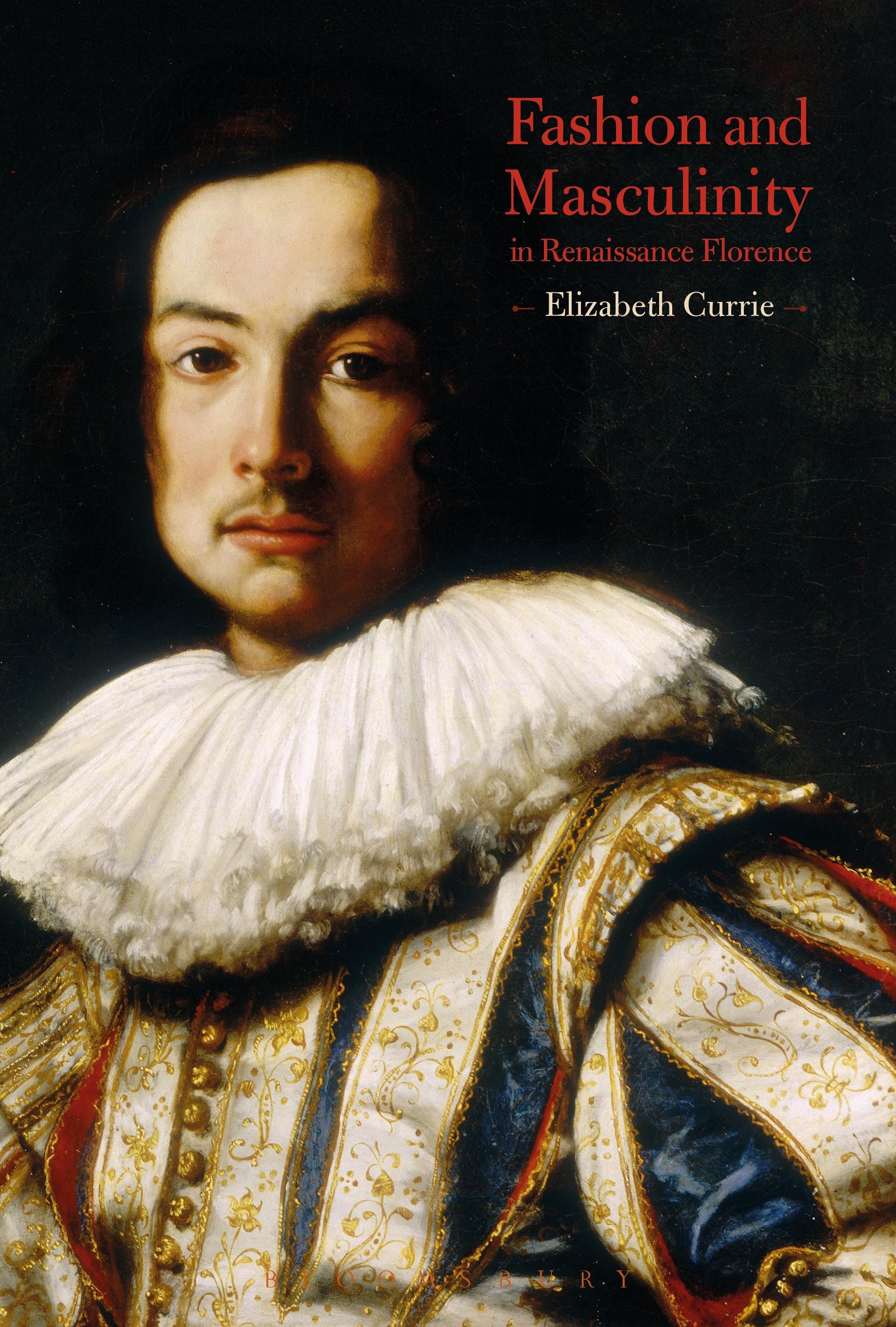
Dress became a testing ground for masculine ideals in Renaissance Italy. With the establishment of the ducal regime in Florence in 1530, there was increasing debate about how to be a nobleman. Was fashionable clothing a sign of magnificence or a source of mockery? Was the graceful courtier virile or effeminate? How could a man dress for court without bankrupting himself? This book explores the whole story of clothing, from the tailor's workshop to spectacular court festivities, to show how the male nobility in one of Italy's main textile production centers used their appearances to project social, sexual, and professional identities.
Sixteenth-century male fashion is often associated with swagger and ostentation but this book shows that Florentine clothing reflected manhood at a much deeper level, communicating a very Italian spectrum of male virtues and vices, from honor, courage, and restraint to luxury and excess. Situating dress at the heart of identity formation, Currie traces these codes through an array of sources, including unpublished archival records, surviving garments, portraiture, poetry, and personal correspondence between the Medici and their courtiers.
Addressing important themes such as gender, politics, and consumption, Fashion and Masculinity in Renaissance Florence sheds fresh light on the sartorial culture of the Florentine court and Italy as a whole.
Sixteenth-century male fashion is often associated with swagger and ostentation but this book shows that Florentine clothing reflected manhood at a much deeper level, communicating a very Italian spectrum of male virtues and vices, from honor, courage, and restraint to luxury and excess. Situating dress at the heart of identity formation, Currie traces these codes through an array of sources, including unpublished archival records, surviving garments, portraiture, poetry, and personal correspondence between the Medici and their courtiers.
Addressing important themes such as gender, politics, and consumption, Fashion and Masculinity in Renaissance Florence sheds fresh light on the sartorial culture of the Florentine court and Italy as a whole.
Maksa helposti kortilla, Klarnalla, Apple Paylla tai Google Paylla. Etkö ole tyytyväinen? Sinulla on aina 14 päivän palautusoikeus. Lue lisää ehdoistamme. Jos sinulla on kysyttävää, lähetä meille sähköpostia osoitteeseen hello@memmo.org.
Memmo tekee opiskelusta helpompaa – missä päin maailmaa ikinä oletkin. Meillä yhdistät kurssikirjat ja fiksut opiskelutyökalut yhteen paikkaan: tiivistelmät, visat, podcastit ja muistikortit. Ja sitten Ted, opiskelukaverisi, joka vastaa kaikkeen, mitä ikinä mietitkin. Yli 50 000 opiskelijaa opiskelee jo täällä – rakennettu auttamaan sinua oppimaan nopeammin ja stressaamaan vähemmän.