
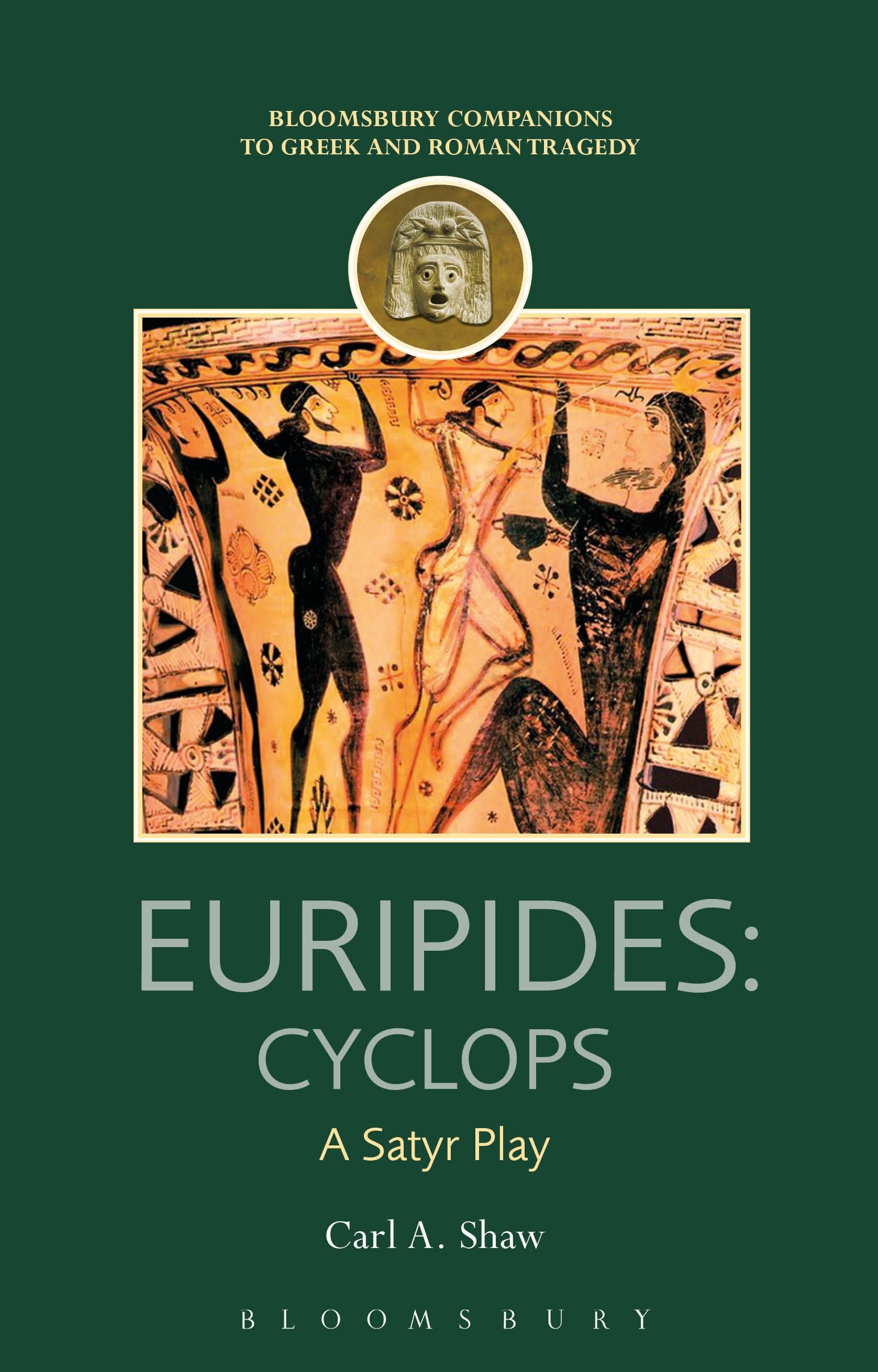
With its ribald chorus of ithyphallic, half-man / half-horse creatures, satyr drama was a peculiar part of the Athenian theatrical experience. Performed three times each year after a trilogy of tragedies, it was an integral part of the 5th- and 4th-century City Dionysia, a large festival in honour of the god Dionysus. Euripides: Cyclops is the first book-length study of this fascinating genre's only complete, extant play, a theatrical version of Odysseus' encounter with the monster Polyphemus.
Shaw begins with a look at the history of the genre, following its development from early 6th-century religious processions up to the Hellenistic era. He then offers a comprehensive analysis of the Cyclops' plot and performance, using the text (alongside ancient literary fragments and visual evidence) to determine the original viewing experience: the stage, masks, costumes, actions and emotions. A detailed examination of the text reveals that Euripides associates and distinguishes his version of the story from previous iterations of the myth, especially book nine of Homer's Odyssey. Euripides handles many of the same themes as his predecessors, but he updates the Cyclops for the Athenian stage, adapting his work to reflect and comment upon contemporary religious, philosophical and literary-musical trends.
Shaw begins with a look at the history of the genre, following its development from early 6th-century religious processions up to the Hellenistic era. He then offers a comprehensive analysis of the Cyclops' plot and performance, using the text (alongside ancient literary fragments and visual evidence) to determine the original viewing experience: the stage, masks, costumes, actions and emotions. A detailed examination of the text reveals that Euripides associates and distinguishes his version of the story from previous iterations of the myth, especially book nine of Homer's Odyssey. Euripides handles many of the same themes as his predecessors, but he updates the Cyclops for the Athenian stage, adapting his work to reflect and comment upon contemporary religious, philosophical and literary-musical trends.
Maksa helposti kortilla, Klarnalla, Apple Paylla tai Google Paylla. Etkö ole tyytyväinen? Sinulla on aina 14 päivän palautusoikeus. Lue lisää ehdoistamme. Jos sinulla on kysyttävää, lähetä meille sähköpostia osoitteeseen hello@memmo.org.
Memmo tekee opiskelusta helpompaa – missä päin maailmaa ikinä oletkin. Meillä yhdistät kurssikirjat ja fiksut opiskelutyökalut yhteen paikkaan: tiivistelmät, visat, podcastit ja muistikortit. Ja sitten Ted, opiskelukaverisi, joka vastaa kaikkeen, mitä ikinä mietitkin. Yli 50 000 opiskelijaa opiskelee jo täällä – rakennettu auttamaan sinua oppimaan nopeammin ja stressaamaan vähemmän.