
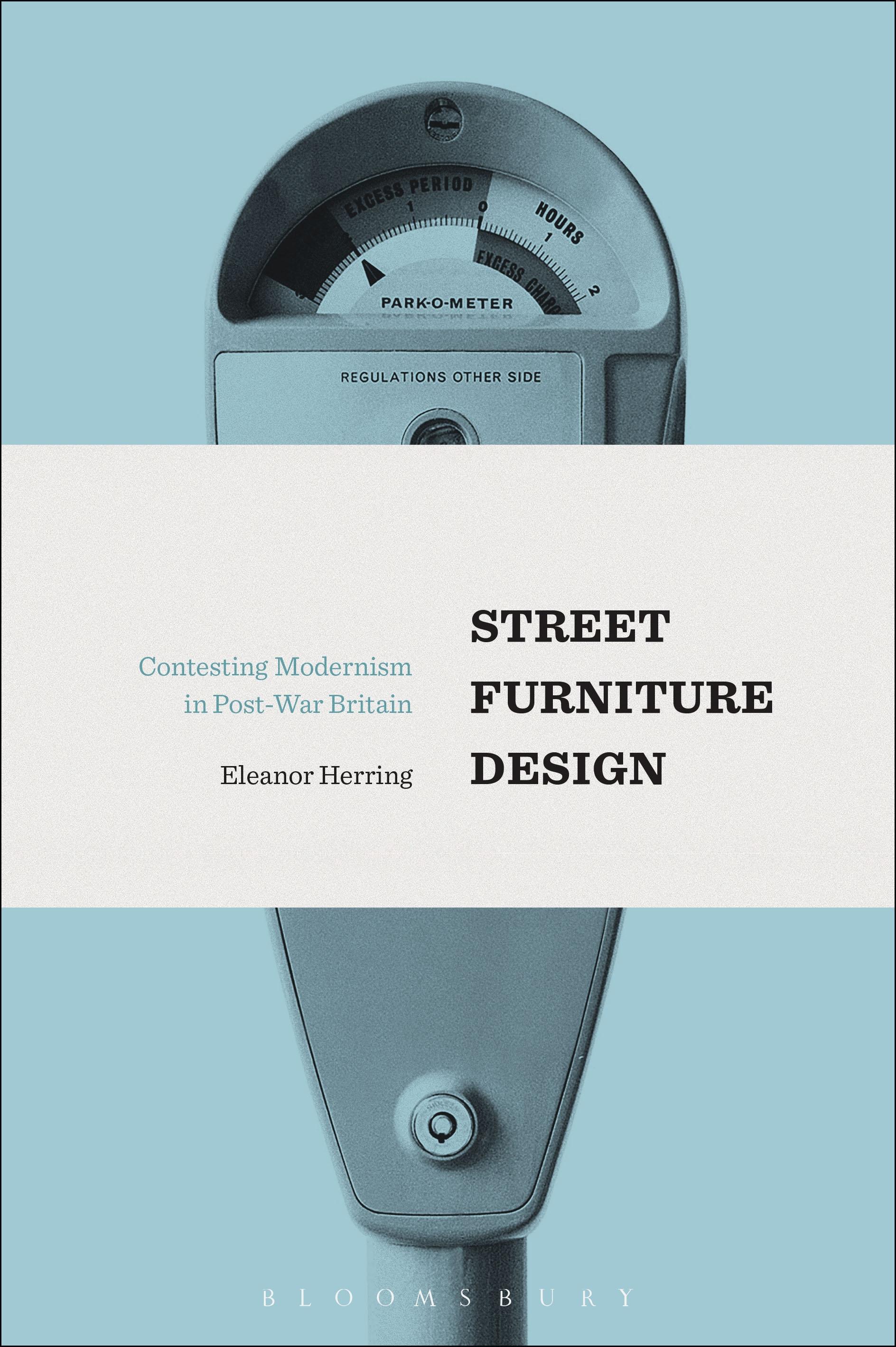
Eleanor Herring's unique study of street furniture in post-war Britain considers how objects which are now familiar parts of our urban environment were designed to populate public spaces. Herring explores the design of lampposts, post boxes, parking meters, and signage in the context of a government backed by various bodies keen to propagate 'good' modern design, in a Britain whose towns and cities had been laid waste by bombing and the privations of war.
She also considers the innate conservatism of local communities and councils, wary of a standardised street design imposed from above. She traces how the design of street furniture became the site of a fierce struggle which exposed deep-seated anxieties about class, taste and power. Herring's original research draws on archival material and on interviews with leading figures in urban design, including graphic designer Margaret Calvert and industrial designer Kenneth Grange.
She also considers the innate conservatism of local communities and councils, wary of a standardised street design imposed from above. She traces how the design of street furniture became the site of a fierce struggle which exposed deep-seated anxieties about class, taste and power. Herring's original research draws on archival material and on interviews with leading figures in urban design, including graphic designer Margaret Calvert and industrial designer Kenneth Grange.
Maksa helposti kortilla, Klarnalla, Apple Paylla tai Google Paylla. Etkö ole tyytyväinen? Sinulla on aina 14 päivän palautusoikeus. Lue lisää ehdoistamme. Jos sinulla on kysyttävää, lähetä meille sähköpostia osoitteeseen hello@memmo.org.
Memmo tekee opiskelusta helpompaa – missä päin maailmaa ikinä oletkin. Meillä yhdistät kurssikirjat ja fiksut opiskelutyökalut yhteen paikkaan: tiivistelmät, visat, podcastit ja muistikortit. Ja sitten Ted, opiskelukaverisi, joka vastaa kaikkeen, mitä ikinä mietitkin. Yli 50 000 opiskelijaa opiskelee jo täällä – rakennettu auttamaan sinua oppimaan nopeammin ja stressaamaan vähemmän.