
What happens when your body doesn't look how it's supposed to look, or feel how it's supposed to feel, or do what it's supposed to do? Who or what defines the ideals behind these expectations? How can we challenge them and live more peacefully in our bodies?
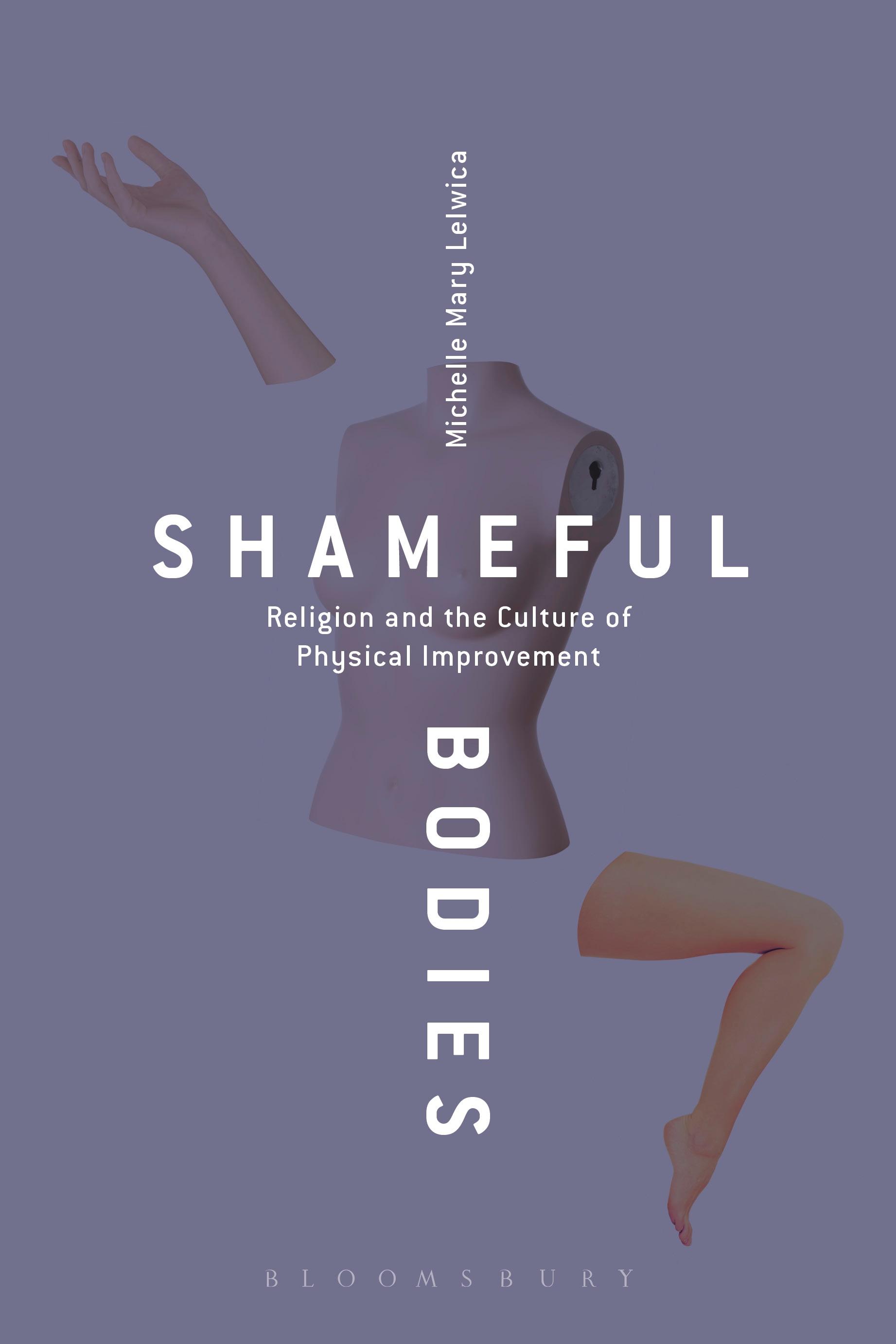
Shameful Bodies: Religion and the Culture of Physical Improvement explores these questions by examining how traditional religious narratives and modern philosophical assumptions come together in the construction and pursuit of a better body in contemporary western societies. Drawing on examples from popular culture such as self-help books, magazines, and advertisements, Michelle Mary Lelwica shows how these narratives and assumptions encourage us to go to war against our bodies-to fight fat, triumph over disability, conquer chronic pain and illness, and defy aging. Through an ethic of conquest and conformity, the culture of physical improvement trains us not only to believe that all bodily processes are under our control, but to feel ashamed about those parts of our flesh that refuse to comply with the cultural ideal. Lelwica argues that such shame is not a natural response to being fat, physically impaired, chronically sick, or old. Rather, body shame is a religiously and culturally conditioned reaction to a commercially-fabricated fantasy of physical perfection.
While Shameful Bodies critiques the religious and cultural norms and narratives that perpetuate external and internalized judgment and aggression toward “shameful” bodies, it also engages the resources of religions, especially feminist theologies and Buddhist thought/practice, to construct a more affirming approach to health and healing-an approach that affirms the diversity, fragility, interdependence, and impermanence of embodied life.
Shameful Bodies: Religion and the Culture of Physical Improvement explores these questions by examining how traditional religious narratives and modern philosophical assumptions come together in the construction and pursuit of a better body in contemporary western societies. Drawing on examples from popular culture such as self-help books, magazines, and advertisements, Michelle Mary Lelwica shows how these narratives and assumptions encourage us to go to war against our bodies-to fight fat, triumph over disability, conquer chronic pain and illness, and defy aging. Through an ethic of conquest and conformity, the culture of physical improvement trains us not only to believe that all bodily processes are under our control, but to feel ashamed about those parts of our flesh that refuse to comply with the cultural ideal. Lelwica argues that such shame is not a natural response to being fat, physically impaired, chronically sick, or old. Rather, body shame is a religiously and culturally conditioned reaction to a commercially-fabricated fantasy of physical perfection.
While Shameful Bodies critiques the religious and cultural norms and narratives that perpetuate external and internalized judgment and aggression toward “shameful” bodies, it also engages the resources of religions, especially feminist theologies and Buddhist thought/practice, to construct a more affirming approach to health and healing-an approach that affirms the diversity, fragility, interdependence, and impermanence of embodied life.
Maksa helposti kortilla, Klarnalla, Apple Paylla tai Google Paylla. Etkö ole tyytyväinen? Sinulla on aina 14 päivän palautusoikeus. Lue lisää ehdoistamme. Jos sinulla on kysyttävää, lähetä meille sähköpostia osoitteeseen hello@memmo.org.
Memmo tekee opiskelusta helpompaa – missä päin maailmaa ikinä oletkin. Meillä yhdistät kurssikirjat ja fiksut opiskelutyökalut yhteen paikkaan: tiivistelmät, visat, podcastit ja muistikortit. Ja sitten Ted, opiskelukaverisi, joka vastaa kaikkeen, mitä ikinä mietitkin. Yli 50 000 opiskelijaa opiskelee jo täällä – rakennettu auttamaan sinua oppimaan nopeammin ja stressaamaan vähemmän.