
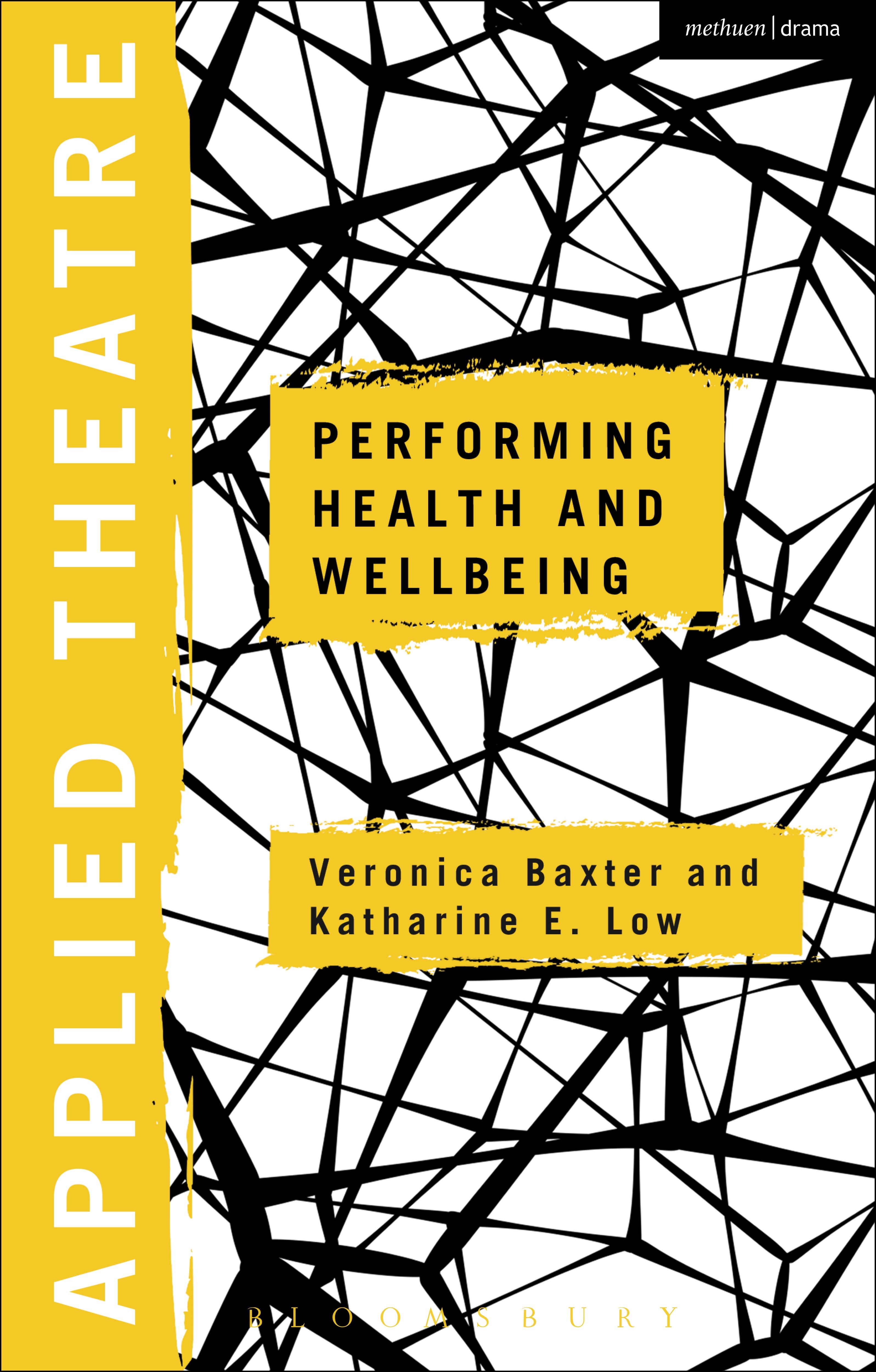
Applied Theatre: Performing Health and Wellbeing is the first volume in the field to address the role that theatre, drama and performance have in relation to promoting, developing and sustaining health and wellbeing in diverse communities. Challenging concepts and understanding of health, wellbeing and illness, it offers insight into different approaches to major health issues through applied performance. With a strong emphasis on the artistry involved in performance-based health responses, situated within a history of the field of practice, the volume is divided into two sections:
Part One examines some of the key questions around research and practice in applied performance in health and wellbeing, specifically addressing the different regional challenges that dominate the provision of health care and influence wellbeing: how the ageing population of the global north creates pressure on lifetime healthcare provision, while the global south is dominated by a higher birth rate and a larger population under 15 years old.
Part Two comprises case studies and interviews from international practitioners that reflect the diversity of practices across the world and in particular differences between work in the northern and southern hemispheres. These case studies include a sanitation project in a Hmong refugee camp in Thailand in the 1980s, and the sanitation and rural development projects initiated by the travelling theatre troupes of a number of University theatre departments in Africa – Makerere in Kampala, Uganda; Botswana; Lesotho and Dar es Salaam, Tanzania – which began in the 1960s. It considers the emergence of Theatre for Development's use as a health approach, considering the work of Laedza Batanani and the influences of Augusto Boal's Theatre of the Oppressed.
Part One examines some of the key questions around research and practice in applied performance in health and wellbeing, specifically addressing the different regional challenges that dominate the provision of health care and influence wellbeing: how the ageing population of the global north creates pressure on lifetime healthcare provision, while the global south is dominated by a higher birth rate and a larger population under 15 years old.
Part Two comprises case studies and interviews from international practitioners that reflect the diversity of practices across the world and in particular differences between work in the northern and southern hemispheres. These case studies include a sanitation project in a Hmong refugee camp in Thailand in the 1980s, and the sanitation and rural development projects initiated by the travelling theatre troupes of a number of University theatre departments in Africa – Makerere in Kampala, Uganda; Botswana; Lesotho and Dar es Salaam, Tanzania – which began in the 1960s. It considers the emergence of Theatre for Development's use as a health approach, considering the work of Laedza Batanani and the influences of Augusto Boal's Theatre of the Oppressed.
Maksa helposti kortilla, Klarnalla, Apple Paylla tai Google Paylla. Etkö ole tyytyväinen? Sinulla on aina 14 päivän palautusoikeus. Lue lisää ehdoistamme. Jos sinulla on kysyttävää, lähetä meille sähköpostia osoitteeseen hello@memmo.org.
Memmo tekee opiskelusta helpompaa – missä päin maailmaa ikinä oletkin. Meillä yhdistät kurssikirjat ja fiksut opiskelutyökalut yhteen paikkaan: tiivistelmät, visat, podcastit ja muistikortit. Ja sitten Ted, opiskelukaverisi, joka vastaa kaikkeen, mitä ikinä mietitkin. Yli 50 000 opiskelijaa opiskelee jo täällä – rakennettu auttamaan sinua oppimaan nopeammin ja stressaamaan vähemmän.