
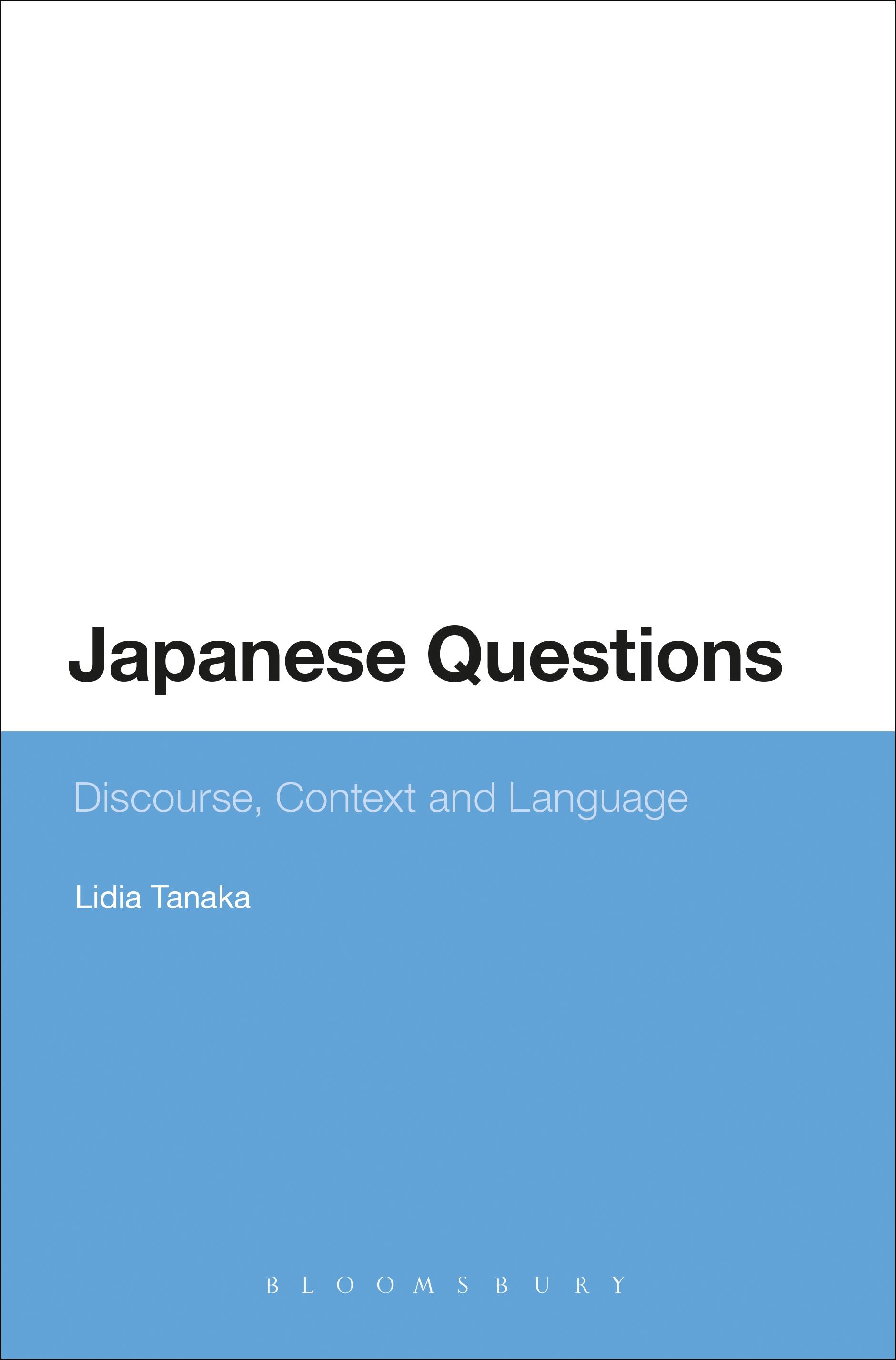
Questions and interrogatives in Japanese discourse have attracted considerable interest from grammarians, but the communicative aspect has received little attention. This book fills this gap. Through detailed analyses of formal and informal interactions, this book demonstrates that the inherent multi-functional and polysemous aspect of language can also be observed in the use of questions. What emerges is a sense of the considerable variety of question forms and also an understanding of how questions are used to perform a wide range of social actions.
The importance of context is stressed throughout the book; both in guiding the speakers' choices of question types and in helping to create the particular stance that characterizes those interactions.
The data used in this book shows that speakers prefer questions that are not canonical. When speakers do use canonical questions, these are overwhelmingly accompanied by some mollifiers. This phenomenon suggests that in Japanese communication the illocutionary force of canonical questions is too strong. To soften the interaction, speakers tend to use other types of interrogative forms such as statements with rising intonation or, at least, to leave questions grammatically unfinished.
The findings in this book contribute to the understanding of how Japanese speakers use questions in different communicative interactions and provide new evidence of the gap between prescriptive grammar and actual communication.
The importance of context is stressed throughout the book; both in guiding the speakers' choices of question types and in helping to create the particular stance that characterizes those interactions.
The data used in this book shows that speakers prefer questions that are not canonical. When speakers do use canonical questions, these are overwhelmingly accompanied by some mollifiers. This phenomenon suggests that in Japanese communication the illocutionary force of canonical questions is too strong. To soften the interaction, speakers tend to use other types of interrogative forms such as statements with rising intonation or, at least, to leave questions grammatically unfinished.
The findings in this book contribute to the understanding of how Japanese speakers use questions in different communicative interactions and provide new evidence of the gap between prescriptive grammar and actual communication.
Maksa helposti kortilla, Klarnalla, Apple Paylla tai Google Paylla. Etkö ole tyytyväinen? Sinulla on aina 14 päivän palautusoikeus. Lue lisää ehdoistamme. Jos sinulla on kysyttävää, lähetä meille sähköpostia osoitteeseen hello@memmo.org.
Memmo tekee opiskelusta helpompaa – missä päin maailmaa ikinä oletkin. Meillä yhdistät kurssikirjat ja fiksut opiskelutyökalut yhteen paikkaan: tiivistelmät, visat, podcastit ja muistikortit. Ja sitten Ted, opiskelukaverisi, joka vastaa kaikkeen, mitä ikinä mietitkin. Yli 50 000 opiskelijaa opiskelee jo täällä – rakennettu auttamaan sinua oppimaan nopeammin ja stressaamaan vähemmän.