
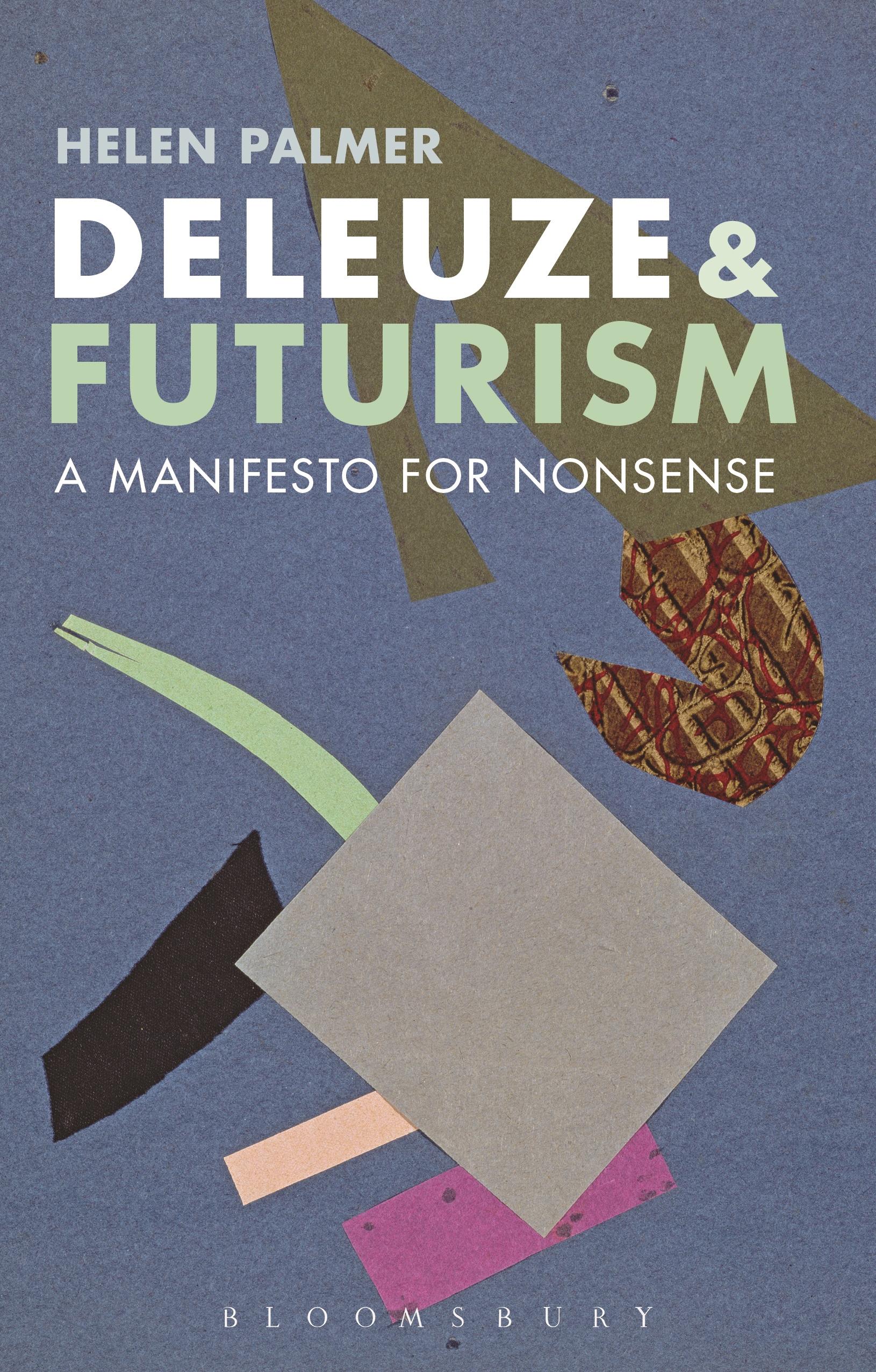
This book is an original exploration of Deleuze's dynamic philosophies of space, time and language, bringing Deleuze and futurism together for the first time. Helen Palmer investigates both the potential for creative novelty and the pitfalls of formalism within both futurist and Deleuzian linguistic practices. Through creative and rigorous analyses of Russian and Italian futurist manifestos, the 'futurist' aspects of Deleuze's language and thought are drawn out.
The genre of the futurist manifesto is a literary and linguistic model which can be applied to Deleuze's work, not only at times when he writes explicitly in the style of a manifesto but also in his earlier writings such as Difference and Repetition (1968) and The Logic of Sense (1969). The way in which avant-garde manifestos often attempt to perform and demand their aims simultaneously, and the problems which arise due to this, is an operation which can be perceived in Deleuze's writing. With a particular focus on Russian zaum, the book negotiates the philosophy behind futurist 'nonsense' language and how Deleuze propounds analogous goals in The Logic of Sense. This book critically engages with Deleuze's poetics, ultimately suggesting that multiple linguistic models operate synecdochically within his philosophy.
The genre of the futurist manifesto is a literary and linguistic model which can be applied to Deleuze's work, not only at times when he writes explicitly in the style of a manifesto but also in his earlier writings such as Difference and Repetition (1968) and The Logic of Sense (1969). The way in which avant-garde manifestos often attempt to perform and demand their aims simultaneously, and the problems which arise due to this, is an operation which can be perceived in Deleuze's writing. With a particular focus on Russian zaum, the book negotiates the philosophy behind futurist 'nonsense' language and how Deleuze propounds analogous goals in The Logic of Sense. This book critically engages with Deleuze's poetics, ultimately suggesting that multiple linguistic models operate synecdochically within his philosophy.
Maksa helposti kortilla, Klarnalla, Apple Paylla tai Google Paylla. Etkö ole tyytyväinen? Sinulla on aina 14 päivän palautusoikeus. Lue lisää ehdoistamme. Jos sinulla on kysyttävää, lähetä meille sähköpostia osoitteeseen hello@memmo.org.
Memmo tekee opiskelusta helpompaa – missä päin maailmaa ikinä oletkin. Meillä yhdistät kurssikirjat ja fiksut opiskelutyökalut yhteen paikkaan: tiivistelmät, visat, podcastit ja muistikortit. Ja sitten Ted, opiskelukaverisi, joka vastaa kaikkeen, mitä ikinä mietitkin. Yli 50 000 opiskelijaa opiskelee jo täällä – rakennettu auttamaan sinua oppimaan nopeammin ja stressaamaan vähemmän.