
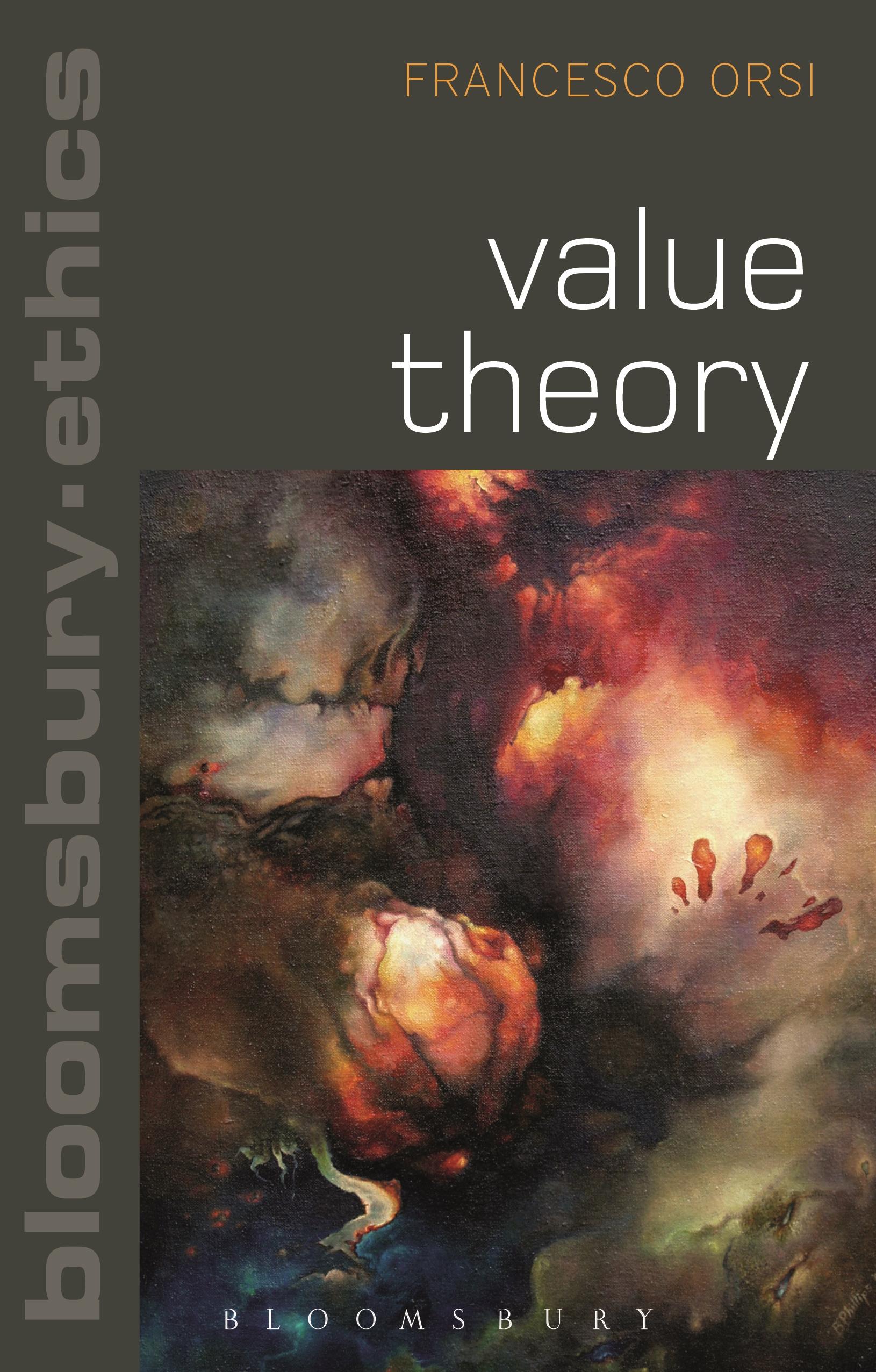
What is it for a car, a piece of art or a person to be good, bad or better than another? In this first book-length introduction to value theory, Francesco Orsi explores the nature of evaluative concepts used in everyday thinking and speech and in contemporary philosophical discourse. The various dimensions, structures and connections that value concepts express are interrogated with clarity and incision.
Orsi provides a systematic survey of both classic texts including Plato, Aristotle, Kant, Moore and Ross and an array of contemporary theorists. The reader is guided through the moral maze of value theory with everyday examples and thought experiments. Rare stamps, Napoleon's hat, evil demons, and Kant's good will are all considered in order to probe our intuitions, question our own and philosophers' assumptions about value, and, ultimately, understand better what we want to say when we talk about value.
Orsi provides a systematic survey of both classic texts including Plato, Aristotle, Kant, Moore and Ross and an array of contemporary theorists. The reader is guided through the moral maze of value theory with everyday examples and thought experiments. Rare stamps, Napoleon's hat, evil demons, and Kant's good will are all considered in order to probe our intuitions, question our own and philosophers' assumptions about value, and, ultimately, understand better what we want to say when we talk about value.
Maksa helposti kortilla, Klarnalla, Apple Paylla tai Google Paylla. Etkö ole tyytyväinen? Sinulla on aina 14 päivän palautusoikeus. Lue lisää ehdoistamme. Jos sinulla on kysyttävää, lähetä meille sähköpostia osoitteeseen hello@memmo.org.
Memmo tekee opiskelusta helpompaa – missä päin maailmaa ikinä oletkin. Meillä yhdistät kurssikirjat ja fiksut opiskelutyökalut yhteen paikkaan: tiivistelmät, visat, podcastit ja muistikortit. Ja sitten Ted, opiskelukaverisi, joka vastaa kaikkeen, mitä ikinä mietitkin. Yli 50 000 opiskelijaa opiskelee jo täällä – rakennettu auttamaan sinua oppimaan nopeammin ja stressaamaan vähemmän.