
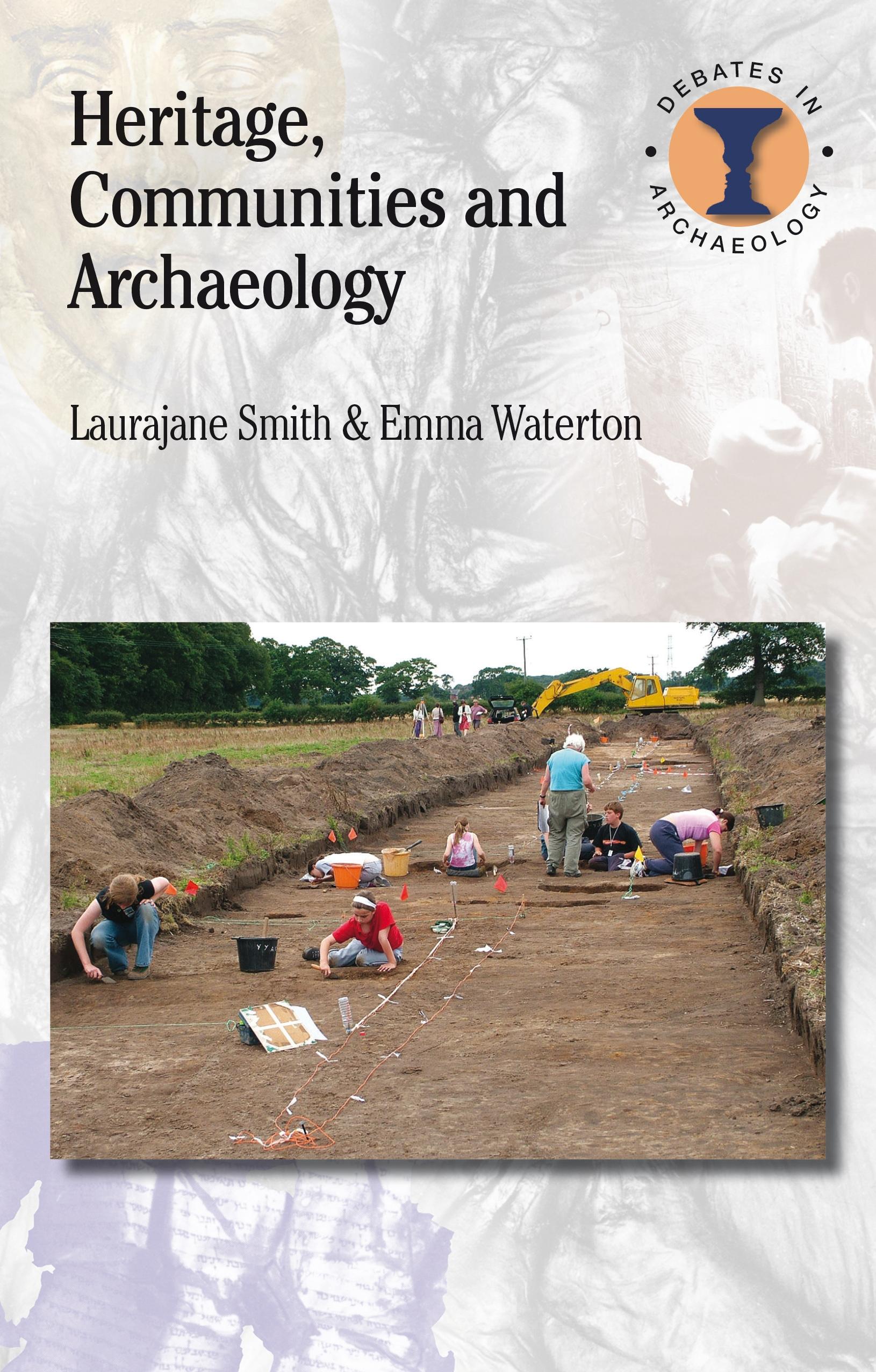
This book traces the development of 'community archaeology', identifying both its advantages and disadvantages by describing how and why tensions have arisen between archaeological and community understandings of the past. The focus of this book is the conceptual disjunction between heritage and data and the problems this poses for both archaeologists and communities in communicating and engaging with each other. In order to explain the extent of the miscommunication that can occur, the authors examine the ways in which a range of community groups, including communities of expertise, define and negotiate memory and identity. Importantly, they explore the ways in which these expressions are used, or are taken up, in struggles over cultural recognition - and ultimately, the practical, ethical, political and theoretical implications this has for archaeologists engaging in community work. Finally, they argue that there are very real advantages for archaeological research, theory and practice to be gained from engaging with communities.
Maksa helposti kortilla, Klarnalla, Apple Paylla tai Google Paylla. Etkö ole tyytyväinen? Sinulla on aina 14 päivän palautusoikeus. Lue lisää ehdoistamme. Jos sinulla on kysyttävää, lähetä meille sähköpostia osoitteeseen hello@memmo.org.
Memmo tekee opiskelusta helpompaa – missä päin maailmaa ikinä oletkin. Meillä yhdistät kurssikirjat ja fiksut opiskelutyökalut yhteen paikkaan: tiivistelmät, visat, podcastit ja muistikortit. Ja sitten Ted, opiskelukaverisi, joka vastaa kaikkeen, mitä ikinä mietitkin. Yli 50 000 opiskelijaa opiskelee jo täällä – rakennettu auttamaan sinua oppimaan nopeammin ja stressaamaan vähemmän.