
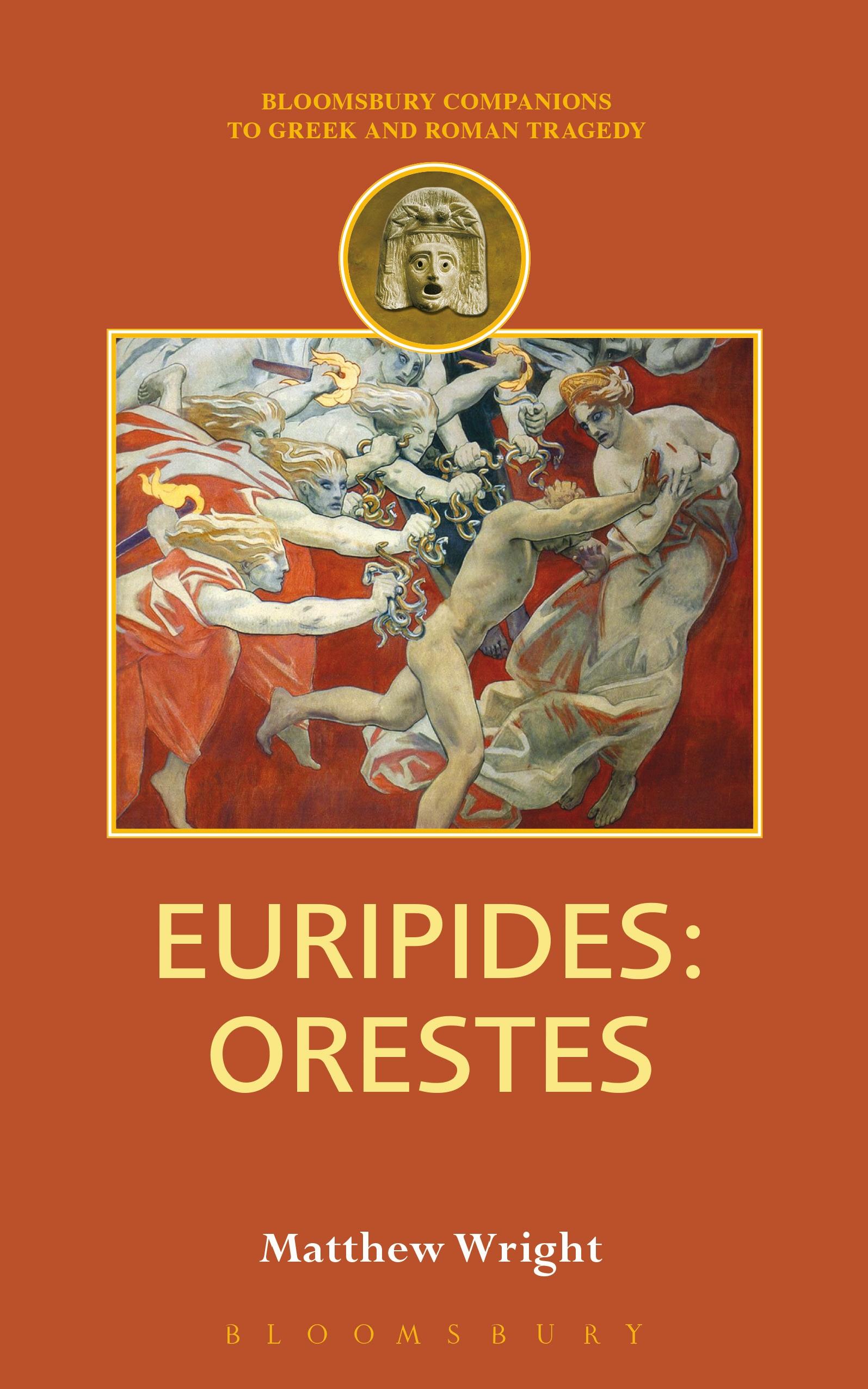
"Orestes" was one of Euripides' most popular plays in antiquity. Its plot, which centres on Orestes' murder of his mother Clytemnestra and its aftermath, is exciting as well as morally complex; its presentation of madness is unusually intense and disturbing; it deals with politics in a way which has resonances for both ancient and modern democracies; and, it has a brilliantly unexpected and ironic ending. Nevertheless, "Orestes" is not much read or performed in modern times. Why should this be so? Perhaps it is because "Orestes" does not conform to modern audiences' expectations of what a 'Greek tragedy' should be. This book makes "Orestes" accessible to modern readers and performers by explicitly acknowledging the gap between ancient and modern ideas of tragedy. If we are to appreciate what is unusual about the play, we have to think in terms of its impact on its original audience. What did they expect from a tragedy, and what would they have made of "Orestes"?
Maksa helposti kortilla, Klarnalla, Apple Paylla tai Google Paylla. Etkö ole tyytyväinen? Sinulla on aina 14 päivän palautusoikeus. Lue lisää ehdoistamme. Jos sinulla on kysyttävää, lähetä meille sähköpostia osoitteeseen hello@memmo.org.
Memmo tekee opiskelusta helpompaa – missä päin maailmaa ikinä oletkin. Meillä yhdistät kurssikirjat ja fiksut opiskelutyökalut yhteen paikkaan: tiivistelmät, visat, podcastit ja muistikortit. Ja sitten Ted, opiskelukaverisi, joka vastaa kaikkeen, mitä ikinä mietitkin. Yli 50 000 opiskelijaa opiskelee jo täällä – rakennettu auttamaan sinua oppimaan nopeammin ja stressaamaan vähemmän.