
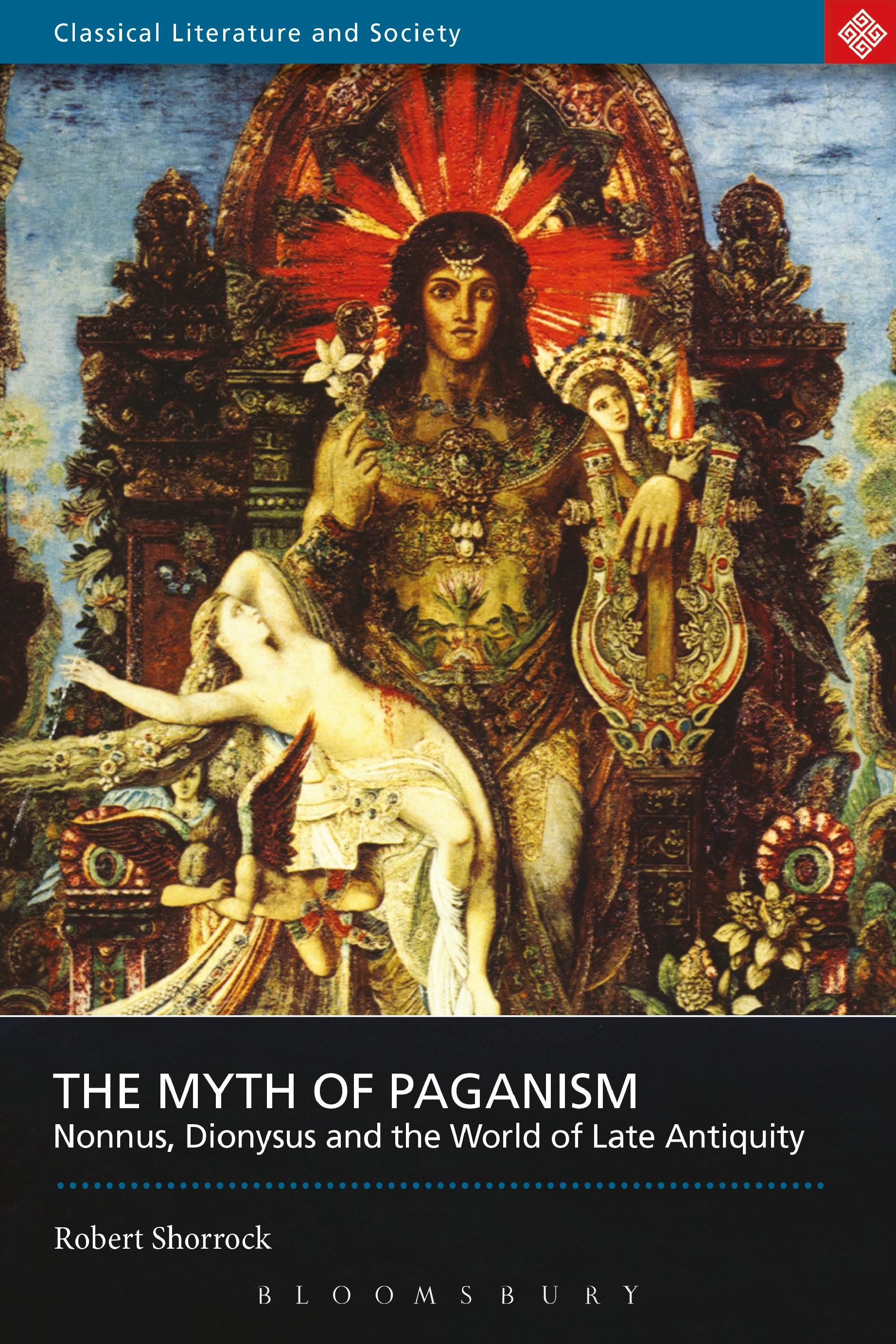
Traditional and still prevalent accounts of late antique literature draw a clear distinction between 'pagan' and 'Christian' forms of poetry: whereas Christian poetry is taken seriously in terms its contribution to culture and society at large, so-called pagan or secular poetry is largely ignored, as though it has no meaningful part to play within the late antique world. The Myth of Paganism sets out to deconstruct this view of two contrasting poetic traditions and proposes in its place a new integrated model for the understanding of late antique poetry. As the book argues, the poet of Christ and the poet of the Muses were drawn together into an active, often provocative, dialogue about the relationship between Christianity and the Classical tradition and, ultimately, about the meaning of late antiquity itself. An analysis of the poetry of Nonnus of Panopolis, author of both a 'pagan' epic about Dionysus and a Christian translation of St John's Gospel, helps to illustrate this complex dialectic between pagan and Christian voices.
Maksa helposti kortilla, Klarnalla, Apple Paylla tai Google Paylla. Etkö ole tyytyväinen? Sinulla on aina 14 päivän palautusoikeus. Lue lisää ehdoistamme. Jos sinulla on kysyttävää, lähetä meille sähköpostia osoitteeseen hello@memmo.org.
Memmo tekee opiskelusta helpompaa – missä päin maailmaa ikinä oletkin. Meillä yhdistät kurssikirjat ja fiksut opiskelutyökalut yhteen paikkaan: tiivistelmät, visat, podcastit ja muistikortit. Ja sitten Ted, opiskelukaverisi, joka vastaa kaikkeen, mitä ikinä mietitkin. Yli 50 000 opiskelijaa opiskelee jo täällä – rakennettu auttamaan sinua oppimaan nopeammin ja stressaamaan vähemmän.