
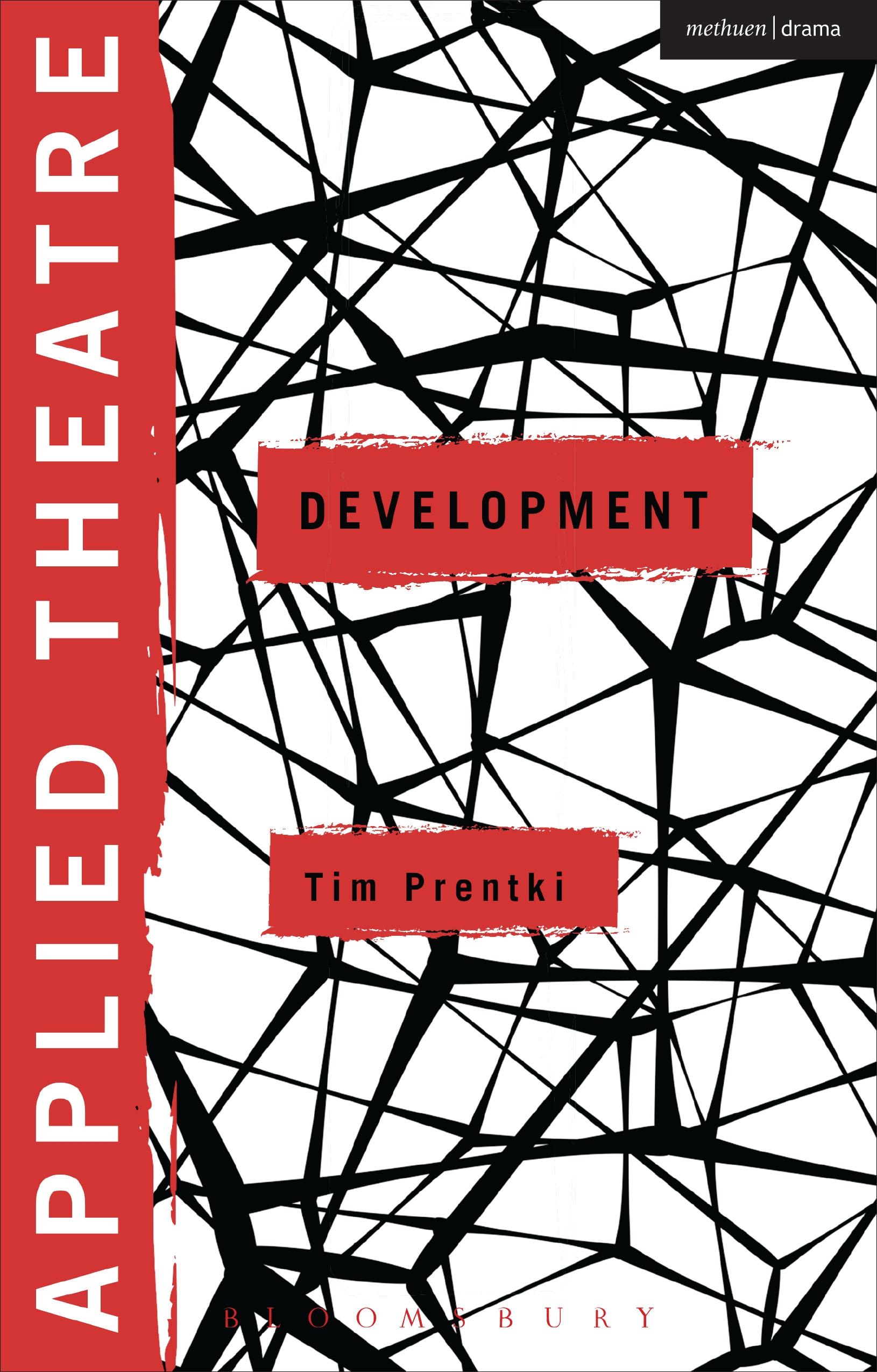
At once both guide book and provocation, this is an indispensable companion for students and practitioners of applied theatre. It addresses all key aspects: principles, origins, politics and aesthetics in a concise and accessible style designed to appeal both to those who have recently discovered this sub-discipline and to experienced practitioners and academics.
Part 1 is divided into two chapters. The first introduces the sub-discipline of Theatre for Development, covering its origins, principles and history, and providing an overview of theatre for development in Western contexts as well as in Africa, Asia, the Indian Subcontinent and Latin America. The second focuses upon theoretical and philosophical issues confronting the discipline and its relationship to contemporary politics, as well as considering its future role.
Part 2 consists of seven chapters contributed by leading figures and current practitioners from around the world and covering a diverse range of themes, methodologies and aesthetic approaches. One chapter offers a series of case studies concerned with sexual health education and HIV prevention, drawn from practitioners working in Vietnam, Papua New Guinea, Southern Africa, and China. Other chapters include studies of intercultural theatre in the Peruvian Amazon; a programme of applied theatre conducted in schools in Canterbury, New Zealand, following the 2010 earthquake; an attempt to reinvigorate a community theatre group in South Brazil; and an exchange between a Guatemalan arts collective and a Dutch youth theatre company, besides others.
Part 1 is divided into two chapters. The first introduces the sub-discipline of Theatre for Development, covering its origins, principles and history, and providing an overview of theatre for development in Western contexts as well as in Africa, Asia, the Indian Subcontinent and Latin America. The second focuses upon theoretical and philosophical issues confronting the discipline and its relationship to contemporary politics, as well as considering its future role.
Part 2 consists of seven chapters contributed by leading figures and current practitioners from around the world and covering a diverse range of themes, methodologies and aesthetic approaches. One chapter offers a series of case studies concerned with sexual health education and HIV prevention, drawn from practitioners working in Vietnam, Papua New Guinea, Southern Africa, and China. Other chapters include studies of intercultural theatre in the Peruvian Amazon; a programme of applied theatre conducted in schools in Canterbury, New Zealand, following the 2010 earthquake; an attempt to reinvigorate a community theatre group in South Brazil; and an exchange between a Guatemalan arts collective and a Dutch youth theatre company, besides others.
Maksa helposti kortilla, Klarnalla, Apple Paylla tai Google Paylla. Etkö ole tyytyväinen? Sinulla on aina 14 päivän palautusoikeus. Lue lisää ehdoistamme. Jos sinulla on kysyttävää, lähetä meille sähköpostia osoitteeseen hello@memmo.org.
Memmo tekee opiskelusta helpompaa – missä päin maailmaa ikinä oletkin. Meillä yhdistät kurssikirjat ja fiksut opiskelutyökalut yhteen paikkaan: tiivistelmät, visat, podcastit ja muistikortit. Ja sitten Ted, opiskelukaverisi, joka vastaa kaikkeen, mitä ikinä mietitkin. Yli 50 000 opiskelijaa opiskelee jo täällä – rakennettu auttamaan sinua oppimaan nopeammin ja stressaamaan vähemmän.