
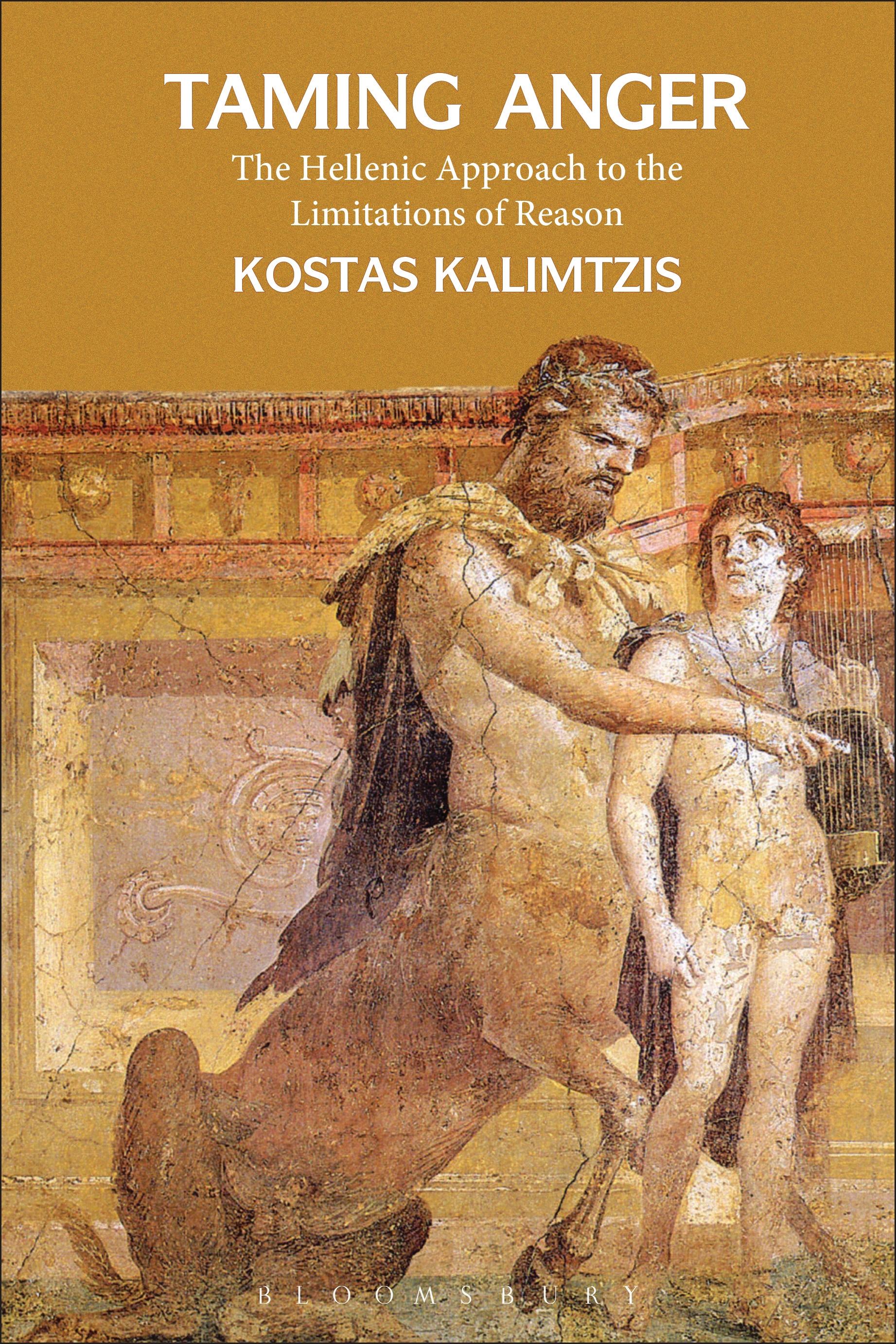
From Homer to Aristotle, understanding anger and harnessing its power was at the core of Hellenic civilization. Homer created the framework for philosophical inquiries into anger, one that persisted until it was overturned by Stoicism and Christianity. Plato saw anger as the guardian of justice and Aristotle conceived of it as bound to friendship. Yet both showed that anger can become a guardian of injustice and a defender of our psychological abnormalities. Plato claimed that reason is a tertiary factor in controlling anger and Aristotle argued that non-cognitive powers can issue commands for anger's arousal - findings that shed light as to why cognitive therapeutic approaches often prove to be ineffective. Both proposed nurturing the thumos, the receptacle of anger and the seat of self-esteem. Aristotle's view of public anger as an early warning sign of social dissolution continues to be relevant to this day. In this carefully argued study, Kostas Kalimtzis examines the theories of anger in the context of the ancient world with an eye to their implications for the modern predicament.
Maksa helposti kortilla, Klarnalla, Apple Paylla tai Google Paylla. Etkö ole tyytyväinen? Sinulla on aina 14 päivän palautusoikeus. Lue lisää ehdoistamme. Jos sinulla on kysyttävää, lähetä meille sähköpostia osoitteeseen hello@memmo.org.
Memmo tekee opiskelusta helpompaa – missä päin maailmaa ikinä oletkin. Meillä yhdistät kurssikirjat ja fiksut opiskelutyökalut yhteen paikkaan: tiivistelmät, visat, podcastit ja muistikortit. Ja sitten Ted, opiskelukaverisi, joka vastaa kaikkeen, mitä ikinä mietitkin. Yli 50 000 opiskelijaa opiskelee jo täällä – rakennettu auttamaan sinua oppimaan nopeammin ja stressaamaan vähemmän.