
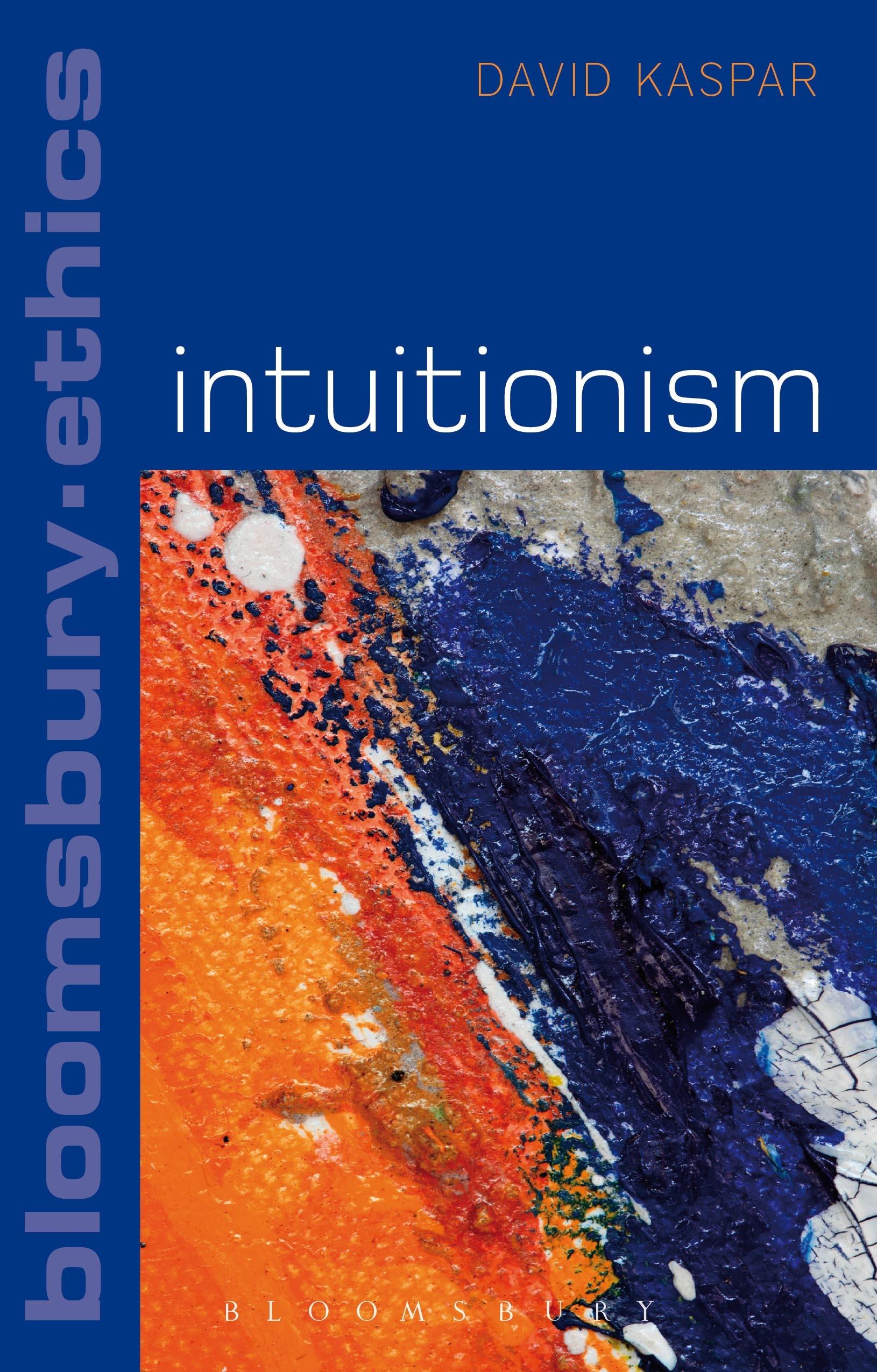
Is the way to moral truth through theory?
Or do we already know what's right and wrong?
Throughout modern history philosophers have tried to construct elaborate moral systems to determine what's right. Recently, however, some have revived the position that we have intuitive knowledge of right and wrong. In this book, David Kaspar introduces and explores the perspective known as 'Intuitionism'. Charting intuitionism's fall in the twentieth century and its recent resurgence, Kaspar looks at the intuitionist approach to the most important topics in ethics, from moral knowledge to intrinsically good moral action.
David Kaspar defends intuitionism against criticisms from competing metaethical schools, such as moral nihilism and ethical naturalism. It also takes on normative rivals, such as utilitarianism, Kantianism, and virtue ethics. By consolidating the stronger claims of both early analytic and contemporary intuitionists, Kaspar goes on to make a robust case for a rigorously intuitionist approach to explaining morality. Intuitionism also includes chapter summaries and guides to further reading throughout to help readers explore and master this important school of contemporary ethical thought. This is an ideal resource for undergraduates and postgraduates taking courses in ethics, metaethics and moral philosophy.
Or do we already know what's right and wrong?
Throughout modern history philosophers have tried to construct elaborate moral systems to determine what's right. Recently, however, some have revived the position that we have intuitive knowledge of right and wrong. In this book, David Kaspar introduces and explores the perspective known as 'Intuitionism'. Charting intuitionism's fall in the twentieth century and its recent resurgence, Kaspar looks at the intuitionist approach to the most important topics in ethics, from moral knowledge to intrinsically good moral action.
David Kaspar defends intuitionism against criticisms from competing metaethical schools, such as moral nihilism and ethical naturalism. It also takes on normative rivals, such as utilitarianism, Kantianism, and virtue ethics. By consolidating the stronger claims of both early analytic and contemporary intuitionists, Kaspar goes on to make a robust case for a rigorously intuitionist approach to explaining morality. Intuitionism also includes chapter summaries and guides to further reading throughout to help readers explore and master this important school of contemporary ethical thought. This is an ideal resource for undergraduates and postgraduates taking courses in ethics, metaethics and moral philosophy.
Maksa helposti kortilla, Klarnalla, Apple Paylla tai Google Paylla. Etkö ole tyytyväinen? Sinulla on aina 14 päivän palautusoikeus. Lue lisää ehdoistamme. Jos sinulla on kysyttävää, lähetä meille sähköpostia osoitteeseen hello@memmo.org.
Memmo tekee opiskelusta helpompaa – missä päin maailmaa ikinä oletkin. Meillä yhdistät kurssikirjat ja fiksut opiskelutyökalut yhteen paikkaan: tiivistelmät, visat, podcastit ja muistikortit. Ja sitten Ted, opiskelukaverisi, joka vastaa kaikkeen, mitä ikinä mietitkin. Yli 50 000 opiskelijaa opiskelee jo täällä – rakennettu auttamaan sinua oppimaan nopeammin ja stressaamaan vähemmän.