
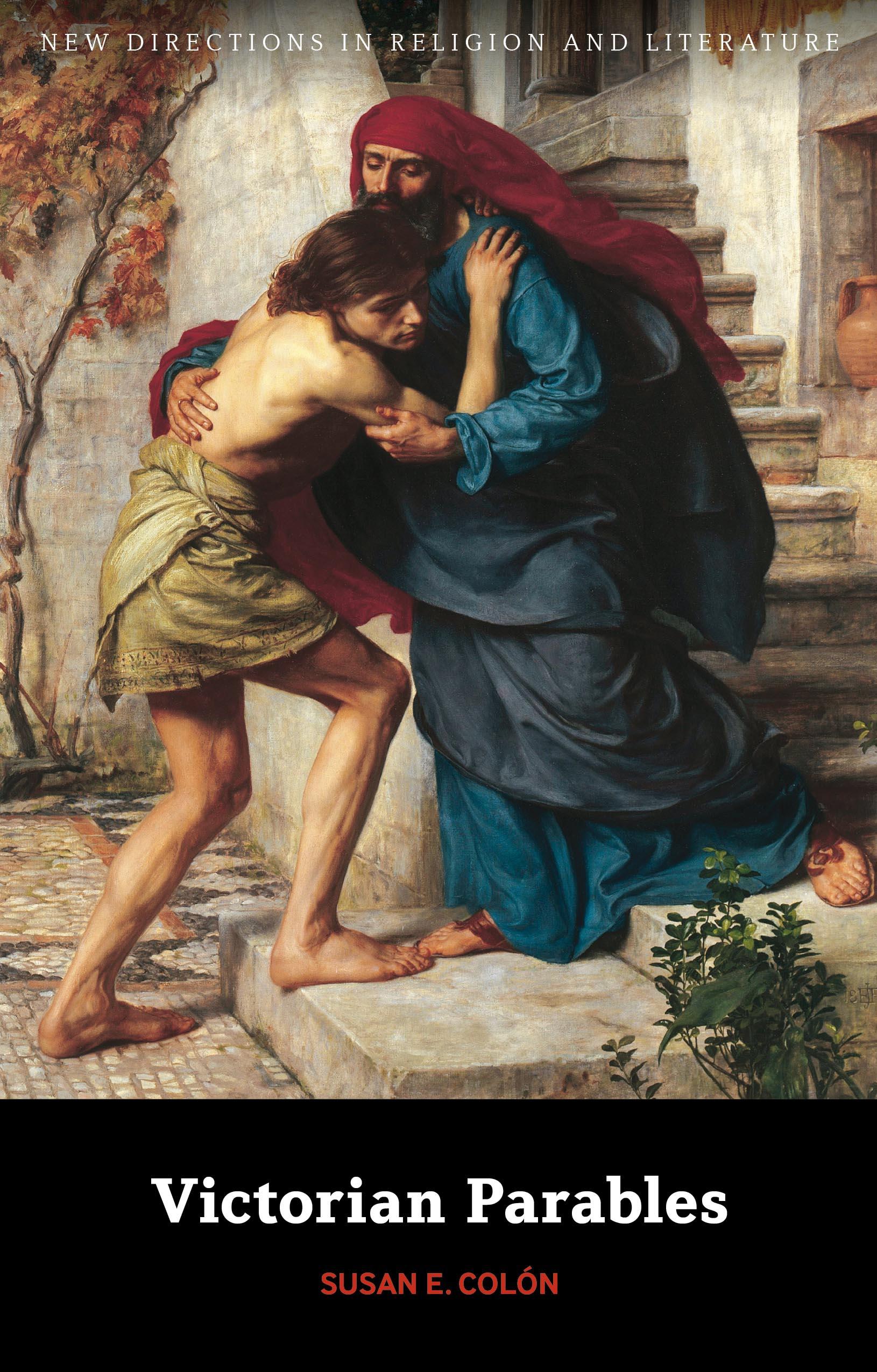
The familiar stories of the good Samaritan, the prodigal son, and Lazarus and the rich man were part of the cultural currency in the nineteenth century, and Victorian authors drew upon the figures and plots of biblical parables for a variety of authoritative, interpretive, and subversive effects. However, scholars of parables in literature have often overlooked the 19th-century novel, assuming that realism bears no relation to the subversive, iconoclastic genre of parable. In this book Susan E. Colòn shows that authors such as Charles Dickens, Margaret Oliphant, and Charlotte Yonge appreciated the power of parables to deliver an ethical charge that was as unexpected as it was disruptive to conventional moral ideas. Against the common assumption that the genres of realism and parable are polar opposites, this study explores how Victorian novels, despite their length, verisimilitude, and multi-plot complexity, can become parables in ways that imitate, interpret, and challenge their biblical sources.
Maksa helposti kortilla, Klarnalla, Apple Paylla tai Google Paylla. Etkö ole tyytyväinen? Sinulla on aina 14 päivän palautusoikeus. Lue lisää ehdoistamme. Jos sinulla on kysyttävää, lähetä meille sähköpostia osoitteeseen hello@memmo.org.
Memmo tekee opiskelusta helpompaa – missä päin maailmaa ikinä oletkin. Meillä yhdistät kurssikirjat ja fiksut opiskelutyökalut yhteen paikkaan: tiivistelmät, visat, podcastit ja muistikortit. Ja sitten Ted, opiskelukaverisi, joka vastaa kaikkeen, mitä ikinä mietitkin. Yli 50 000 opiskelijaa opiskelee jo täällä – rakennettu auttamaan sinua oppimaan nopeammin ja stressaamaan vähemmän.