
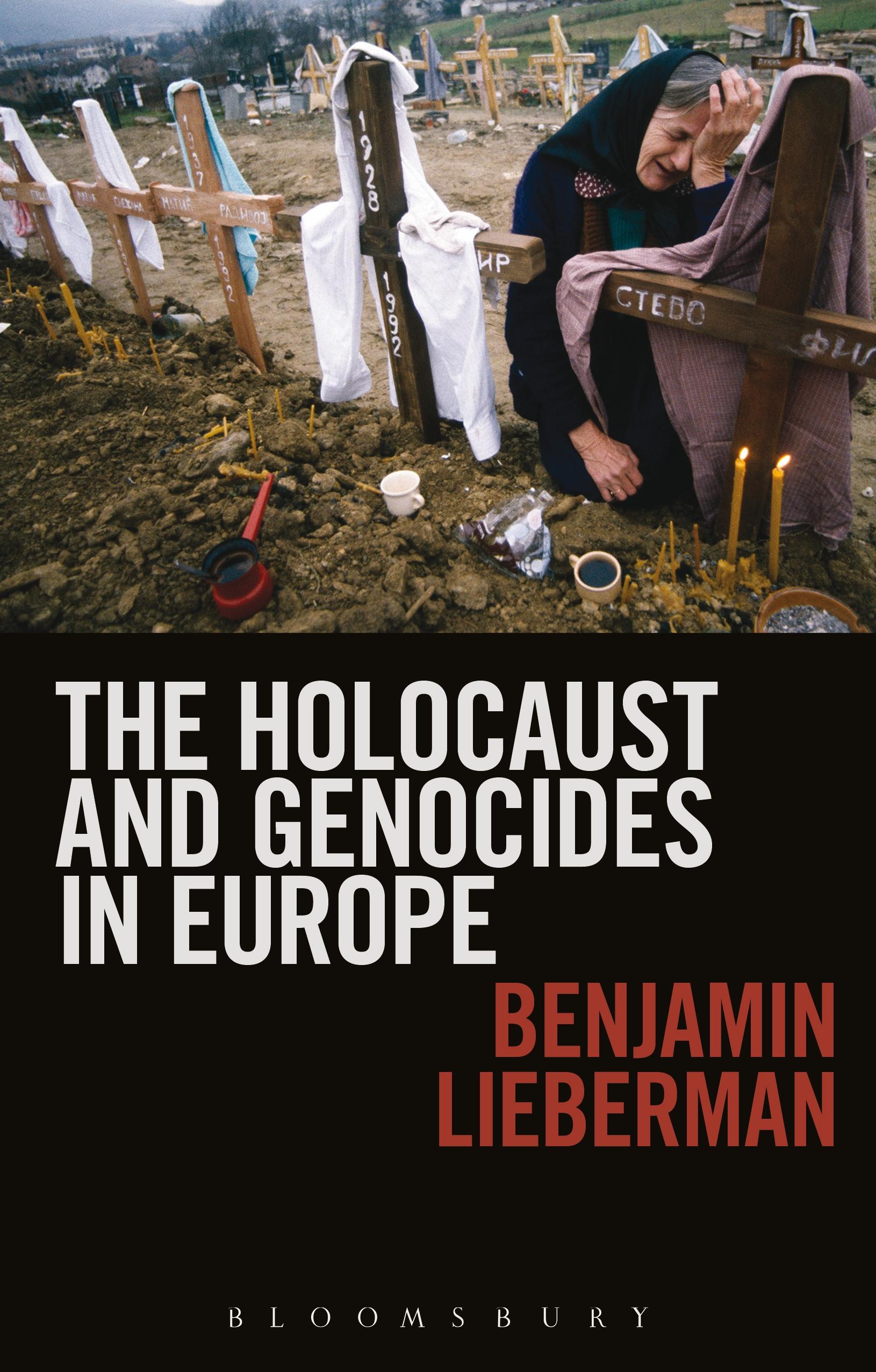
Focusing on the major cases of genocide in twentieth-century Europe, including the Armenian genocide, the Holocaust, and genocide in the former Yugoslavia, as well as mass killing in the Soviet Union, this book outlines the internal and external roots of genocide. Internal causes lie in the rise of radical nationalism and the breakdown of old empires, while external causes lie in the experience of mass violence in European colonial empires. Such roots did not make any case of genocide inevitable but did create models for mass destruction. The book enables students to assess the interplay between general causes of violence and the specific crises that accelerated moves towards radical genocidal policies. Chapters on the major cases of twentieth-century European genocide will each describe and analyse several key themes: acts of genocide; perpetrators, victims and bystanders; and genocide in particular regions. Using the voices of the human actors in genocide, often ignored or forgotten, provides arresting new insights. The conclusion frames European genocide in a global perspective, giving students an entry point to discussion of genocide in other continents and historical periods.
Maksa helposti kortilla, Klarnalla, Apple Paylla tai Google Paylla. Etkö ole tyytyväinen? Sinulla on aina 14 päivän palautusoikeus. Lue lisää ehdoistamme. Jos sinulla on kysyttävää, lähetä meille sähköpostia osoitteeseen hello@memmo.org.
Memmo tekee opiskelusta helpompaa – missä päin maailmaa ikinä oletkin. Meillä yhdistät kurssikirjat ja fiksut opiskelutyökalut yhteen paikkaan: tiivistelmät, visat, podcastit ja muistikortit. Ja sitten Ted, opiskelukaverisi, joka vastaa kaikkeen, mitä ikinä mietitkin. Yli 50 000 opiskelijaa opiskelee jo täällä – rakennettu auttamaan sinua oppimaan nopeammin ja stressaamaan vähemmän.