
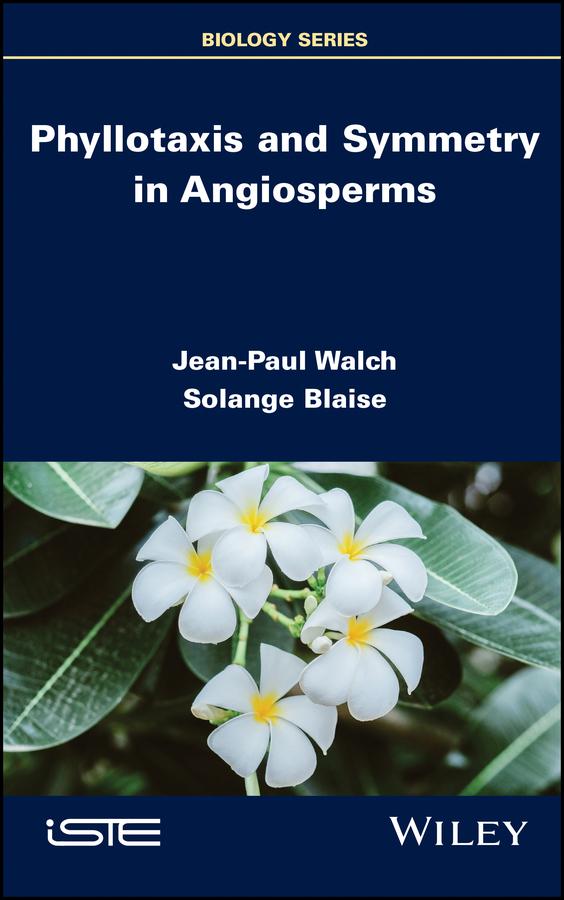
Symmetry and the causes of shifts in different types of symmetries in flowers follow specific patterns that are ruled by developmental and genetic factors.
Using a unified system of phyllotaxic equations, we have modeled the molecular mechanisms and pressure forces that act in inflorescence and floral meristems, giving flowers their organ arrangement.
In this book, we state general physical principles, whereby the symmetry of the perianth is derived from the symmetry of certain TCP gene expression. Thus, we define the interplay between the expression of CYC2-like genes and the phyllotactic mechanisms.
This new evo-devo approach is applied to major groups of angiosperms with predominantly actinomorphic flowers (in which rare zygomorphy is positional) and groups with mainly bilaterally symmetrical flowers (in which zygomorphy is constitutional). It has thus allowed us to revisit the contributions of the great floral morphologists of the 20th and early 21st centuries.
Maksa helposti kortilla, Klarnalla, Apple Paylla tai Google Paylla. Etkö ole tyytyväinen? Sinulla on aina 14 päivän palautusoikeus. Lue lisää ehdoistamme. Jos sinulla on kysyttävää, lähetä meille sähköpostia osoitteeseen hello@memmo.org.
Memmo tekee opiskelusta helpompaa – missä päin maailmaa ikinä oletkin. Meillä yhdistät kurssikirjat ja fiksut opiskelutyökalut yhteen paikkaan: tiivistelmät, visat, podcastit ja muistikortit. Ja sitten Ted, opiskelukaverisi, joka vastaa kaikkeen, mitä ikinä mietitkin. Yli 50 000 opiskelijaa opiskelee jo täällä – rakennettu auttamaan sinua oppimaan nopeammin ja stressaamaan vähemmän.