
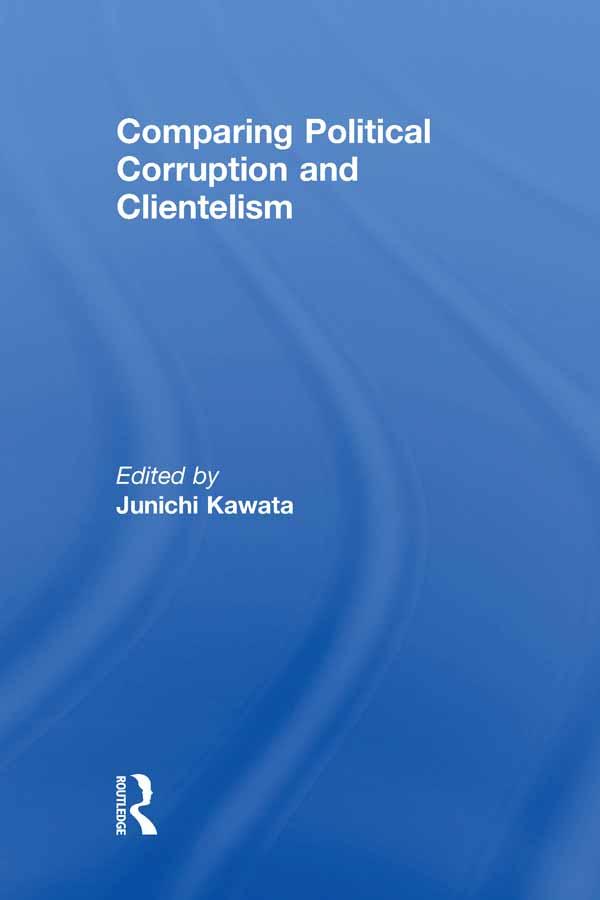
Past modernization literature has assumed that corruption and clientelism reflect a pre-modern social structure and could be referred to as a pathologic phenomenon of the political system. Very few have considered corruption and clientelism as structural products of an interwoven connection between capital accumulation, bureaucratic rationalization, interest intermediation and political participation from below. This volume analyzes key aspects of the debate such as: should corruption and clientelism be evaluated as a 'lubricant' in terms of administrative efficiency - legitimate demands from the margins of society to redress social and economic inequality or to readdress economic development? What would be the effect of strengthening policing to control political corruption? Could electoral reform or a decentralization of government power be a cure for all? These questions among others are answered in this comprehensive volume.
Maksa helposti kortilla, Klarnalla, Apple Paylla tai Google Paylla. Etkö ole tyytyväinen? Sinulla on aina 14 päivän palautusoikeus. Lue lisää ehdoistamme. Jos sinulla on kysyttävää, lähetä meille sähköpostia osoitteeseen hello@memmo.org.
Memmo tekee opiskelusta helpompaa – missä päin maailmaa ikinä oletkin. Meillä yhdistät kurssikirjat ja fiksut opiskelutyökalut yhteen paikkaan: tiivistelmät, visat, podcastit ja muistikortit. Ja sitten Ted, opiskelukaverisi, joka vastaa kaikkeen, mitä ikinä mietitkin. Yli 50 000 opiskelijaa opiskelee jo täällä – rakennettu auttamaan sinua oppimaan nopeammin ja stressaamaan vähemmän.
Saatat pitää myös näistä
Osta kirja0