
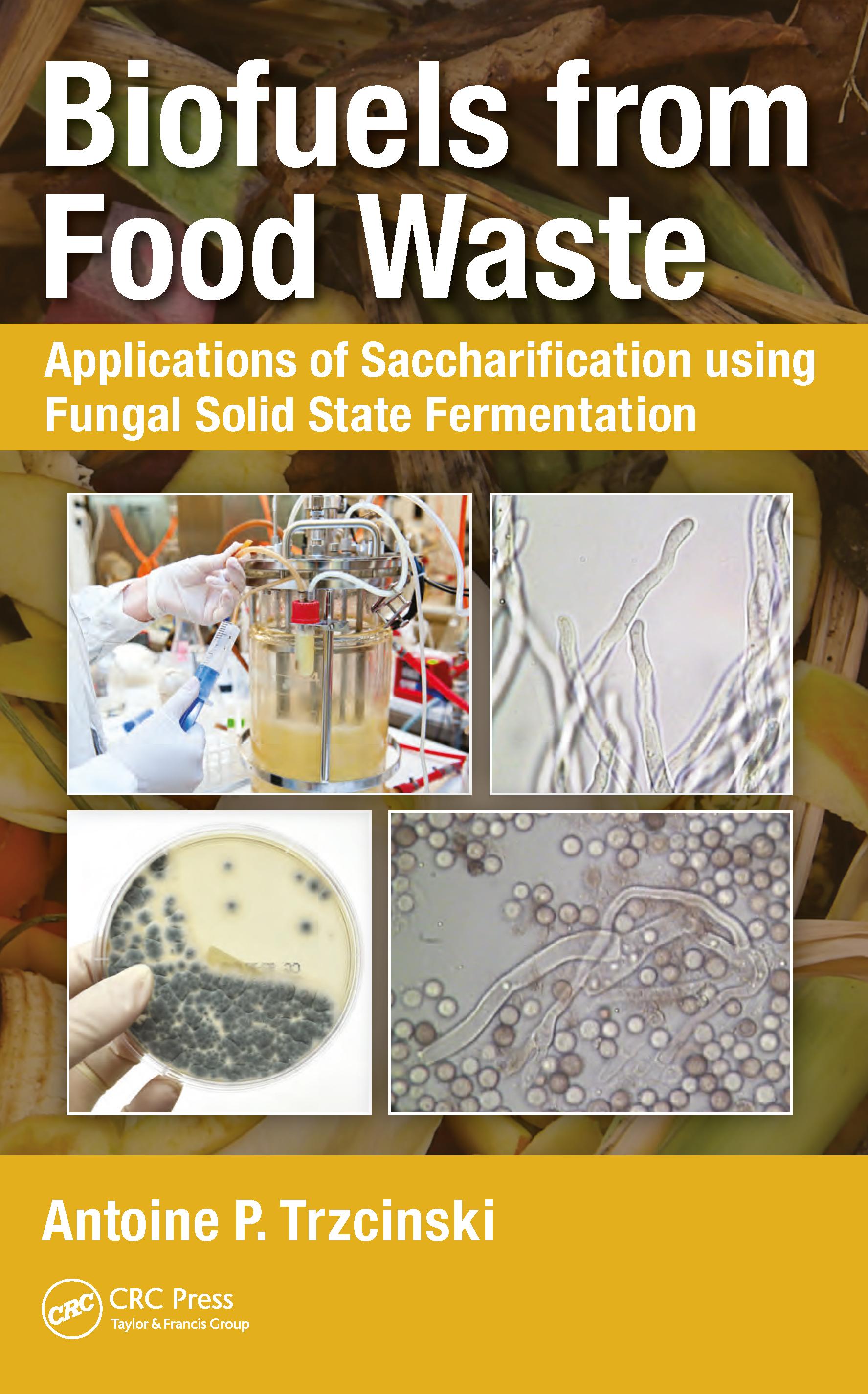
According to the UN's Food & Agricultural Organization (FAO), one third of food produced globally for human consumption (nearly 1.3 billion tons) is lost annually. Food waste has often been incinerated with other combustible municipal wastes for possible recovery of heat or other forms of energy, however, incineration is not cost-effective, and can cause air pollution. Due to its organics- and nutrient-rich nature, food waste could be viewed as a useful resource for production of high-value platform chemicals through fermentation. This book examines the bioconversion of food wastes to energy and the recent developments in ethanol, hydrogen, methane, and biodiesel production from food wastes.
Maksa helposti kortilla, Klarnalla, Apple Paylla tai Google Paylla. Etkö ole tyytyväinen? Sinulla on aina 14 päivän palautusoikeus. Lue lisää ehdoistamme. Jos sinulla on kysyttävää, lähetä meille sähköpostia osoitteeseen hello@memmo.org.
Memmo tekee opiskelusta helpompaa – missä päin maailmaa ikinä oletkin. Meillä yhdistät kurssikirjat ja fiksut opiskelutyökalut yhteen paikkaan: tiivistelmät, visat, podcastit ja muistikortit. Ja sitten Ted, opiskelukaverisi, joka vastaa kaikkeen, mitä ikinä mietitkin. Yli 50 000 opiskelijaa opiskelee jo täällä – rakennettu auttamaan sinua oppimaan nopeammin ja stressaamaan vähemmän.